
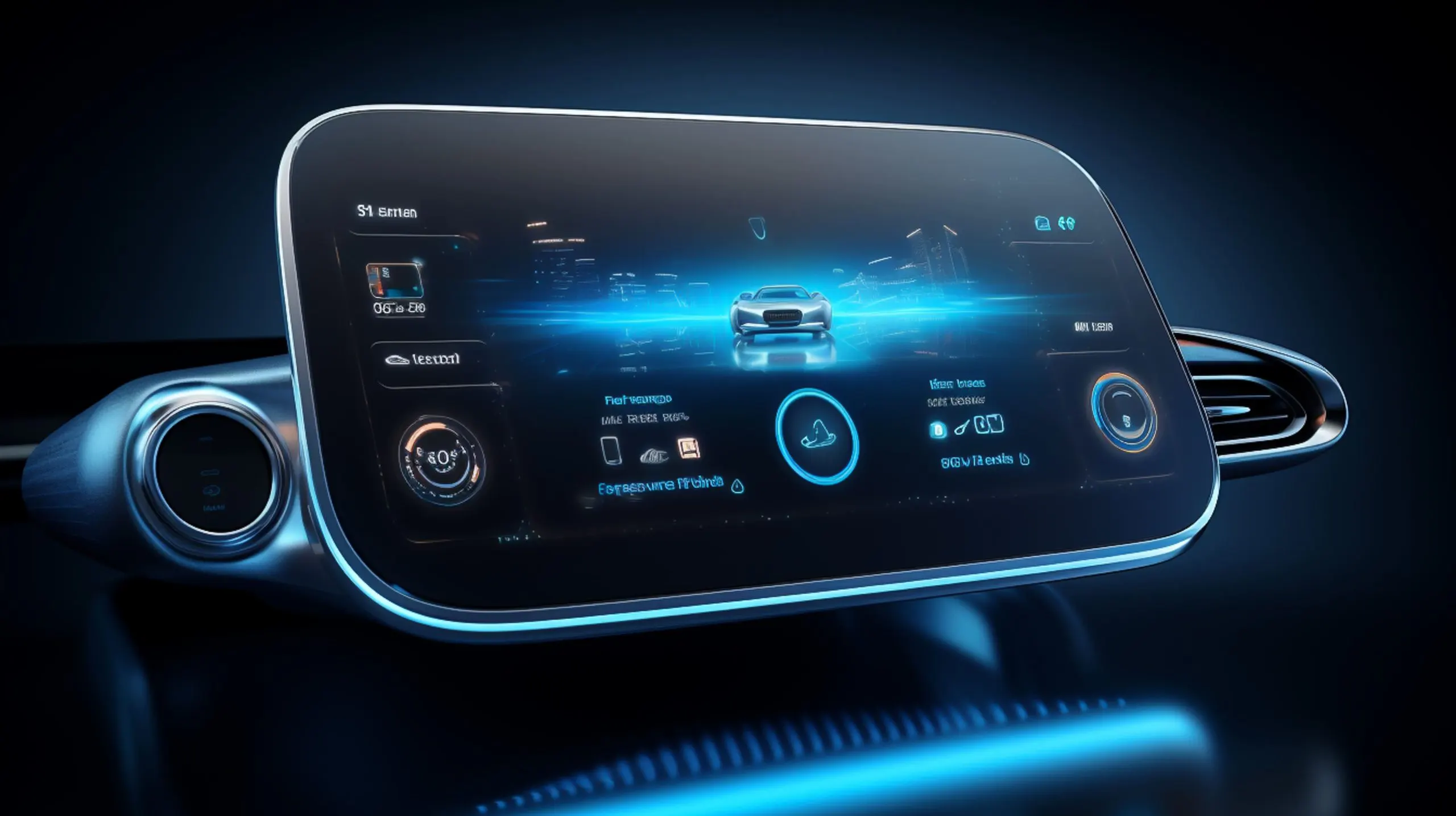
The Philippines automotive sector has gradually moved beyond basic vehicle demand and into a phase where buyers are paying closer attention to in-car technology. Features that once appeared only in luxury imports are now filtering into mid-range models, and head-up displays (HUDs) are part of that shift. These systems project information such as speed, navigation, and safety alerts directly into the driver’s field of vision, reducing the need to glance down at the dashboard. As of 2026, HUD adoption in the Philippines is still at an early stage compared to markets like Japan or South Korea. Yet the direction is fairly clear. Rising vehicle imports, heavier traffic congestion in urban centers, and consumer interest in connected driving experiences are creating room for advanced cockpit technologies. In practice, many Filipino consumers now associate digital interfaces with vehicle quality, especially in the SUV and crossover categories where competition has become intense.
What’s Driving the Head-up Displays Market in the Philippines?
Premium Vehicles Are No Longer a Niche Category
Over the last few years, more middle-income buyers in Metro Manila, Cebu, and Davao have shown willingness to spend extra on comfort and technology packages. Carmakers have noticed. Brands selling higher-end Japanese, Korean, and Chinese vehicles are using HUDs as a differentiating feature, particularly in hybrid SUVs and premium sedans. Interestingly, some consumers may never actively search for a head-up display, but once they experience one during a test drive, it often becomes part of the buying decision. That behavioral shift matters. Features tied to convenience and safety tend to spread quickly once they move beyond luxury-only branding.
Congested Roads Are Changing Driver Preferences
Traffic conditions in the Philippines are not simply inconvenient anymore; they directly affect how drivers interact with vehicles. Long hours behind the wheel increase fatigue, especially in heavily congested corridors across Metro Manila. HUD systems help reduce repeated eye movement between the road and dashboard, which can make city driving less mentally exhausting. This is one reason automakers are pairing HUD technology with driver assistance tools such as lane warnings, blind-spot alerts, and adaptive cruise control. On crowded urban roads, even small reductions in distraction have practical value. A common challenge, though, is that many buyers still view these technologies as optional rather than essential. That perception will likely change as more affordable models begin carrying them.
Electric Vehicles and Digital Cockpits Are Entering the Market
Electric vehicle adoption in the Philippines remains modest, but the category is expanding faster than many expected a few years ago. Chinese EV brands in particular are bringing vehicles equipped with large infotainment displays, AI-assisted controls, and augmented-reality navigation systems. HUDs fit naturally into this digital-heavy driving experience. Unlike traditional gasoline vehicles, EV buyers often expect a modern cabin layout with software-driven interfaces. That preference benefits HUD manufacturers. On the ground, dealerships have also started emphasizing tech-focused selling points because they appeal strongly to younger urban consumers who are already comfortable with connected devices and app-based mobility services.
Government-Led Initiatives Supporting Automotive Modernization
The Philippine government has introduced measures aimed at encouraging cleaner transportation and local automotive development. Incentives under the Electric Vehicle Industry Development Act (EVIDA) are encouraging automakers to bring more electrified models into the country. While these policies are not specifically targeted at HUD technology, they indirectly support demand for advanced vehicle electronics. Road infrastructure upgrades and smart transportation projects may also influence adoption over time. Better highways and urban mobility programs generally encourage consumers to consider newer vehicle technologies, especially those linked to safety and navigation. Still, affordability remains a major factor in the Philippine market, so adoption may unfold unevenly between premium and mass-market segments.
Market Competition and Technology Landscape
The market remains heavily influenced by international automotive suppliers including Continental AG, Denso Corporation, Visteon Corporation, and Panasonic Automotive Systems. Most HUD systems currently enter the Philippines through imported vehicles rather than domestic manufacturing channels. At the same time, the aftermarket segment has quietly started gaining attention. Some drivers are purchasing plug-and-play HUD units online as cheaper alternatives to factory-installed systems. Quality varies widely in this category, which creates both opportunity and risk for suppliers trying to build consumer trust.
High Costs Continue to Limit Wider Adoption
One major obstacle for the Philippines HUD market is cost sensitivity. For many car buyers, fuel efficiency and financing terms still matter far more than digital display features. HUD systems add expense to vehicle production, making them harder to justify in entry-level models where pricing competition is fierce. There is also the issue of import dependence. Since most advanced automotive electronics are sourced overseas, fluctuations in exchange rates and semiconductor supply can quickly affect pricing. In reality, widespread HUD adoption may depend less on consumer demand alone and more on whether manufacturers can integrate the technology without pushing vehicle prices too far beyond mainstream affordability.
Future Outlook
The Philippines head-up displays market will likely expand steadily through 2035 as connected driving features become more common across passenger vehicles. HUD technology may gradually transition from a premium add-on into a familiar safety tool, particularly in electric and hybrid models. Augmented-reality displays that overlay navigation prompts and hazard alerts onto the windshield could become more visible in the next decade, especially as Asian automakers compete aggressively on cabin technology.
Consultants at Nexdigm, in their latest publication “Philippines Head-up Displays Market Outlook to 2035,” note that manufacturers and suppliers should focus on affordable integration strategies, stronger aftermarket distribution, and partnerships with EV brands entering Southeast Asia. In a market where consumers balance technology aspirations with practical budget concerns, companies that manage both sides well are likely to stand out.
To take the next step, simply visit our Request a Consultation page and share your requirements with us.
Harsh Mittal
+91-8422857704