
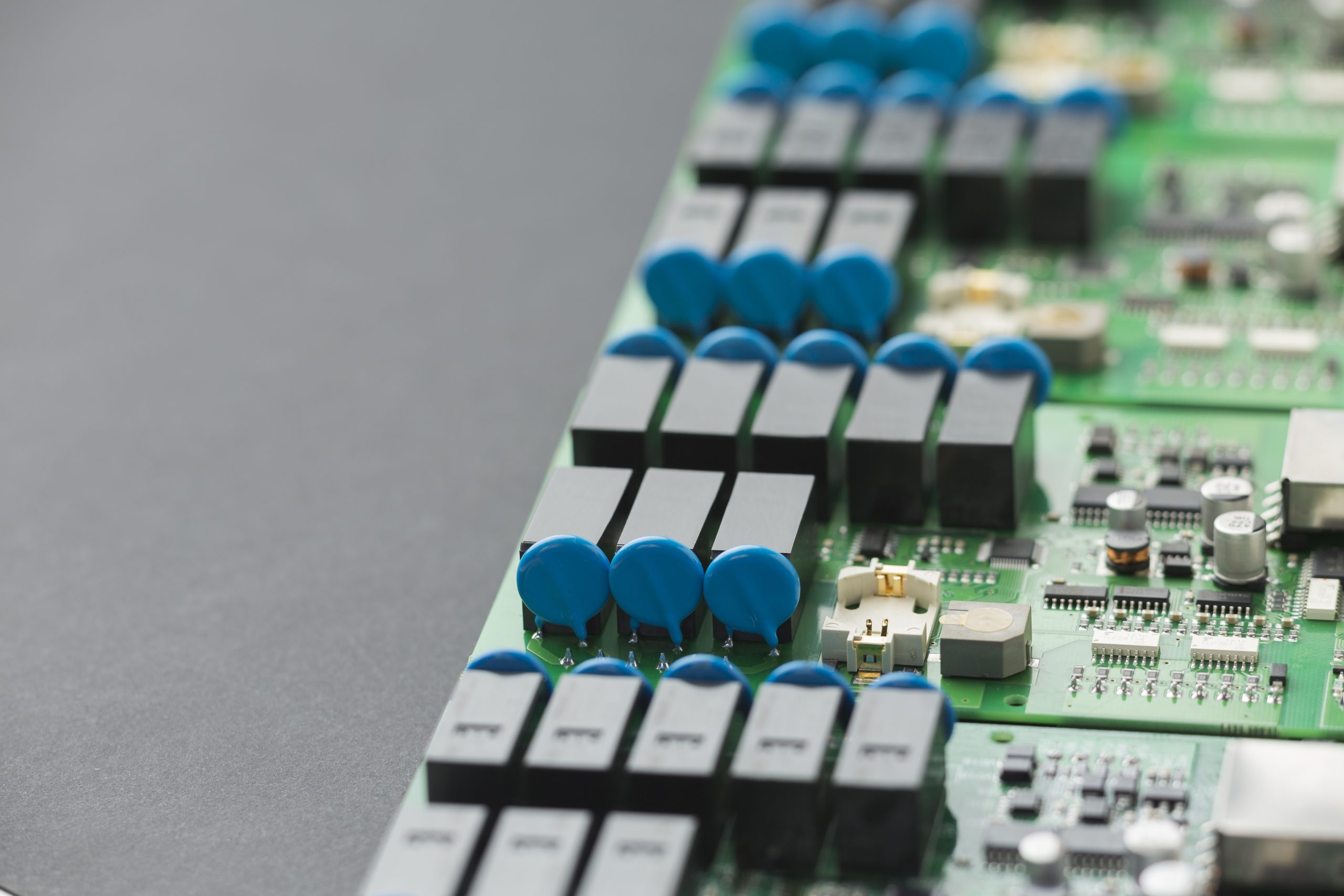
The Philippines industrial battery market is gaining traction as businesses increasingly prioritize reliable power supply, energy storage, and operational efficiency. Industrial batteries are widely used across manufacturing facilities, telecommunications, logistics, mining, and renewable energy installations. Growing electricity demand and the country’s transition towards cleaner energy are creating opportunities for advanced lead-acid and lithium-ion battery technologies. The broader Philippines Advanced Energy Storage Systems market was valued at USD 1.42 billion in 2025 and is projected to grow at a 12.8% CAGR through 2035, highlighting the country’s expanding energy storage potential.
Key Market Drivers Supporting the Growth of the Philippines Industrial Battery Market
Rising Investments in Renewable Energy and Battery Storage
The Philippines’ growing renewable energy sector is creating substantial opportunities for industrial battery suppliers. Solar and wind power projects require battery energy storage systems (BESS) to manage intermittent electricity generation, stabilize grid operations, and improve power availability. The government is targeting a renewable energy share of 35% in the power generation mix by 2030 and 50% by 2040. Additionally, an industry forecast reported by the Philippine News Agency in November 2026 projects approximately 6.5 GW of BESS installations by 2028. These developments are expected to strengthen demand for advanced battery technologies.
Expansion of Manufacturing and Industrial Infrastructure
The expansion of manufacturing facilities, industrial parks, warehouses, and logistics infrastructure is supporting demand for industrial batteries. These batteries are essential for powering forklifts, material-handling equipment, automated systems, and backup power installations. Industries such as electronics, food processing, mining, and automotive manufacturing require dependable energy solutions to maintain uninterrupted operations. As businesses modernize their facilities and adopt automation, demand for durable, efficient, and low-maintenance industrial battery systems is expected to increase.
Growing Demand for Reliable Backup Power Solutions
Power reliability remains an important consideration for Philippine businesses, particularly in areas exposed to grid interruptions and infrastructure limitations. Industrial batteries support uninterrupted power supply across telecommunications networks, hospitals, data centers, commercial facilities, and manufacturing operations. The increasing adoption of digital services and cloud infrastructure is further strengthening this demand. Lithium-ion batteries are gaining attention because of their faster charging capabilities, longer operating life, and higher energy density, making them suitable for applications requiring consistent power availability.
Government Support and Initiatives Strengthening Market Development
The Philippine government is promoting battery adoption through its renewable energy and energy storage policies. In February 2026, the Department of Energy introduced updated rules requiring new variable renewable energy projects of at least 10 MW to integrate energy storage equivalent to at least 20% of installed capacity. Additionally, the Green Energy Auction Program targets at least 25 GW of additional renewable energy capacity through 2035, creating opportunities for battery manufacturers and suppliers.
Competitive Landscape of the Philippines Industrial Battery Market
The competitive landscape includes domestic manufacturers, international battery brands, and specialized industrial battery distributors. Key participants include Philippine Batteries Incorporated (Motolite), Ramcar Group, Yuasa Battery Manufacturing Philippines, and CSB Energy Technology. Companies compete through product reliability, battery lifespan, pricing, distribution networks, and after-sales support. Growing interest in lithium-ion technology is also encouraging product diversification.
Market Challenges Affecting the Philippines Industrial Battery Market
High Initial Investment and Technology Costs
Advanced industrial battery systems, particularly lithium-ion solutions, involve significant upfront investment. Installation, battery management systems, safety equipment, and maintenance requirements can increase total ownership costs. These expenses may discourage smaller businesses from upgrading their existing battery infrastructure.
Import Dependency and Supply Chain Limitations
The domestic battery manufacturing ecosystem remains relatively limited in advanced battery cell production, creating dependence on imported technologies and components. Fluctuating raw material prices, international shipping costs, and supply disruptions can affect procurement budgets. Strengthening local manufacturing and recycling capabilities will be important for improving long-term market resilience.
Future Outlook
The Philippines industrial battery market is expected to gain momentum through 2035 as renewable energy deployment, industrial expansion, and demand for reliable backup power continue to increase. Lithium-ion batteries are likely to capture greater attention because of their efficiency, longer operating life, and suitability for modern energy storage applications. Government-backed renewable energy auctions and mandatory storage integration will further encourage investment in battery technologies. Additionally, opportunities in manufacturing, telecommunications, logistics, and off-grid electrification are expected to support long-term demand. Companies investing in local partnerships, advanced battery solutions, and recycling infrastructure will be better positioned to benefit from the market’s development.
Consultants at Nexdigm, in their latest publication “Philippines Industrial Battery Market Outlook to 2035” analyze the sector By Battery Chemistry (Lithium Iron Phosphate, Nickel Manganese Cobalt, Lithium Titanate, High Nickel NCA), By End User Application Sector (Electric Utility Infrastructure, Industrial Material Handling, Data Center Backup Power)
Nexdigm suggests that businesses should focus on expanding local battery manufacturing capabilities, strengthening supply chain partnerships, and investing in advanced lithium-ion and energy storage technologies.
To take the next step, simply visit our Request a Consultation page and share your requirements with us.
Harsh Mittal
+91-8422857704
[email protected]