
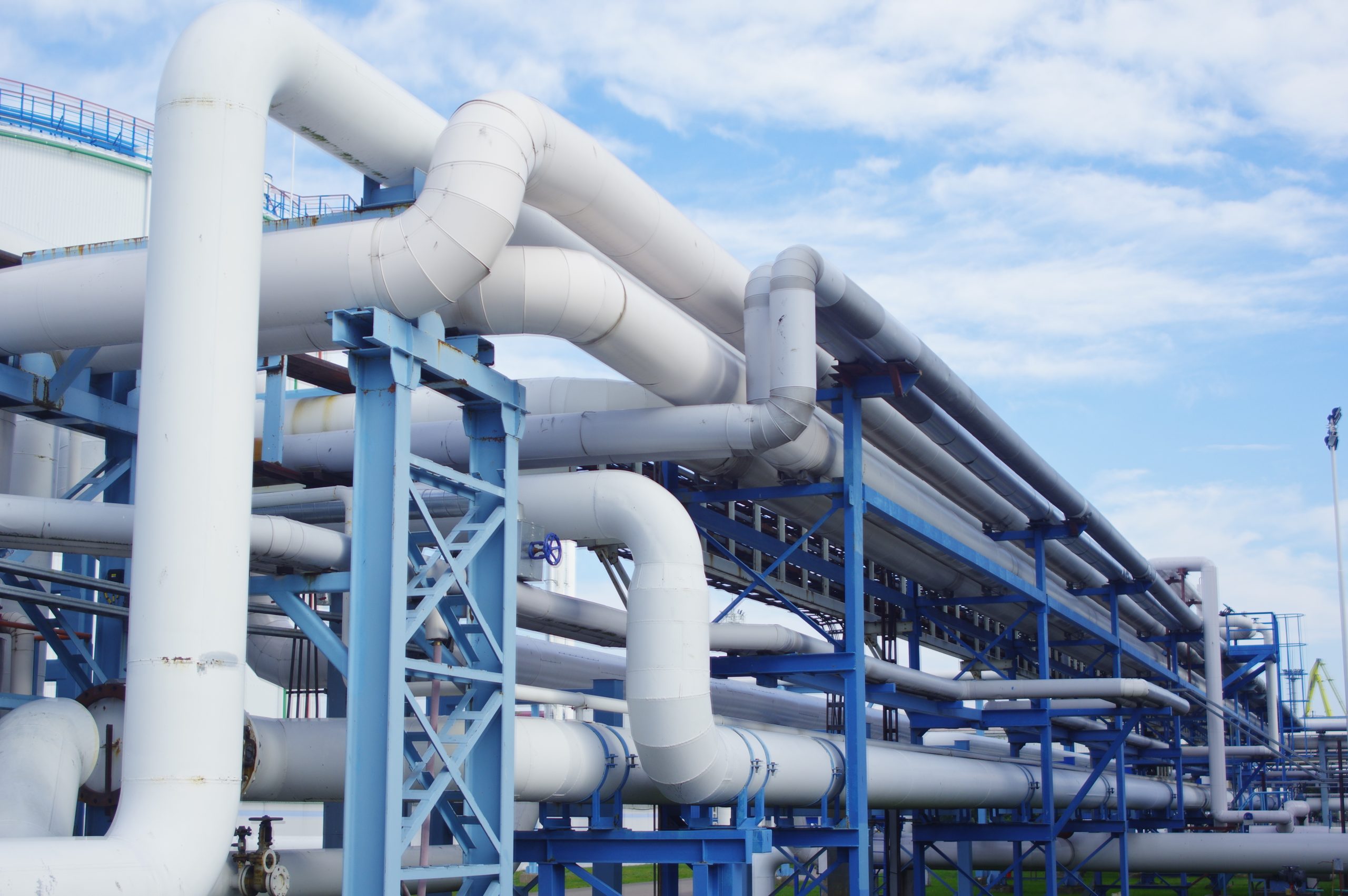
The Philippines industrial and process gas compressors market is gaining momentum as the country strengthens its manufacturing capabilities, energy infrastructure, and industrial production base. Compressors play an essential role in sectors such as oil and gas, chemicals, food processing, pharmaceuticals, power generation, and electronics manufacturing. Growing investments in industrial facilities are increasing the need for reliable gas handling, processing, and compression systems. As industries prioritize operational efficiency, energy savings, and equipment reliability, demand for advanced compressor technologies is expected to develop steadily through 2035.
Key Market Drivers Supporting the Growth of Industrial and Process Gas Compressors
Expanding Manufacturing and Industrial Infrastructure
The expansion of manufacturing activities is one of the primary factors supporting compressor demand in the Philippines. Industries such as food and beverage, electronics, chemicals, cement, and pharmaceuticals require compressed gases for production processes, pneumatic operations, material handling, and quality control. According to Philippine government energy statistics, industrial output increased by 5.6% in 2024, compared with 3.6% in 2023. Industrial energy consumption also increased by 2.7%, reaching 7.3 million tonnes of oil equivalent (MTOE). This growing industrial activity is creating opportunities for centrifugal, reciprocating, and rotary screw compressor installations.
Rising Investments in Energy and Oil and Gas Infrastructure
The country’s developing energy infrastructure is another important demand generator. LNG facilities, natural gas processing, power generation projects, and downstream industrial operations require specialized compressors for gas transportation, pressure regulation, storage, and processing. As the Philippines works to diversify its energy mix and strengthen energy security, investments in gas-related infrastructure are likely to support demand for high-capacity and technologically advanced compression equipment. These projects also create opportunities for compressor manufacturers offering customized systems, maintenance services, and long-term equipment support.
Increasing Focus on Energy Efficiency and Advanced Technologies
Industrial operators are becoming more conscious of electricity consumption, equipment downtime, and maintenance expenses. Consequently, businesses are increasingly considering energy-efficient compressors, variable-speed drive systems, oil-free technologies, and digitally monitored equipment. These solutions help reduce operating costs while improving production reliability. The adoption of predictive maintenance and automated monitoring is also gaining relevance, particularly in industries where uninterrupted gas supply is critical. Over the coming years, technology upgrades and replacement demand are expected to become important contributors to market growth.
Government Support and Industrial Development Initiatives Strengthening Industry Opportunities
Government-led industrial development and energy diversification programs are creating a supportive environment for the Philippines compressor industry. Policies such as the Corporate Recovery and Tax Incentives for Enterprises (CREATE) framework and its subsequent reforms aim to encourage investment in manufacturing and other priority industries. Meanwhile, national energy planning initiatives support infrastructure development and diversification of energy sources. These measures can indirectly stimulate compressor demand by encouraging new industrial facilities, energy projects, and modernization of existing production infrastructure.
Competitive Landscape Reflecting Global Technology Providers and Local Service Networks
The Philippines industrial and process gas compressors market features international equipment manufacturers, regional suppliers, and local industrial distributors. Companies such as Atlas Copco, Ingersoll Rand, Siemens Energy, Baker Hughes, and Hitachi Industrial Equipment Systems are relevant global participants across different compressor categories and applications. Competition is influenced by equipment efficiency, product reliability, customization capabilities, spare-parts availability, and after-sales support. Local distributors and service providers also play an important role by offering installation, maintenance, repairs, and technical assistance to industrial customers.
Market Challenges Affecting Industrial and Process Gas Compressor Adoption
High Initial Investment and Operating Costs
Advanced industrial compressors, particularly large centrifugal and specialized process gas systems, require substantial capital investment. Installation, maintenance, energy consumption, and replacement of critical components can increase the overall cost of ownership. Smaller industrial operators may therefore postpone equipment upgrades or continue using older systems.
Dependence on Imported Equipment and Technical Expertise
The market’s reliance on international compressor manufacturers and imported components can expose buyers to currency fluctuations, shipping expenses, and longer equipment delivery timelines. Limited access to specialized technical expertise in certain locations can also complicate servicing and maintenance. These factors make local service coverage and spare-parts availability important considerations for purchasing decisions.
Future Outlook
The Philippines industrial and process gas compressors market is expected to witness steady development through 2035, supported by manufacturing expansion, energy infrastructure investments, and increasing industrial automation. Demand for energy-efficient centrifugal, reciprocating, rotary screw, and oil-free compressors is likely to strengthen as businesses modernize their operations. The aftermarket segment, including maintenance contracts, replacement components, and equipment upgrades, should also present attractive opportunities. Suppliers combining advanced technology with reliable local service capabilities will be well positioned to benefit. Overall, the market’s long-term potential will depend on industrial investment, energy project execution, and the pace of technological adoption.
Consultants at Nexdigm, in their latest publication “Philippines Industrial and Process Gas Compressors Market Outlook to 2035,” analyze the sector by Compressor Technology (Positive Displacement Compressors, Dynamic Compressors, Process-Specific Systems, Oil and Gas Field Equipment), By End-User Industry (Manufacturing and Processing, Semiconductor and Electronics, Oil, Gas and Petrochemicals), and By Operating Pressure Rating (Low Pressure, Medium Pressure, High Pressure).
Nexdigm suggests that businesses should focus on adopting energy-efficient compressor technologies, strengthening local service and maintenance capabilities, and building strategic partnerships with global equipment manufacturers. Investing in digital monitoring, predictive maintenance, and customized compression solutions can help businesses improve operational efficiency and capitalize on emerging industrial opportunities in the Philippines.
To take the next step, simply visit our Request a Consultation page and share your requirements with us.
Harsh Mittal
+91-8422857704