
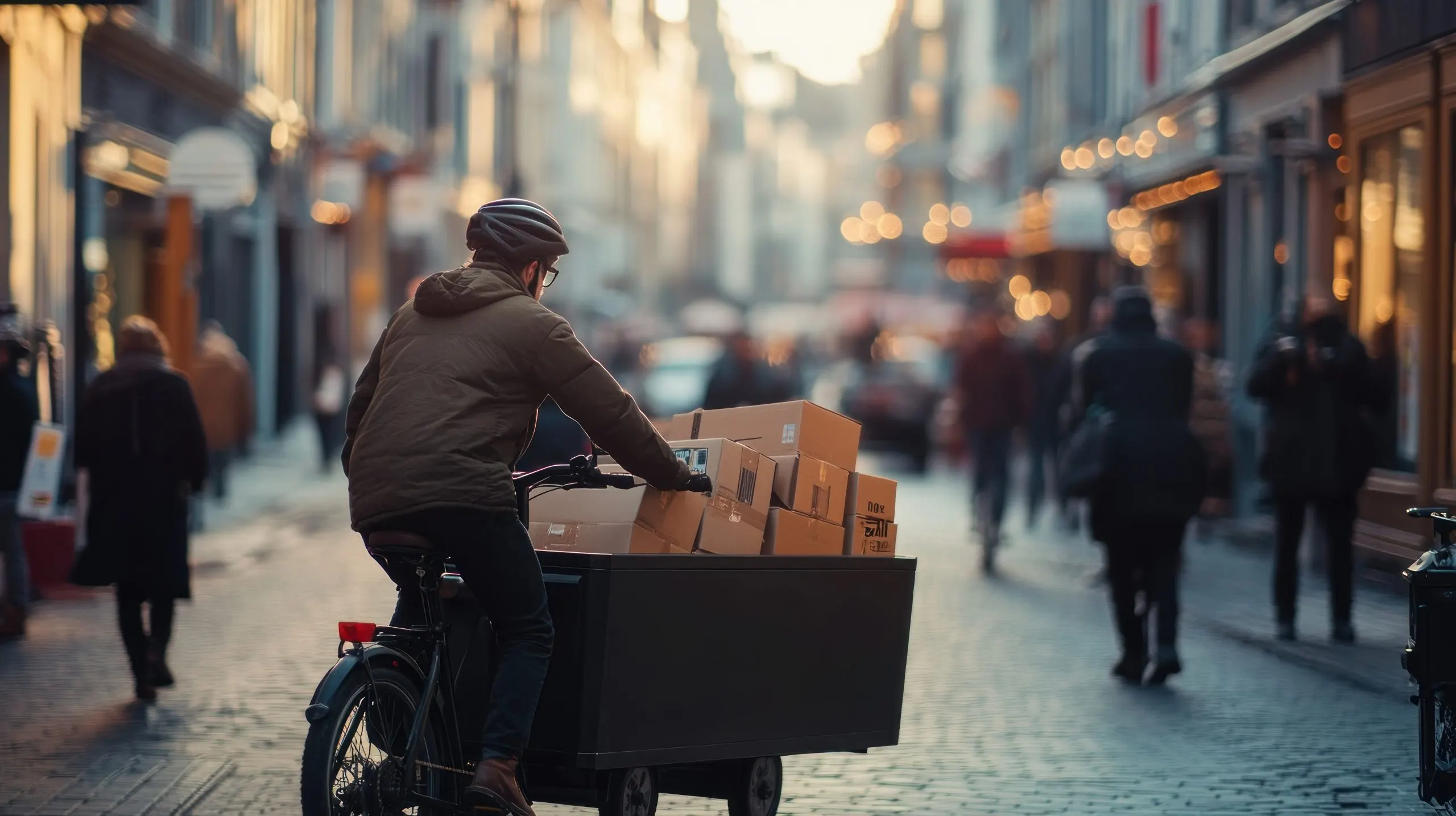
The Philippines last‑mile delivery market is expanding rapidly as e‑commerce, on‑demand services, and urban consumption patterns evolve. Last‑mile delivery the final step in transporting goods from distribution hubs to end customers is critical for customer satisfaction and operational efficiency. With the Philippines’ e‑commerce market projected to reach heights, the demand for quick and reliable delivery services is increasing sharply. Rising smartphone penetration, expanding digital payments, and consumer preference for faster deliveries are driving innovations in logistics. As urbanization continues and delivery expectations rise, the last‑mile segment will remain central to the country’s logistics ecosystem.
Market Growth Drivers of Philippines Last Mile Delivery Sector
E‑Commerce Expansion and Consumer Expectations
The e‑commerce boom in the Philippines is a primary driver of the last‑mile delivery market. With online retail sales surging, there is heightened demand for efficient and reliable delivery services. Consumers expect fast delivery windows, real‑time tracking, and flexible delivery options, putting pressure on logistics providers to innovate and scale. Urban centres such as Metro Manila, Cebu, and Davao are experiencing especially strong growth, leading to higher delivery frequency and demand for diversified delivery methods. Third‑party logistics (3PL) companies are expanding their last‑mile services to handle significant parcel volumes, particularly during peak shopping seasons.
Technological Adoption in Logistics
Technological advancements are reshaping last‑mile operations in the Philippines. Delivery management platforms, route optimization software, and real‑time tracking systems are improving operational efficiency and customer experience. The increasing use of mobile apps and digital wallets facilitates smoother order placement and payment processes, which enhances delivery reliability. Some providers are experimenting with automation and predictive analytics to reduce delivery times and costs. These technologies help logistics firms manage surges in demand while lowering errors and improving delivery success rates.
Urban Mobility and Infrastructure Development
The growth of urban centres and improvements in transport infrastructure are enabling faster and more cost‑effective last‑mile delivery. Road upgrades, new logistics hubs, and expanded freight facilities are reducing travel times and increasing delivery capacities. However, dense traffic remains a challenge in major cities, leading providers to adopt flexible delivery strategies, such as crowd‑sourced riders and micro‑fulfillment centers. Collaboration with local governments to improve delivery corridors is also helping enhance movement efficiency, particularly in peri‑urban areas.
Philippine Government’s Strategic Initiative to boost Last Mile Delivery Market
The Philippine government is supporting logistics development through infrastructure investment and regulatory reforms. Digitalization initiatives aim to streamline transport permits and reduce bureaucratic delays affecting logistics operations. Policies promoting e‑commerce adoption and fintech integration also indirectly benefit the last‑mile delivery ecosystem. These combined efforts help lower operational inefficiencies and support broader supply chain competitiveness across the country.
Competitive Insights of Philippines Last Mile Delivery Market
The Philippines last‑mile delivery landscape includes a mix of local and international players. Established logistics companies such as LBC Express, J&T Express, and DHL eCommerce dominate parcel deliveries, while digital‑native delivery platforms focus on app‑based services. Emerging startups are differentiating through specialized services like same‑day delivery, cold chain options, and delivery for high‑value goods. Collaborations between e‑commerce marketplaces and logistics providers are common, enabling integrated end‑to‑end delivery solutions. Competitive pressure is driving investments in technology, service quality, and network expansion.
Barriers faced by Philippines Last Mile Delivery Market
Traffic Congestion and Urban Delivery Barriers
Heavy traffic in major urban areas remains a significant challenge for last‑mile delivery efficiency. Congestion leads to longer delivery times, higher fuel costs, and increased carbon emissions. Logistics providers must deploy more drivers and vehicles to maintain delivery performance, which raises operating expenses. Solutions such as micro‑fulfillment hubs and alternative delivery modes are being explored but require investment.
Cost Pressures and Workforce Constraints
Maintaining profitability in last‑mile services is difficult due to rising fuel costs, driver shortages, and pricing competition. Consumers expect low or no delivery fees, but operational costs remain high. Attracting and retaining delivery personnel is also challenging in a competitive labor market. Providers must innovate in workforce management, automation, and cost‑sharing models to balance service quality with economic sustainability.
Future Outlook
As we look ahead, the Philippines last‑mile delivery market is expected to grow substantially as e‑commerce continues its upward trajectory and consumer expectations evolve. With advancements in technology such as route optimization, real‑time tracking, and automated delivery tools, logistics providers will be better equipped to meet demand efficiently and sustainably. Investments in infrastructure and digital integration will further enhance delivery performance and expand reach across urban and rural areas. The market’s projected expansion reflects not just delivery volume but also improvements in service quality, customer experience, and operational resilience. For businesses that can adapt to innovation and shifting consumer behaviour, the future of last‑mile delivery in the Philippines holds significant opportunities for growth and competitive advantage.
Consultants at Nexdigm, in their latest publication Philippines Last Mile Delivery Market Outlook to 2035, analyze the sector by System Type (Same day Delivery System, Next Day Delivery System, Scheduled Delivery System, Crowdsourced System, Autonomous Delivery System), by Fitment Type (In house Delivery Fleet, Hybrid Delivery Networks, Crowdsourced Rider Networks).
Nexdigm suggests that businesses should form strategic partnerships with e-commerce platforms, local governments, and logistics providers to ensure seamless integration of services. As traffic congestion and workforce constraints remain challenges, businesses should explore alternatives like micro-fulfillment centers and crowdsourced delivery models to stay competitive in the evolving market.
To take the next step, simply visit our Request a Consultation page and share your requirements with us.
Harsh Mittal
+91-8422857704