
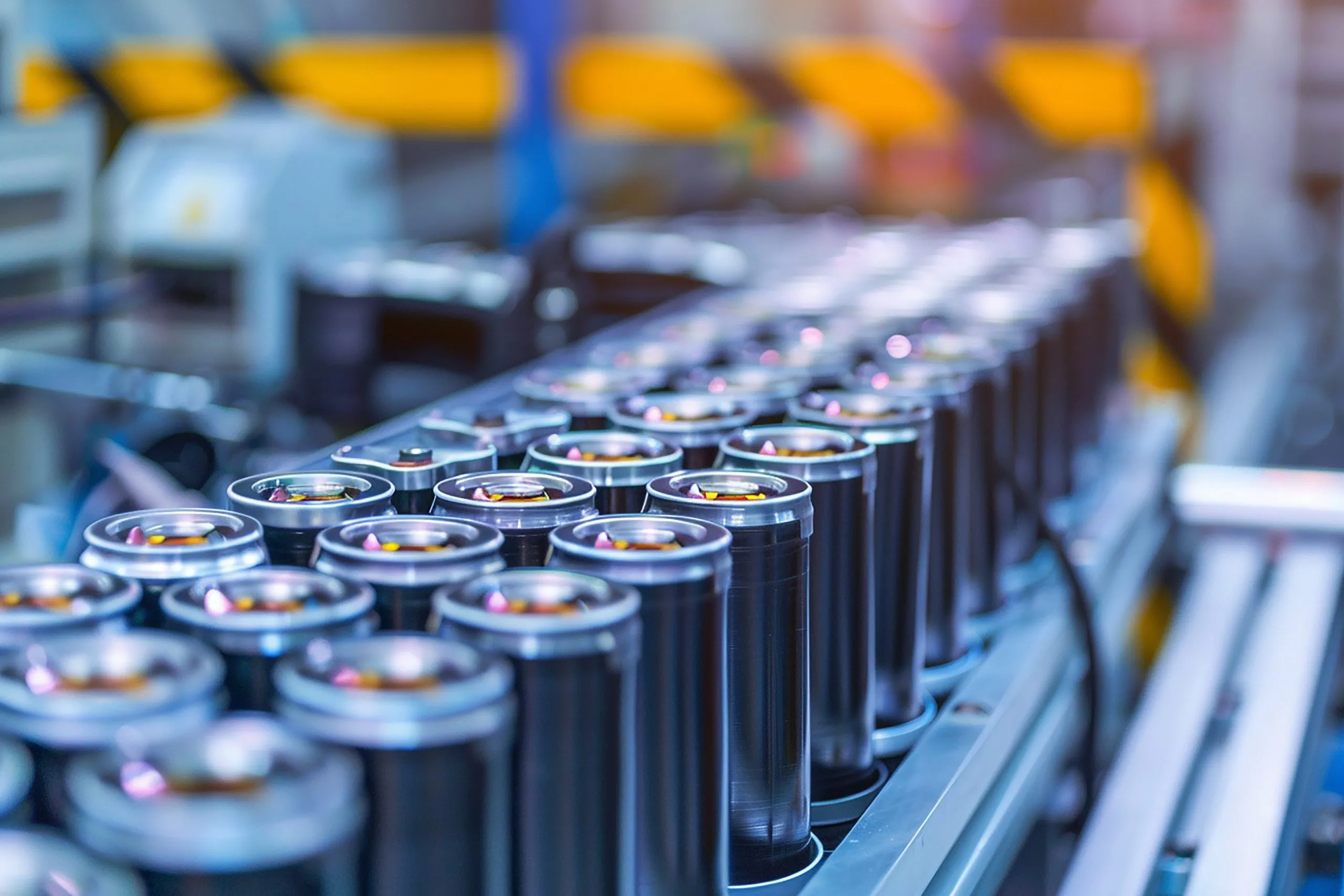
The Philippines lithium-ion batteries market is emerging as a cornerstone of the country’s shift toward cleaner transportation and renewable energy. Electric vehicle (EV) sales have surged from just 214 units to nearly 18,690 units in recent years, supported by government incentives and growing environmental awareness. Lithium-ion batteries power not only EVs but also grid storage, consumer electronics, and portable devices. The market is projected to grow from USD 1.2 billion to almost USD 3 billion in the upcoming years, at a CAGR of 10.7 %. With local production capacity expanding and technology evolving rapidly, lithium-ion batteries are set to play a pivotal role in sustainable mobility and energy solutions nationwide. This market growth also aligns with broader national goals for reducing carbon emissions and increasing energy security.
Key Drivers of the Philippines Battery Market Growth
Rapid EV Adoption Across the Country
Electric vehicle registrations have increased dramatically, fueled by incentives and consumer demand for eco-friendly mobility. Lithium-ion battery demand rises alongside EV sales, as automakers require high-capacity, reliable packs. Improvements in battery range, lifespan, and cost make EVs more accessible to individual consumers and commercial fleet operators. As adoption spreads beyond urban centers into provincial areas, battery production and distribution infrastructure are being strengthened to meet growing demand.
Expanding Use in Renewable Energy and Storage
Lithium-ion batteries are increasingly used in solar, wind, and hybrid energy projects to stabilize electricity supply. The Philippines aims for a 35 % renewable energy share in the coming years, boosting the need for large-scale energy storage systems. These batteries help integrate intermittent renewable sources into the grid, supporting energy efficiency and reliability. Growing investments in microgrids and distributed energy storage also contribute to rising battery demand, particularly in off-grid and remote areas.
Consumer Electronics and Portable Device Growth
Smartphones, laptops, wearables, and other portable devices continue to drive lithium-ion battery consumption. Users demand longer battery life, faster charging, and enhanced durability, prompting manufacturers to adopt advanced chemistries. This ongoing demand supports a steady revenue stream and encourages innovation in smaller-format, high-performance batteries. The proliferation of connected devices and IoT applications further expands the market potential.
Government Support Accelerating Battery Adoption in the Philippines
Government policies are central to promoting EVs and renewable energy storage. The Electric Vehicle Industry Development Act (EVIDA) provides tax breaks, zero import duties, and incentives for EVs and battery components. Initiatives such as the PHP 60 billion EV Incentive Strategy encourage local assembly and manufacturing. Expansion of charging infrastructure and public transport electrification also increases lithium-ion battery demand. These measures help reduce costs for consumers and foster industry investment, creating a favorable environment for local and global battery suppliers. Policy stability boosts investor confidence and long-term market planning.
Competitive Landscape Shaping the Battery Market of Philippines
The market is a mix of global battery manufacturers, regional suppliers, and local assemblers targeting EVs, grid storage, and consumer electronics. International brands leverage technology, R&D, and global supply networks, while regional players compete on cost, service, and responsiveness. Strategic alliances with automakers and energy companies enhance market positioning. Key differentiators include energy density, durability, performance, and compatibility with multiple applications. Companies investing in recycling, battery management systems, and after-sales support gain a competitive edge. Local partnerships and localized production are becoming increasingly important to meet rising demand efficiently.
Market Challenges faced in the Philippines Battery Industry
Limited Charging and Grid Infrastructure
While EV adoption grows, the charging network outside urban centers remains limited, creating “range anxiety” for potential buyers. Expansion of charging points nationwide is crucial to support fleet operators, private users, and rural adoption. Insufficient infrastructure could slow EV adoption and battery market growth if not addressed through coordinated government and private efforts.
Raw Material Costs and Supply Chain Risks
Lithium-ion battery production depends heavily on global supply chains for lithium, cobalt, nickel, and other materials. Price volatility and import dependencies increase manufacturing costs. Developing domestic sourcing, recycling initiatives, and supply chain diversification are essential to ensure stable production and competitive pricing. Companies that can secure raw materials and manage logistics efficiently will maintain a strong market position.
Future Outlook
As we move ahead, the Philippines lithium-ion batteries market is expected to continue rapid growth, driven by EV adoption, renewable energy projects, and expanding consumer electronics demand. Government incentives, local manufacturing, and technological innovations will strengthen market foundations. Longer-life batteries, faster charging, and second-life applications for grid storage will enhance sustainability and adoption. Companies that invest in R&D, service networks, and local assembly will emerge as market leaders. Urbanization, regional EV adoption, and clean energy policies will continue to fuel demand. The next decade presents opportunities for stakeholders to shape a sustainable, electrified future in the Philippines.
Consultants at Nexdigm, in their latest publication Philippines Lithium Ion Batteries Market Outlook to 2035, analyze the sector by System Type (Nickel Manganese Cobalt, Lithium-Ion Phosphate and Nickel Cobalt Aluminium Batteries), by Platform Type (Passenger Vehicle, Electric Commercial Vehicle, Energy Storage Systems, Consumer Electronics, Industrial Equipment).
Nexdigm suggests that businesses in the Philippines must take a strategic and forward-looking approach to the rapidly evolving battery and energy landscape. This includes investing in advanced lithium-ion technologies, strengthening domestic supply chains, and securing access to critical raw materials. Companies should also prioritize R&D to improve battery efficiency, lifecycle, and sustainability.
To take the next step, simply visit our Request a Consultation page and share your requirements with us.
Harsh Mittal
+91-8422857704