
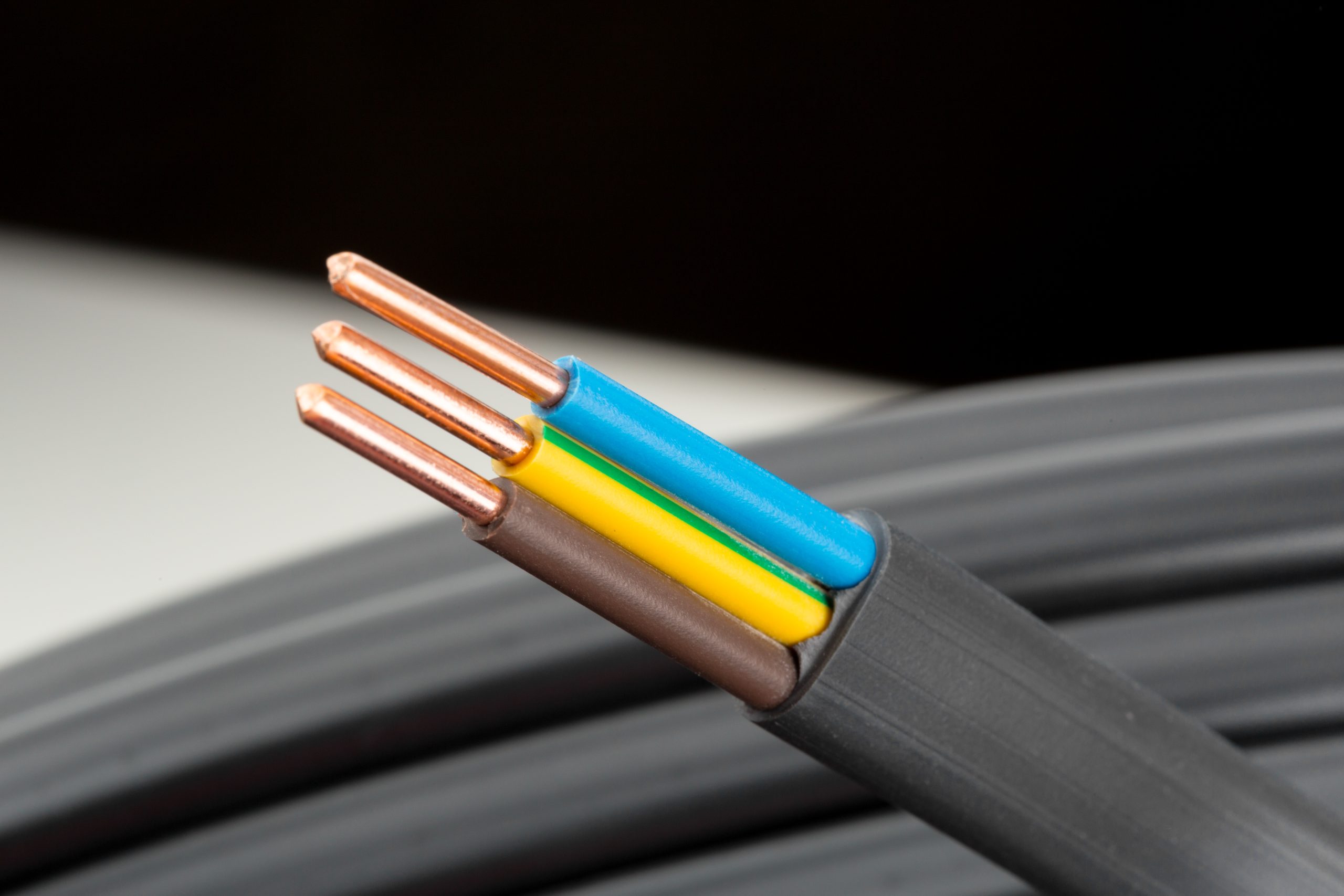
The Philippines low voltage cable industry is experiencing steady growth, driven by rapid urbanization, infrastructure modernization, and expanding electrification projects across the country. Valued at approximately USD 1.24 billion, the sector is projected to expand at a 6.8% CAGR over the forecast period. Demand is being fueled by large-scale residential developments in Metro Manila, industrial expansion in key provinces, and growing investments in power distribution networks. The increasing adoption of fire-retardant and low-smoke zero-halogen cables is also transforming product standards, creating new opportunities for manufacturers and construction-focused suppliers.
Market Drivers Advancing Philippines Low Voltage Cable Growth
Expanding Infrastructure and Urban Construction Activities
The Philippines continues to witness significant infrastructure development, particularly in Metro Manila and surrounding regions. Rising investments in residential towers, commercial complexes, transportation projects, and public utilities are creating sustained demand for low voltage cables. Every new building requires extensive electrical wiring systems, making cable procurement a critical component of construction activities. The growing urban population and increasing housing requirements further strengthen industry growth.
Industrial Expansion and Manufacturing Investments
Manufacturing hubs such as Batangas are driving demand for reliable power distribution systems. Industrial facilities, including refineries, processing plants, and production centers, require heavy-duty low voltage cabling to support operations. As manufacturers continue expanding capacity and establishing new facilities, cable consumption is increasing across industrial applications. The trend also supports demand for durable and high-performance products capable of meeting stringent operational requirements.
Nationwide Electrification and Rising Power Connectivity
The government continued focus on rural and residential electrification is accelerating the installation of new electrical infrastructure. Programs targeting broader electricity access are increasing the need for building wires and distribution cables. Growing electricity consumption across households and businesses is encouraging utilities and contractors to invest in modern cable systems that enhance efficiency, reliability, and safety.
Government Initiatives Supporting Philippines Low Voltage Cable Industry
Government agencies are actively promoting safe and efficient electrical infrastructure through regulatory standards and electrification programs. The implementation of the Philippine Electrical Code Part 1 and compliance requirements from the Bureau of Philippine Standards have increased the adoption of advanced cable technologies. Additionally, ongoing electrification initiatives are extending power access to underserved communities, creating consistent demand for low voltage cables while encouraging the use of fire-retardant and environmentally sustainable products.
Competitive Landscape of Philippines Low Voltage Cable Sector
The industry is characterized by the presence of established domestic manufacturers and international suppliers. Leading companies focus on expanding production capacity, improving product quality, and developing specialized cable solutions for construction and industrial applications. Local manufacturers are increasingly investing in domestic copper processing and production capabilities to reduce dependence on imported raw materials. Competition is centered on product reliability, compliance with safety standards, pricing efficiency, and distribution network strength.
Challenges Impacting Philippines Low Voltage Cable Industry
Raw Material Price Volatility
Copper remains a key raw material for cable production, making manufacturers vulnerable to fluctuations in global commodity prices. Changes in copper costs can directly affect production expenses and profit margins, creating pricing challenges for suppliers.
Compliance and Quality Requirements
As safety regulations become more stringent, manufacturers must invest in certification processes, advanced production technologies, and product testing. Meeting evolving fire-resistance and environmental standards can increase operational costs, particularly for smaller producers.
Future Outlook
The future of the Philippines low voltage cable sector remains positive, supported by ongoing infrastructure investments, industrial expansion, and urban development projects. Continued growth in construction activity is expected to generate long-term demand for electrical wiring solutions across residential, commercial, and public infrastructure applications.
Consultants at Nexdigm, in their latest publication “Philippines Low Voltage Cable Market Outlook to 2035,” analyze the sector By (Defining Philippine Electrical Standards, Analyzing Energy Regulatory Commission Data, Bottom-up Construction Project Tracking, Top-down Industry Revenue Modeling, Supply Chain Assessment of Copper).
Nexdigm suggests that businesses in the Philippines Low Voltage Cable Industry focus on strengthening local manufacturing capabilities, adopting advanced fire-resistant and low-smoke cable technologies, and aligning with evolving regulatory standards. Capitalizing infrastructure expansion, industrial growth, and nationwide electrification initiatives can help companies enhance competitiveness and achieve sustainable long-term growth.
To take the next step, simply visit our Request a Consultation page and share your requirements with us.
Harsh Mittal
+91-8422857704