
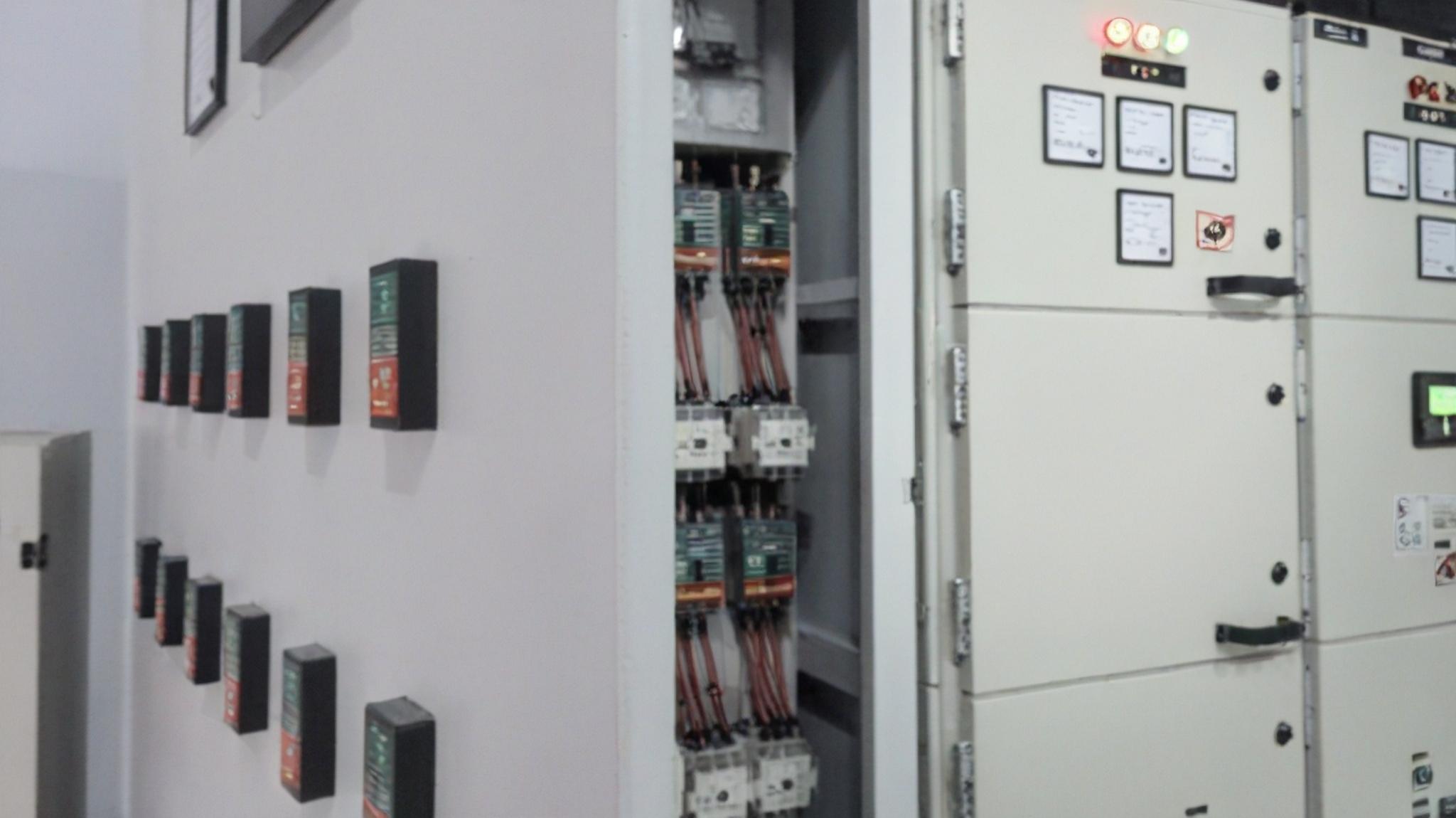
As the Philippines accelerates its transition toward cleaner and more distributed energy systems, the demand for reliable electrical protection equipment is growing rapidly. Low-voltage DC circuit breakers have become essential components in solar photovoltaic installations, battery energy storage systems, EV charging infrastructure, and industrial DC networks. With the country pursuing ambitious renewable energy goals and increasing investments in power infrastructure, the market for low-voltage DC circuit breakers is gaining significant momentum. These devices not only enhance system safety but also improve operational reliability, making them indispensable for modern electrical networks.
Market Drivers Advancing the Philippines Low-Voltage DC Circuit Breakers Industry
Renewable Energy Expansion Creating Strong Demand
One of the biggest growth drivers is the rapid deployment of renewable energy projects across the Philippines. According to the Department of Energy, the country was monitoring more than 1,270 renewable energy projects with a combined potential capacity exceeding 134 GW, including nearly 29 GW of solar projects. Solar energy systems rely extensively on DC electrical architecture, increasing the need for specialized low-voltage DC protection devices. As solar installations become more common in commercial buildings, industrial facilities, and residential developments, circuit breakers play a critical role in isolating faults and protecting valuable equipment. Their ability to minimize downtime and prevent electrical hazards makes them a preferred safety solution across renewable energy projects.
Rising Investments in Battery Storage and Electric Mobility
The increasing adoption of battery energy storage systems is another key catalyst for market growth. Energy storage facilities operate on DC power and require advanced protection mechanisms to ensure safe operation. As businesses and utilities seek more resilient energy systems, investment in storage infrastructure continues to increase. Similarly, the growing EV ecosystem is contributing to higher demand. Charging stations, battery swapping facilities, and supporting infrastructure all depend on reliable DC protection technologies. As the country works to modernize transportation and reduce emissions, low-voltage DC circuit breakers are becoming an integral component of new energy projects.
Industrial Automation and Smart Infrastructure Development
Manufacturing facilities, data centers, telecommunications networks, and commercial buildings are increasingly adopting DC-powered equipment. The industry’s shift toward automation and digitalization has heightened the need for electrical protection systems that can respond quickly to faults and power fluctuations. Modern low-voltage DC circuit breakers offer enhanced monitoring capabilities, improved fault interruption performance, and integration with smart energy management systems. These features make them attractive for industries looking to improve operational efficiency and equipment reliability.
Government Initiatives Supporting the Philippines Low-Voltage DC Circuit Breakers Industry
The Philippine government continues to strengthen its renewable energy framework through programs designed to expand clean energy adoption. The country has set a target of increasing renewable energy’s share in the power generation mix to 35%, while renewable energy already accounts for approximately 25% of generation. Government initiatives promoting solar installations, energy storage deployment, grid modernization, and electrification are expected to create sustained demand for DC electrical protection equipment throughout the value chain.
Competitive Landscape of the Philippines Low-Voltage DC Circuit Breakers Industry
The market features a mix of global electrical equipment manufacturers and regional suppliers competing through product innovation, quality, and distribution strength. Leading international companies such as Schneider Electric, ABB, Siemens, Eaton, Mitsubishi Electric, and Fuji Electric maintain strong market visibility through extensive product portfolios and technical expertise. Companies are increasingly focusing on solutions specifically designed for solar energy, battery storage, and smart infrastructure applications, creating a competitive yet innovation-driven environment.
Challenges Facing the Philippines Low-Voltage DC Circuit Breakers Sector
Dependence on Imported Components
A major challenge for the industry is the reliance on imported electrical components and equipment. Supply chain disruptions, currency fluctuations, and international logistics constraints can influence product availability and pricing, affecting project timelines and procurement decisions.
Cost Sensitivity Across End-User Segments
Although awareness of electrical safety is increasing, some end users remain highly price-sensitive. Advanced DC circuit breakers often carry higher upfront costs compared to conventional alternatives, creating adoption barriers in smaller projects where budget considerations dominate purchasing decisions.
Future Outlook
The future of the Philippines low-voltage DC circuit breakers market appears highly promising as renewable energy, energy storage, and electric mobility continue expanding across the country. Growing solar installations, rising battery deployment, and modernization of industrial infrastructure will strengthen long-term demand for advanced DC protection technologies. With renewable energy capacity additions accelerating and smart energy systems becoming more widespread, manufacturers that offer reliable, efficient, and digitally integrated circuit protection solutions are expected to capture significant growth opportunities. The market is poised to become an increasingly important enabler of the Philippines’ evolving energy landscape.
Consultants at Nexdigm, in their latest publication “Philippines Low-Voltage DC Circuit Breakers Market Outlook to 2035” analyze the sector By Circuit Breaker Type (Fixed Trip MCCBs, Adjustable Trip MCCBs and Electronic Trip Unit MCCBs), By Industrial Application (Commercial Infrastructure, Residential Property Development and Data Center Power Systems) and By Mounting Type (Plug-in Base Installation and DIN Rail Mounted).
Nexdigm suggests that businesses in “Philippines Low-Voltage DC Circuit Breakers Industry” focusses on oilfield, desalination, construction, and industrial applications, strengthen local warehousing, develop application-specific grades, improve technical support, and build resilient sourcing networks to serve expanding energy, water, and manufacturing demand.
To take the next step, simply visit our Request a Consultation page and share your requirements with us.
Harsh Mittal
+91-8422857704