
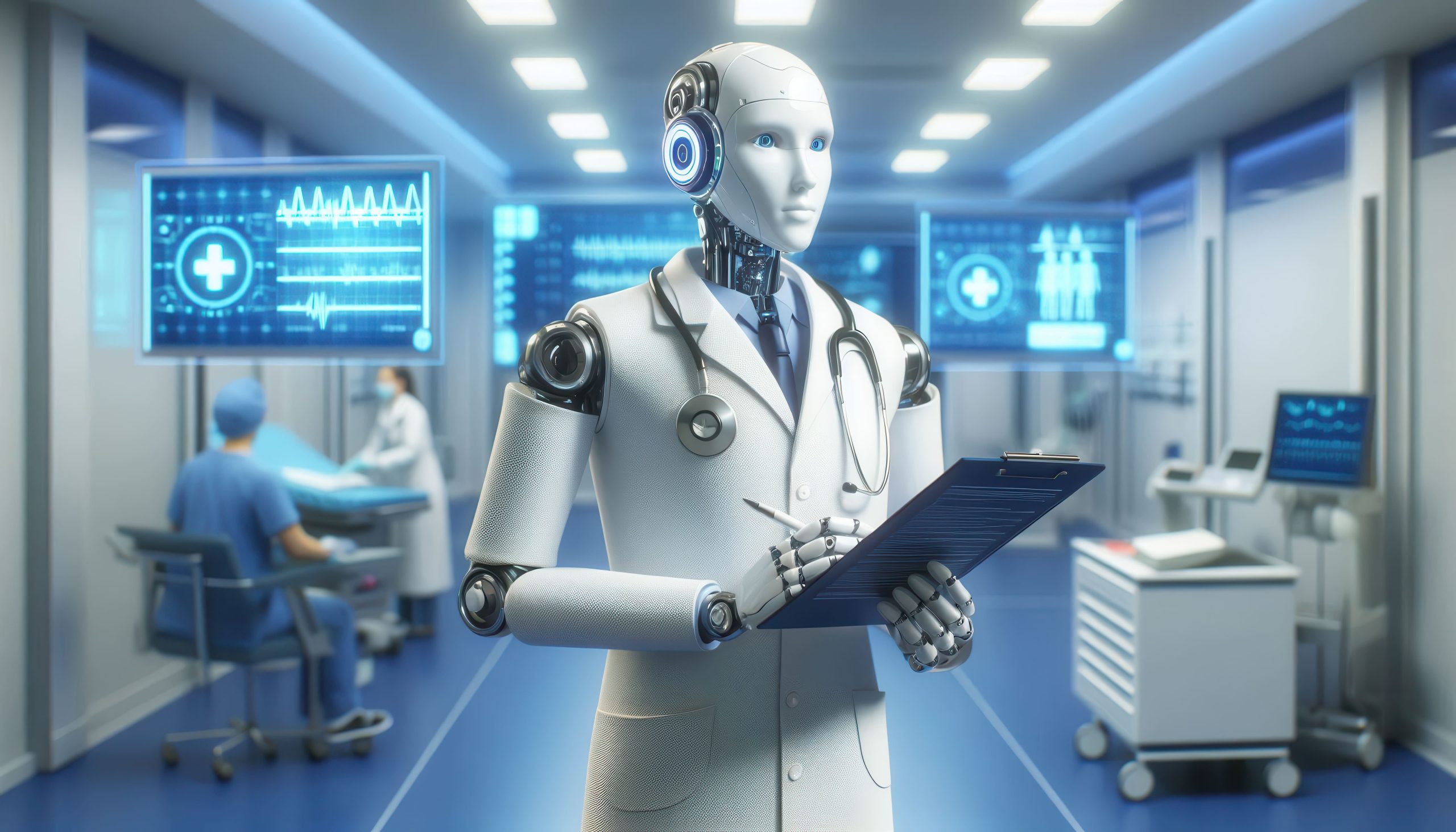
The Philippines healthcare sector is moving through a very practical phase of digital adoption, and machine learning is no longer just a talking point in boardrooms. It is beginning to show up where it matters: diagnostics, hospital operations, patient engagement, and early disease detection. As of 2026, the pressure on the healthcare system remains significant. Public hospitals continue to deal with capacity constraints, many provinces still face shortages of specialists, and non-communicable diseases are placing a heavier burden on care delivery. That is exactly why machine learning has started gaining traction. In a market like the Philippines, the appeal is not just about innovation for its own sake. It is about solving long-standing operational problems with smarter tools. Over the next few years, adoption is likely to deepen as healthcare providers look for practical technology that saves time, lowers inefficiency, and supports better patient outcomes.
What’s Driving Machine Learning Adoption in Philippine Healthcare?
Rising Pressure on Diagnostic Capacity
One of the clearest reasons behind adoption is the growing need for faster and more accurate diagnostics. The Philippines continues to see a high burden of chronic illness, including diabetes, hypertension, respiratory disease, and cancer. In many facilities, especially outside Metro Manila, specialist capacity is limited. That creates bottlenecks in interpretation and treatment planning. Machine learning helps narrow that gap. AI-assisted imaging tools are becoming useful in radiology, pathology, and cardiology, particularly for triage and anomaly detection. In practice, these tools do not replace doctors, but they can reduce the time it takes to flag suspicious scans or prioritize urgent cases. For hospitals managing high patient loads, that kind of support is not a luxury. It is increasingly becoming operationally relevant.
Digital Health Adoption Is Finally Becoming More Usable
The shift toward digital health in the Philippines has been uneven, but it is real. Telemedicine platforms, cloud-based patient records, and digital appointment systems have become far more common than they were even a few years ago. That matters because machine learning depends on usable, structured data. Without digitization, the technology remains theoretical. Private hospitals and larger care networks are now better positioned to integrate predictive tools into everyday workflows. Remote monitoring, virtual consultations, and automated patient triage are some of the more practical use cases emerging in the market. The opportunity is strong, although the quality of implementation will matter more than the technology itself. Many healthcare systems fail not because the model is weak, but because the workflow around it is poorly designed.
Private Investment and Startup Activity
Another important factor is the role of private players. The Philippine digital health space has become more active, with startups and technology providers building tools tailored to local healthcare pain points. Some are focused on AI-based symptom checkers and virtual assistants, while others are developing analytics platforms for hospitals and insurers. This matters because innovation in healthcare rarely comes only from government programs. A lot of useful machine learning deployment happens when private firms identify very specific inefficiencies and solve them well. The market is still early-stage, but that can be an advantage. There is room for local adaptation, and not every solution has to be imported or built for Western hospital systems that operate very differently.
Government-Led Initiatives
Public policy has also created a more favorable environment for digital healthcare. The Universal Health Care Act and the National eHealth Strategy have both contributed to a stronger push toward connected health systems and wider healthcare access. While implementation remains uneven, the policy direction is clear: healthcare delivery in the Philippines needs to become more integrated, data-driven, and accessible across geographies. This opens the door for machine learning applications in areas such as disease surveillance, population health management, and public hospital resource planning. On the ground, one of the most meaningful use cases may not be flashy AI diagnostics, but better forecasting for patient loads, medicine demand, and referral patterns.
Market Competition
The Philippines machine learning in healthcare market remains moderately fragmented, with a mix of multinational technology firms, regional health-tech providers, and local startups shaping competition. Global companies typically bring technical maturity and established AI capabilities, while local players often understand workflow realities better and can adapt faster to provider needs. Hospitals are not simply buying software anymore. They are looking for usable systems that fit into existing care environments without creating extra administrative burden. That means vendors that can offer implementation support, data integration, and clinician-friendly design may hold a stronger edge than those selling sophisticated tools with little real-world practicality.
Data and Infrastructure Challenges
A common challenge is that machine learning is only as good as the systems feeding it. Many healthcare facilities in the Philippines still rely partly on paper-based records, fragmented patient histories, and inconsistent data capture. That limits model performance and slows broader deployment.There is also the issue of trust. Healthcare providers are cautious, and rightly so. Questions around patient privacy, algorithm transparency, and cybersecurity cannot be treated as side issues. Until data governance improves, adoption outside top-tier institutions may move slower than the hype suggests.
Future Outlook
The Philippines machine learning in healthcare market is expected to witness significant growth through 2030, driven by continued digitalization, policy support, and increasing healthcare demand. By 2030, machine learning is anticipated to be widely integrated across key healthcare functions, including diagnostics, treatment planning, hospital management, and public health monitoring. The adoption of AI-powered tools is expected to expand beyond major urban centers into secondary cities and rural areas, improving healthcare accessibility nationwide.
Consultants at Nexdigm, in their latest publication “Philippines Machine Learning in Healthcare Market Outlook to 2030,” highlight that businesses should focus on developing scalable, data-driven solutions tailored to local healthcare needs. Emphasis on data security, regulatory compliance, and partnerships with healthcare providers will be critical for long-term success. Leveraging machine learning as a tool for improving both clinical outcomes and operational efficiency will define the next phase of growth in the Philippines healthcare sector.
To take the next step, simply visit our Request a Consultation page and share your requirements with us.
Harsh Mittal
+91-8422857704