
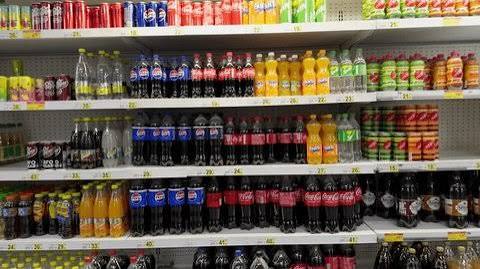
The Philippines non-alcoholic beverages market is undergoing a remarkable transformation as changing consumer preferences, urbanization, and growing health consciousness reshape drinking habits across the country. With a population exceeding 115 million people and a steadily expanding middle class, demand for packaged beverages continues to rise. From bottled water and ready-to-drink tea to fruit juices, functional drinks, and low-sugar alternatives, consumers are seeking products that combine convenience, taste, and wellness. As modern retail channels expand and digital commerce gains momentum, beverage manufacturers are introducing innovative offerings tailored to younger, health-conscious Filipino consumers, creating a dynamic and competitive market environment.
Market Drivers Advancing the Philippines Non-Alcoholic Beverages Industry
Growing Demand for Healthier and Functional Beverage Choices
Health and wellness trends are significantly influencing beverage consumption patterns across the Philippines. Consumers are becoming more aware of sugar intake and actively seeking alternatives such as low-calorie beverages, flavored water, sports drinks, and vitamin-enriched products. The country’s relatively young population is also contributing to the popularity of functional beverages that support hydration, energy, and immunity. The increasing adoption of healthier lifestyles has encouraged manufacturers to reformulate products and launch sugar-free or reduced-sugar variants. Functional drinks containing electrolytes, probiotics, vitamins, and natural ingredients are gaining traction, particularly among urban consumers and fitness enthusiasts.
Expanding Urban Population and Rising Disposable Incomes
Rapid urbanization continues to create favorable conditions for the beverage industry. More Filipinos are moving to cities, where access to modern retail outlets, supermarkets, convenience stores, and quick-service restaurants boosts beverage consumption. Rising household incomes are enabling consumers to spend more on premium and branded beverage products. Metro Manila and other major urban centers remain important demand hubs, with convenience-driven purchasing influencing product development. Ready-to-drink beverages that require minimal preparation have become increasingly popular among busy working professionals and students.
Retail Modernization and Digital Commerce Expansion
The Philippines’ growing retail infrastructure is enhancing product availability across the country. Convenience store chains, supermarkets, hypermarkets, and online grocery platforms have expanded significantly, making non-alcoholic beverages more accessible than ever. E-commerce platforms and on-demand delivery services are creating additional sales opportunities for beverage companies. Digital marketing campaigns and social media engagement are also helping brands connect directly with younger consumers, accelerating product awareness and adoption.
Government Initiatives Supporting the Philippines Non-Alcoholic Beverage Industry
The Philippine government continues to encourage investments in food and beverage manufacturing through industrial development programs and investment incentives. Efforts to improve logistics infrastructure, transportation networks, and digital connectivity support efficient product distribution across the archipelago. Food safety regulations and nutrition awareness campaigns are also encouraging manufacturers to improve product quality and introduce healthier beverage alternatives, creating a more sustainable and consumer-focused industry ecosystem.
Competitive Landscape of the Philippines Non-Alcoholic Beverages Sector
The market remains highly competitive, with global beverage leaders competing alongside strong local brands. Major participants include Coca-Cola Beverages Philippines, Pepsi-Cola Products Philippines, Universal Robina Corporation, and other regional beverage manufacturers. Companies are investing in product innovation, sustainable packaging, flavor diversification, and health-focused beverage portfolios to strengthen their market positions. Strategic partnerships, marketing initiatives, and distribution network expansion continue to shape competition within the industry.
Challenges Facing the Philippines Non-Alcoholic Beverages Industry
Rising Raw Material and Packaging Costs
Manufacturers face ongoing pressure from fluctuating costs of ingredients, sweeteners, packaging materials, and transportation. Rising production expenses can impact profit margins and may lead to higher retail prices, affecting consumer purchasing behavior.
Regulatory and Health-Related Pressures
Growing public concern regarding sugar consumption has increased regulatory scrutiny of sweetened beverages. Beverage companies must continuously adapt product formulations and labeling practices while balancing taste preferences, health requirements, and compliance standards.
Future Outlook
The future of the Philippines non-alcoholic beverages market appears promising as health awareness, urbanization, and retail expansion continue to drive demand. Beverage companies are expected to focus increasingly on functional drinks, plant-based beverages, low-sugar formulations, and environmentally friendly packaging solutions. Continued investment in innovation, distribution networks, and digital commerce will help brands reach a broader consumer base. As Filipino consumers increasingly prioritize convenience and wellness, the market is likely to witness sustained diversification, creating attractive opportunities for manufacturers, investors, and retailers across the value chain.
Consultants at Nexdigm, in their latest publication “Philippines Non-Alcoholic Beverages Market Outlook to 2035“ analyze the sector By Product Category (Coals, Fruit-Flavored Sodas and Clear Sodas), By Distribution Channel (Sari-Sari Stores, Convenience Stores and Public Wet Markets) and Packaging Format (PET Bottles, Glass Bottles and Aseptic Cartons).
Nexdigm suggests that businesses in “Philippines Non-Alcoholic Beverages Industry” focusses on oilfield, desalination, construction, and industrial applications, strengthen local warehousing, develop application-specific grades, improve technical support, and build resilient sourcing networks to serve expanding energy, water, and manufacturing demand.
To take the next step, simply visit our Request a Consultation page and share your requirements with us.
Harsh Mittal
+91-8422857704