
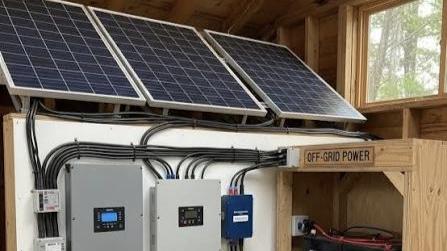
For a country made up of more than 7,600 islands, ensuring reliable electricity access has always been a challenge. Many remote communities remain far from the national grid, making traditional power infrastructure expensive and difficult to deploy. This is where off-grid solar energy is creating meaningful change. From powering homes and schools to supporting healthcare centers and small businesses, solar systems are helping communities gain access to cleaner and more dependable electricity. Supported by declining solar equipment costs and advances in battery storage, the Philippines off-grid solar energy market is emerging as a key pillar of the country’s sustainable energy transition.
Market Drivers Advancing the Philippines Off-Grid Solar Energy Industry
Rural Electrification Needs Continue to Accelerate Solar Adoption
One of the strongest drivers of the Philippines off-grid solar energy market is the country’s ongoing effort to electrify geographically isolated and disadvantaged areas. Thousands of households across remote islands and rural communities still experience limited or unreliable access to electricity. Extending transmission lines to these locations is often costly, making off-grid solar systems a practical and affordable alternative. Solar home systems, community microgrids, and hybrid renewable energy projects are helping bring power to schools, health clinics, and local enterprises. For many families, access to solar electricity means better educational opportunities, improved safety, and greater connectivity to the digital economy.
Falling Solar Costs and Better Battery Technologies Improve Accessibility
The economics of off-grid solar energy have improved significantly in recent years. Global solar photovoltaic module prices have declined substantially over the last decade, making solar installations more affordable for consumers and businesses. At the same time, battery storage technologies continue to become more efficient, allowing households and organizations to store excess solar power for use during the evening or cloudy periods. These improvements have expanded the appeal of off-grid solar solutions for agricultural operations, tourism facilities, fishing communities, and small businesses seeking reliable energy sources.
Rising Demand for Energy Independence and Sustainable Power Solutions
Electricity price volatility and environmental concerns are prompting more consumers to seek alternative energy sources. Diesel generators, commonly used in off-grid regions, can be expensive to operate and maintain due to fuel transportation costs. Off-grid solar systems offer a cleaner and more predictable source of electricity. Additionally, the Philippines experiences frequent weather-related disruptions, making energy resilience increasingly important. Solar-plus-storage systems provide communities with greater energy security and help reduce dependence on imported fossil fuels.
Government Initiatives Supporting the Philippines Off-Grid Solar Energy Industry
The Philippine government continues to prioritize renewable energy and universal electrification through several initiatives. Programs led by the Department of Energy support solar-powered microgrids and decentralized energy solutions for underserved communities. The Total Electrification Program, along with renewable energy investment incentives and public-private partnerships, is creating a favorable environment for off-grid solar deployment. These efforts aim to improve energy access while supporting the country’s long-term sustainability and energy security goals.
Competitive Landscape of the Philippines Off-Grid Solar Energy Industry
The market features a combination of local renewable energy developers, solar solution providers, and international technology suppliers. Companies such as Solar Philippines, One Renewable Energy Enterprise Inc., and various regional solar integrators are actively participating in rural electrification projects. Competition increasingly centers on technology innovation, financing options, battery integration capabilities, and strategic partnerships that can help expand solar access to remote communities.
Challenges Facing the Philippines Off-Grid Solar Energy Industry
High Initial Investment Requirements Remain a Barrier
Although solar technology has become more affordable, the upfront cost of installing off-grid systems can still be significant for many households and small enterprises. Battery storage components often account for a substantial share of project expenses, making financing support an important factor for broader adoption.
Geographic Complexity Creates Operational Challenges
The country’s vast archipelagic structure creates logistical hurdles for equipment transportation, installation, and maintenance. Reaching remote islands can increase project costs and timelines. In some regions, limited availability of trained technicians may also affect long-term system performance and maintenance efficiency.
Future Outlook
The future of the Philippines off-grid solar energy market remains highly promising as the nation continues its push toward universal electrification and renewable energy adoption. Growing investments in solar mini-grids, energy storage systems, and rural infrastructure are expected to expand market opportunities across underserved regions. As technology costs continue to decline and government initiatives gain momentum, off-grid solar solutions will become increasingly accessible to households and businesses. Over the coming years, solar energy is expected to play an even greater role in delivering reliable, sustainable, and inclusive power across the Philippines’ diverse island communities.
Consultants at Nexdigm, in their latest publication “Philippines Off-Grid Solar Energy Market to 2035” analyze the sector By Solar PV Technology (Bifacial Solar Panels, Polycrystalline Modules and Monocrystalline PERC Modules), By Energy Storage Chemistry (Lead-Acid, Sodium-Ion and Flow Batteries) and By Application Sector (Residential Households, Agricultural Irrigation Systems).
Nexdigm suggests that businesses in “ Philippines Off-Grid Solar Energy Industry” focusses on oilfield, desalination, construction, and industrial applications, strengthen local warehousing, develop application-specific grades, improve technical support, and build resilient sourcing networks to serve expanding energy, water, and manufacturing demand.
To take the next step, simply visit our Request a Consultation page and share your requirements with us.
Harsh Mittal
+91-8422857704