
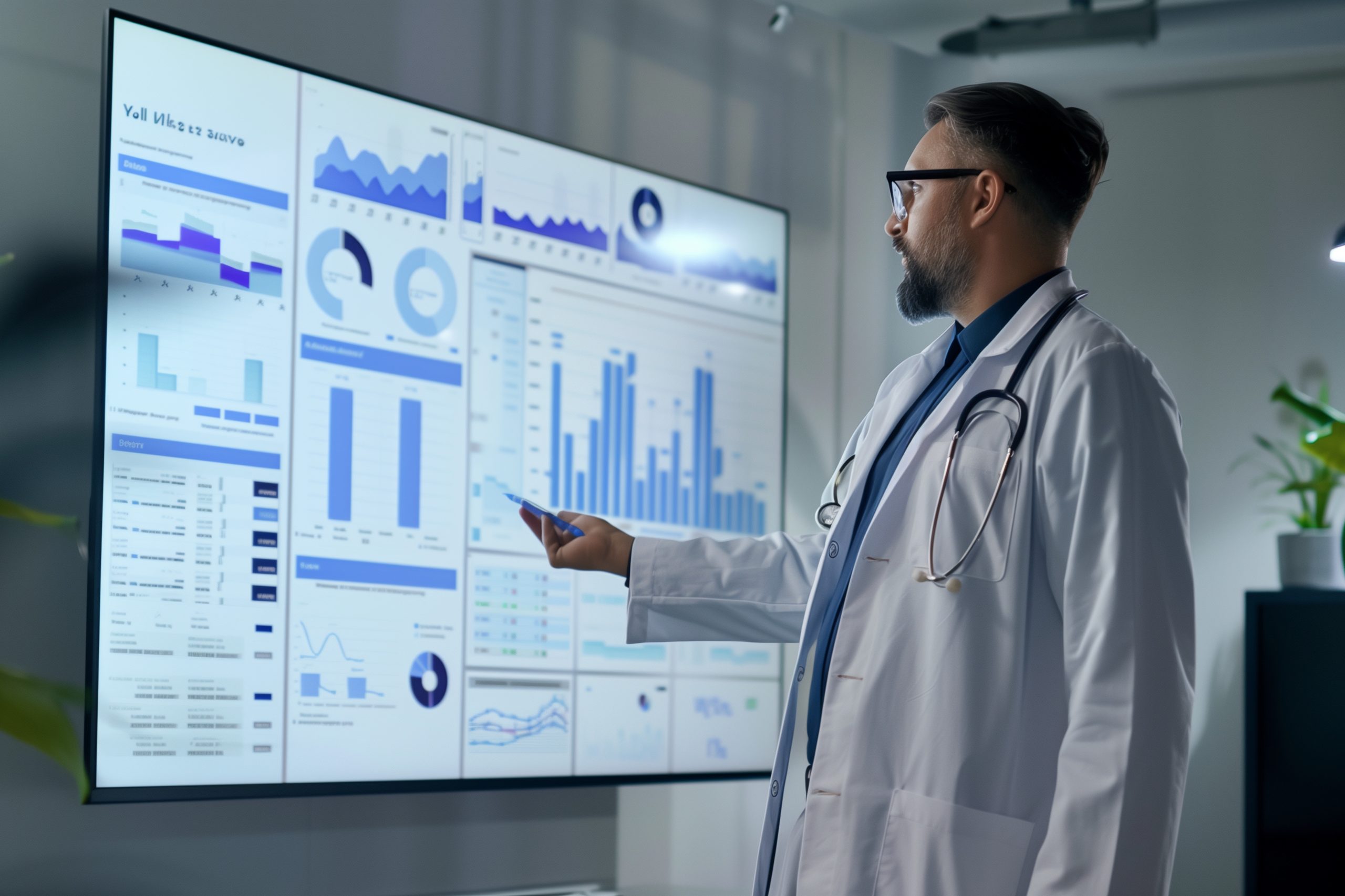
The Philippines is embracing smarter healthcare, with predictive analytics at the verge of this transformation. By using historical data and advanced algorithms, healthcare providers can better predict health trends, understand patient needs, and improve treatment outcomes. As more hospitals switch to digital records and the amount of health data grows, predictive analytics is becoming a powerful tool, helping improve both patient care and efficiency as we move toward 2030.
The country’s healthcare analytics market is expected to grow by 15% CAGR over the next decade. With continued advancements in technology, predictive analytics will allow healthcare providers to offer more personalized, proactive care, leading to earlier disease detection, better resource management, and an overall improved healthcare experience for patients.
What’s Driving the Growth of Predictive Analytics in Healthcare?
Data Explosion and Digital Transformation
As more hospitals and clinics move from paper records to electronic health records (EHRs), an enormous amount of valuable healthcare data is being generated. This wealth of data is a goldmine for predictive analytics. By analyzing patterns in patient data, healthcare providers can anticipate risks, detect diseases early, and optimize treatment plans. With better digital infrastructure, healthcare providers can unlock the full potential of this data to improve both patient outcomes and operational efficiency.
Focus on Preventative Care and Managing Chronic Conditions
Chronic diseases like diabetes and heart disease are on the rise in the Philippines. Predictive analytics plays a critical role in identifying patients at risk, allowing healthcare providers to take preventive action before conditions worsen. By examining a combination of factors like patient history, lifestyle, and genetic data, predictive models help create personalized care plans. This approach not only improves long-term health but also reduces the burden on hospitals, lowering treatment costs and improving quality of life for patients.
Boosting Efficiency in Healthcare Operations
Predictive analytics isn’t just about patient care; it also helps hospitals run more smoothly. It helps forecast patient demand, optimize staffing levels, and reduce wait times. Insurance companies use analytics to predict claims and prevent fraud, making the entire healthcare ecosystem more efficient. As hospitals and healthcare providers seek ways to do more with less, predictive analytics will play a vital role in improving service delivery and reducing costs.
How the Government is Supporting Predictive Analytics in Healthcare?
The Philippine government is backing the digital transformation of healthcare through initiatives that support the use of predictive analytics. Programs like the Universal Health Care Act aim to integrate digital health solutions into the national healthcare system, enhancing access and efficiency. With the establishment of electronic health records and data-sharing systems, the government is laying the groundwork for data-driven healthcare, helping ensure that predictive analytics can be effectively implemented across the country.
Competitive Leaders of the Healthcare Market for Predictive Analytics
The market for predictive analytics in healthcare is becoming more competitive, with both global tech giants and local players offering solutions. Big names like IBM Watson Health, Oracle Health, and Microsoft Azure are providing advanced analytics tools, while local startups and IT consultancies are tailoring solutions for the unique needs of the Philippine healthcare system. Collaborations between technology providers and healthcare institutions are key, helping develop solutions that truly meet the needs of hospitals and clinics.
Challenges to Overcome in the Healthcare Analytics Space
Data Privacy and Security Concerns
As more patient data is collected and analyzed, protecting this sensitive information becomes a major concern. Ensuring that predictive analytics tools comply with privacy laws and protect patient data from cyber threats is crucial for building trust and encouraging adoption across the sector.
Infrastructure and Skill Gaps
While some healthcare institutions are ahead of the curve, many still lack the necessary digital infrastructure to fully adopt predictive analytics. Additionally, there is a shortage of skilled professionals who can manage and interpret complex data. Addressing these gaps will be essential for unlocking the potential of predictive healthcare across the Philippines.
Future Outlook
As we look toward 2030, predictive analytics is poised to become an even more integral part of healthcare in the Philippines. With continuous improvements in AI, machine learning, and data-sharing platforms, healthcare providers will be able to offer real-time insights and more personalized care. As digital infrastructure improves and data security measures are strengthened, predictive analytics will play a central role in shaping a more efficient, accessible, and patient-centered healthcare system.
Consultants at Nexdigm, in their latest publication Philippines Predictive Analytics in Healthcare Market Outlook 2030 analyze the sector by measuring key growth drivers, emerging trends, and the increasing adoption of data-driven technologies, improving patient outcomes, optimizing hospital operations, and supporting decision-making across the healthcare ecosystem.
Nexdigm suggests that businesses should embrace digital transformation to stay competitive, particularly in sectors like healthcare. By investing in technologies such as predictive analytics and enhancing data security, companies can improve efficiency, provide better customer experiences, and drive growth, ensuring they stay ahead in an increasingly digital world.
To take the next step, simply visit our Request a Consultation page and share your requirements with us.
Harsh Mittal
+91-8422857704