
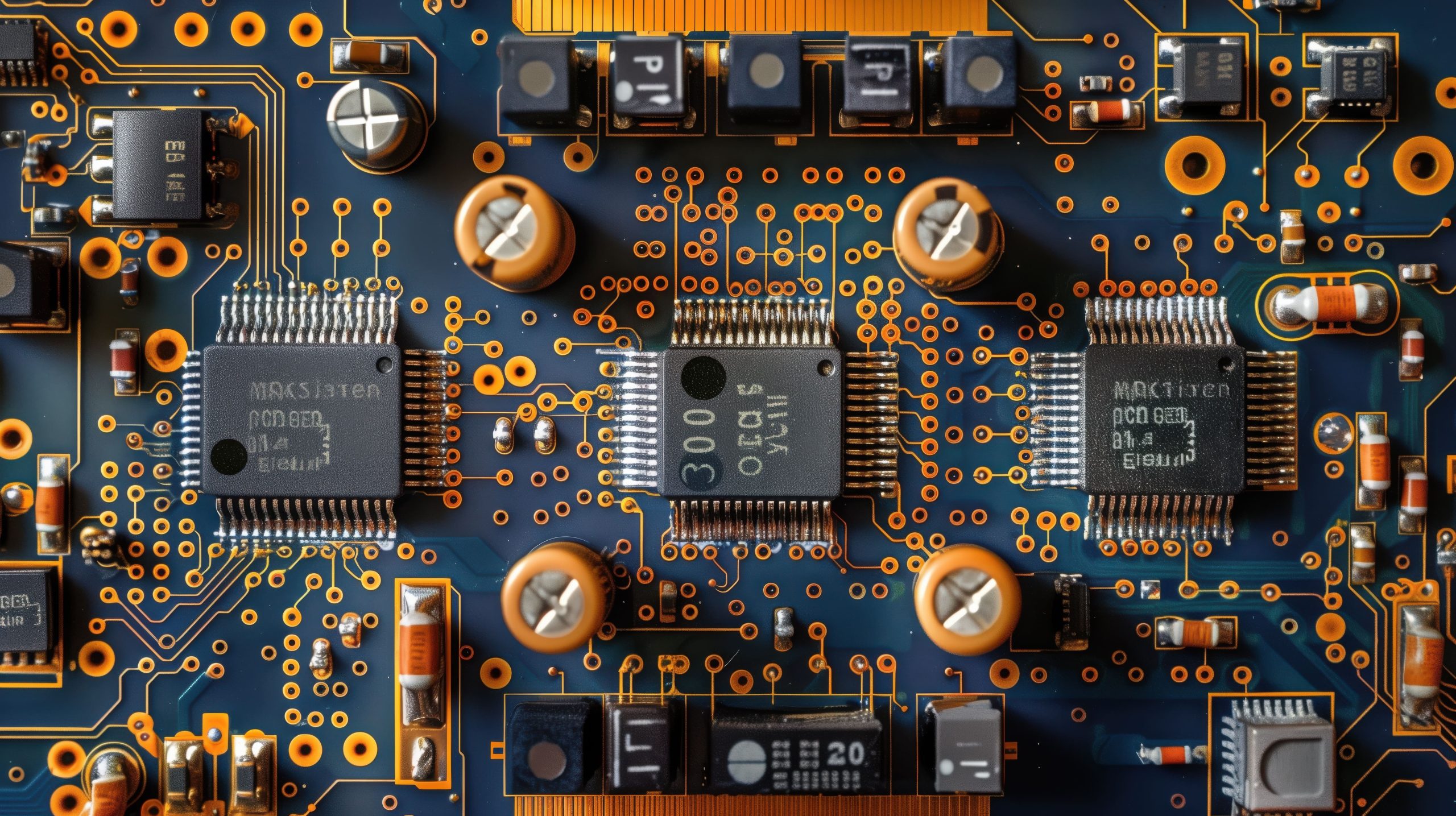
The Philippines printed circuit board (PCB) market is poised for steady expansion as the country reinforces its position within Southeast Asia’s electronics manufacturing value chain. As of 2026, electronics remain the Philippines’ top export category, accounting for more than half of total merchandise exports, with semiconductors and electronic components leading the segment. Printed circuit boards, being the backbone of electronic assemblies, are witnessing rising demand from consumer electronics, automotive electronics, industrial equipment, and telecommunications infrastructure. While the country has historically focused on semiconductor assembly and testing, increasing diversification into higher-value electronics manufacturing is expected to strengthen domestic PCB demand through 2035.
What’s Driving the PCB Market in the Philippines?
Growth in Electronics Manufacturing Services (EMS)
The Philippines hosts a strong base of electronics manufacturing services (EMS) providers supplying global brands. Multinational companies operating in export processing zones are expanding production of hard disk drives, power supplies, automotive control units, and industrial electronics. As global OEMs seek supply chain diversification beyond China, the Philippines is emerging as a complementary manufacturing hub in ASEAN. This shift is increasing local demand for single-sided, double-sided, and multilayer PCBs used in assembled electronic products.
Rising Demand from Automotive and EV Electronics
The global transition toward electric vehicles (EVs) and advanced driver-assistance systems (ADAS) is driving higher PCB content per vehicle. Automotive electronics such as battery management systems, infotainment units, and safety modules require high-reliability multilayer and flexible PCBs. As Japanese and Korean automotive suppliers strengthen their footprint in the Philippines, PCB demand from the automotive segment is expected to grow steadily through 2035.
Expansion of 5G and Industrial Automation
The rollout of 5G infrastructure and increased adoption of industrial automation are further supporting PCB consumption. Telecommunications equipment, IoT devices, robotics controllers, and smart factory systems rely heavily on complex PCBs. With the Philippine government promoting digital transformation and Industry 4.0 adoption, industrial-grade PCB requirements are anticipated to rise across manufacturing clusters in Luzon and Cebu.
Government-Led Initiatives Supporting Electronics Manufacturing
The Philippine government continues to position electronics as a priority sector under its investment promotion framework. Incentives offered through economic zones managed by the Philippine Economic Zone Authority (PEZA) include tax holidays, duty-free importation of capital equipment, and simplified export procedures. Additionally, policies under the Corporate Recovery and Tax Incentives for Enterprises (CREATE) Act aim to enhance competitiveness and attract foreign direct investment (FDI). Infrastructure upgrades, including improvements in logistics, ports, and power supply reliability, are also critical in supporting PCB and electronics manufacturing. The government’s focus on digital infrastructure and semiconductor roadmap development is expected to create upstream and downstream opportunities for PCB suppliers.
Market Competition and Supply Landscape
The Philippines PCB market is moderately concentrated, with a mix of local manufacturers and foreign-owned firms catering primarily to export-oriented electronics assemblers. Many PCB requirements are still met through imports from regional leaders such as China, Taiwan, South Korea, and Japan, which dominate global PCB production in terms of technology and scale. Domestic production largely focuses on standard rigid PCBs, while high-density interconnect (HDI), flexible, and advanced multilayer boards are frequently sourced from overseas suppliers. However, as demand for higher-value electronics increases, there is potential for technology upgrades and capacity expansion within the local PCB ecosystem. Strategic partnerships and joint ventures with regional PCB leaders could accelerate capability development over the next decade.
High Import Dependency and Structural Challenges
Despite strong electronics exports, the Philippines remains significantly dependent on imported raw materials and advanced PCB components. Copper-clad laminates, specialty chemicals, and high-end fabrication equipment are primarily sourced internationally. This dependency exposes the market to foreign exchange fluctuations, logistics disruptions, and geopolitical risks. Additionally, challenges such as relatively high electricity costs, infrastructure bottlenecks in certain regions, and skills gaps in advanced PCB fabrication technologies may limit rapid scaling of domestic manufacturing. Addressing these structural constraints will be critical for the country to move up the value chain.
Future Outlook
The Philippines PCB market is expected to witness stable growth through 2035, supported by electronics export expansion, automotive electrification, 5G rollout, and industrial automation. By 2035, the country is likely to increase its participation in multilayer and specialized PCB production, particularly for automotive and industrial applications. Continued FDI inflows, supply chain diversification strategies by global OEMs, and policy support for semiconductor and electronics industries will play a pivotal role in shaping market trajectory. Over time, the market is expected to become more integrated, with closer collaboration between PCB manufacturers, EMS providers, and semiconductor firms. While import reliance for advanced materials may persist in the near term, targeted investments in technology transfer and workforce upskilling could gradually enhance local value addition.
Consultants at Nexdigm, in their latest publication “Philippines Printed Circuit Board Market Outlook to 2035”, analyzed the market by Type (Single-Sided, Double-Sided, Multilayer, HDI, Flexible), By Application (Consumer Electronics, Automotive, Industrial Equipment, Telecommunications, Healthcare Devices), and By End User (OEMs, EMS Providers, Aftermarket). Nexdigm believes that businesses should prioritize capability upgrades in high-density and automotive-grade PCBs, strengthen regional supply partnerships, and leverage the Philippines’ strategic ASEAN position as a resilient electronics manufacturing hub through 2035.
To take the next step, simply visit our Request a Consultation page and share your requirements with us.
Harsh Mittal
+91-8422857704