
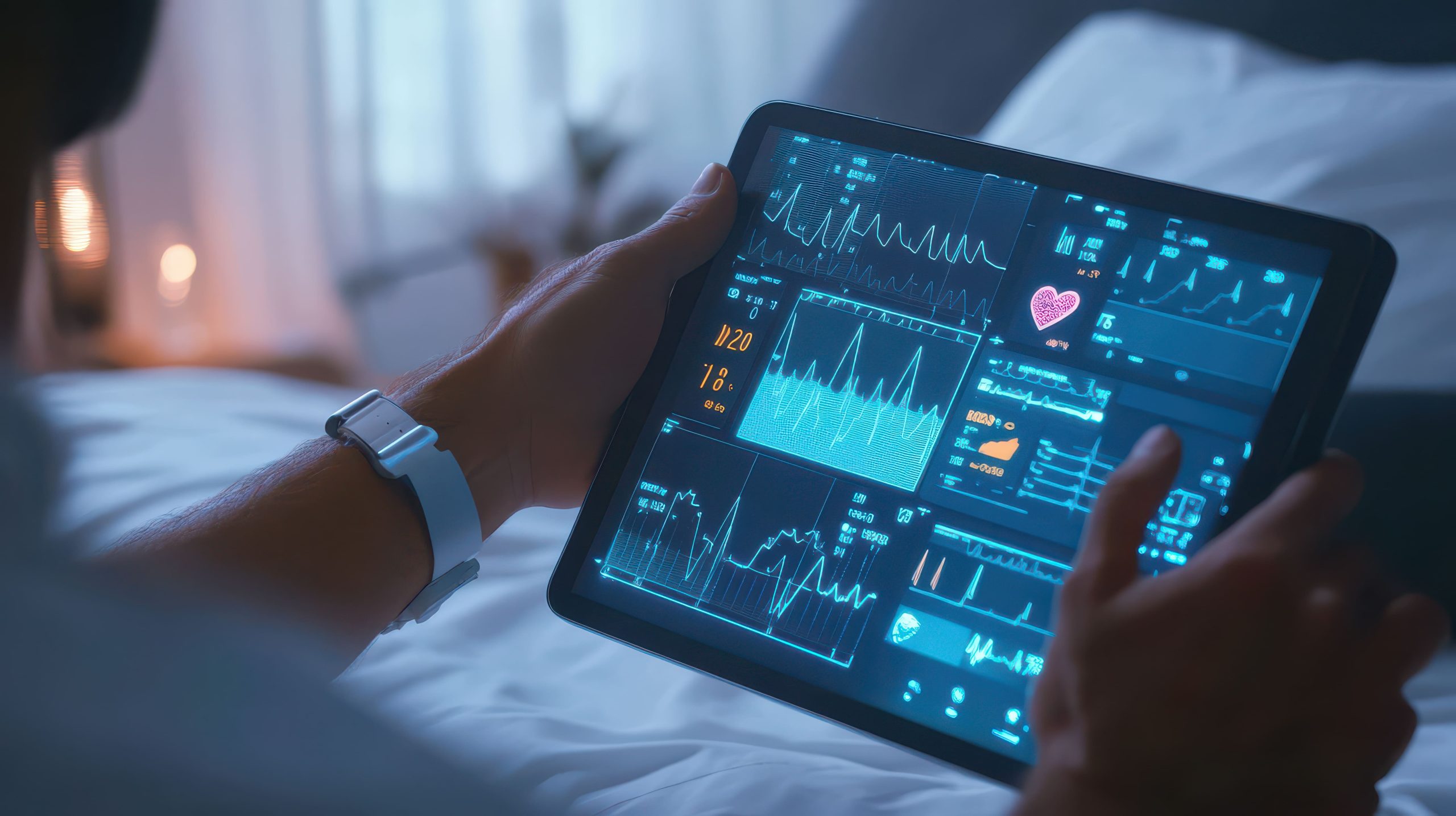
The Philippines remote patient monitoring market is moving from early adoption into a more practical phase of healthcare delivery. For years, digital health in the country was discussed more as a future possibility than an operational tool. That has changed. Hospitals, clinics, and telehealth providers are now under pressure to manage more chronic patients without overloading already stretched facilities. In a country made up of more than 7,000 islands, that challenge is not theoretical. Distance, follow-up gaps, and uneven access to specialists make remote care not just useful, but in many cases necessary. Remote patient monitoring, or RPM, fits that need well. It allows healthcare providers to track blood pressure, glucose, oxygen saturation, heart rate, and other health indicators while patients remain at home. For the Philippines, this matters most in diabetes, hypertension, cardiac recovery, and elderly care. By 2030, RPM will likely move beyond premium urban hospitals and become a more common part of routine outpatient and home-based care.
What’s Driving the Remote Patient Monitoring Market in the Philippines?
Chronic Disease Burden Is Reshaping Care Delivery
A large share of the country’s health burden now comes from conditions that need continuous management rather than one-time treatment. Diabetes, hypertension, heart disease, and respiratory disorders all require regular tracking, medication adjustments, and timely intervention. That is where RPM makes immediate sense. In practice, a patient recovering from a cardiac episode in Metro Manila or managing diabetes in Cebu does not always need a hospital bed – but they do need oversight. Remote monitoring helps clinicians catch warning signs earlier, whether it is an abnormal pulse trend, unstable glucose reading, or falling oxygen level. That can prevent readmissions and, just as importantly, reduce unnecessary clinic traffic.
Digital Habits Are Making RPM Easier to Adopt
One reason the market now looks more viable than it did five years ago is simple: people are already used to digital tools. Filipinos are among the most active mobile and internet users in Southeast Asia, and that matters for RPM adoption more than many reports admit. A connected blood pressure monitor or glucose sensor works far better when patients are already comfortable using smartphones, apps, and notifications. On the ground, that familiarity lowers friction. Patients are more willing to log readings, receive alerts, or join virtual follow-ups. The real opportunity is not just in high-end wearables, but in affordable Bluetooth-enabled devices linked to teleconsultation platforms.
Geography Still Favors Remote Care
The Philippines has a structural healthcare access problem that no amount of hospital construction will fully solve. Many patients outside major urban centers still face long travel times, delayed specialist access, and inconsistent follow-up. RPM does not remove those issues, but it can soften them in a meaningful way. For provincial hospitals and community care providers, remote monitoring creates a more efficient triage model. Instead of asking every patient to return physically, clinicians can identify who truly needs escalation. That saves time for both patients and care teams. It is not a perfect substitute for in-person care, but for a fragmented geography like the Philippines, it is one of the more realistic tools available.
Government-Led Initiatives and Digital Health Push
The broader digital health environment in the Philippines is also helping RPM gain traction. Public and private healthcare players have spent the past few years expanding telemedicine, digitizing patient records, and experimenting with connected care pathways. RPM benefits from that groundwork. That said, adoption will not be solved by policy language alone. The real shift will come when digital health tools are integrated into everyday workflows – not treated as pilot projects or one-off innovation exercises. Hospitals that tie RPM into discharge planning, chronic care management, and nurse-led follow-up programs are far more likely to see measurable value than those deploying devices without operational alignment.
Market Competition
The competitive landscape remains relatively open, though multinational medtech firms hold a clear advantage in trust, device quality, and clinical integration. Companies such as Philips, Medtronic, and GE HealthCare already have a foothold through patient monitoring systems, connected diagnostics, and chronic care tools. Still, the more interesting development may come from regional digital health providers and telemedicine platforms. Large device manufacturers can supply the hardware, but local service players often understand patient behavior, affordability thresholds, and workflow gaps better. In this market, success may depend less on having the most advanced device and more on building something clinicians and patients will actually keep using.
Affordability and Clinical Integration
A common challenge in the Philippines RPM market is that the technology often looks more ready than the system around it. Devices are becoming cheaper, but affordability remains uneven, especially outside private urban care settings. Reimbursement is still limited, and many providers are cautious about adding monitoring tools that create extra data without clear staffing models to manage it. There is also a human challenge. Patients may start enthusiastically, then stop logging data after a few weeks. Clinicians may receive readings, but without proper workflow design, that information can sit unused. In practice, RPM only works when technology, reimbursement, and clinical accountability move together.
Future Outlook
The outlook remains promising, but the market will likely expand in a practical, uneven way rather than all at once. RPM adoption should deepen first in chronic disease care, post-discharge monitoring, elderly support, and home healthcare. Diabetes and cardiac care will probably lead because the use cases are already clear and measurable. By 2030, remote monitoring in the Philippines could become a standard layer of care rather than a niche digital add-on. The winners in this market will not simply be device makers. They will be the providers and platforms that make remote care feel useful, affordable, and easy to sustain in real life.
Consultants at Nexdigm, in their latest publication “Philippines Remote Patient Monitoring Market Outlook to 2030”, analyze the market by Device Type (Vital Sign Monitors, Cardiac Monitoring Devices, Glucose Monitoring Devices, Respiratory Monitoring Devices, Wearables), By End User (Hospitals, Home Healthcare, Ambulatory Care, Long-Term Care), and By Application (Chronic Disease Management, Post-Acute Monitoring, Elderly Care, Wellness Monitoring). Nexdigm believes that businesses should focus on affordable connected-device models, provider partnerships, and simple patient interfaces that can work reliably across both urban and geographically dispersed care settings.
To take the next step, simply visit our Request a Consultation page and share your requirements with us.
Harsh Mittal
+91-8422857704