
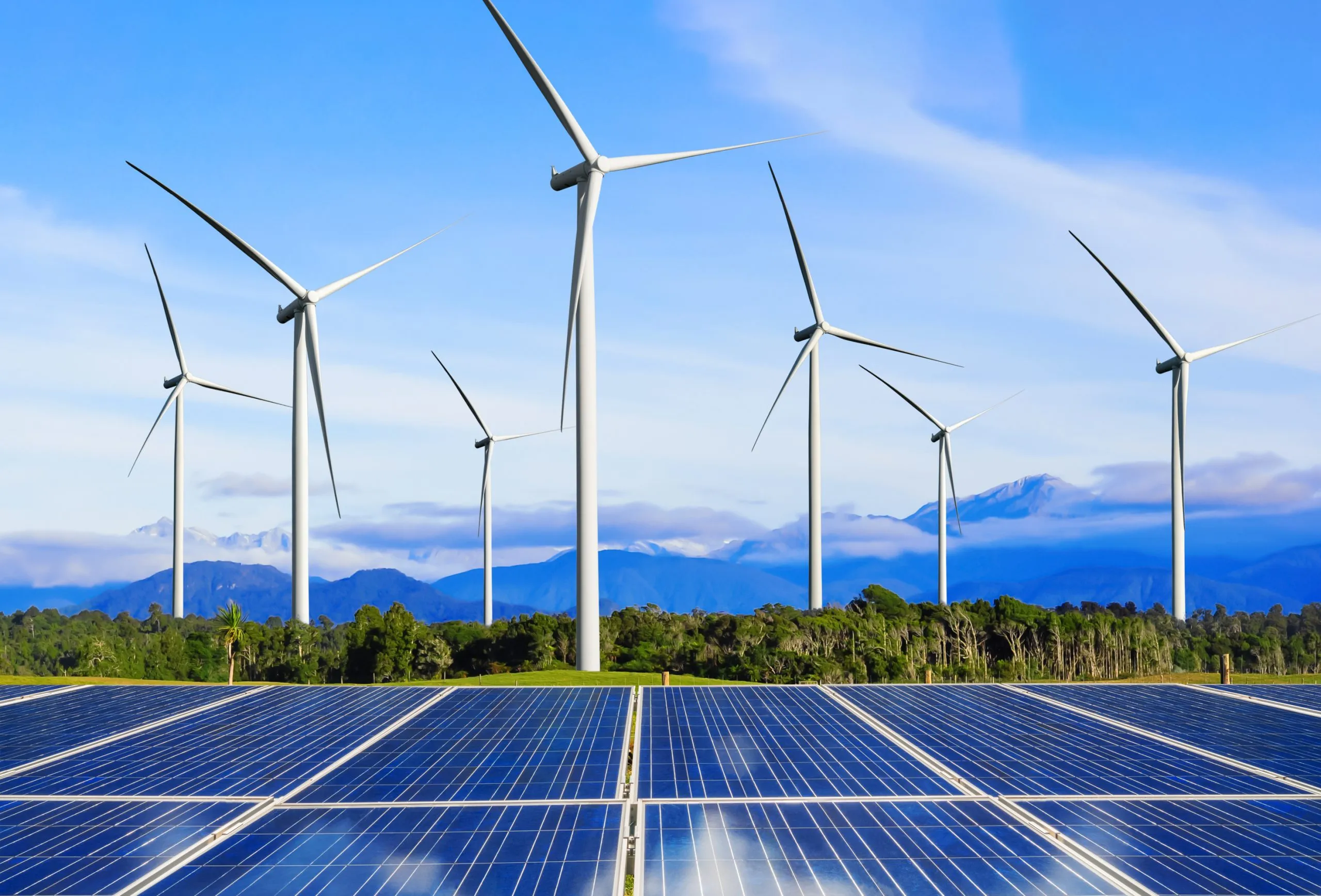
The Philippines’ renewable energy market is entering a period of accelerated growth as the country seeks to diversify its energy mix, enhance energy security, and reduce reliance on imported fossil fuels. Renewables currently account for roughly a fifth of the nation’s electricity generation, with hydropower, geothermal, solar, and wind as key contributors. Growth is driven by robust demand for power, declining technology costs, and policy frameworks that encourage clean energy investment. Market projections indicate a significant expansion in capacity and generation through 2035, positioning renewables as a central element of the Philippines’ long‑term energy strategy.
Key Drivers Fueling the Growth of the Philippines Renewable Energy Sector
Rising Electricity Demand
Economic growth, urbanization, and industrial expansion are increasing power consumption across the Philippines. Electricity demand is forecast to grow steadily over the next decade, creating pressure on the existing grid and fueling investment in additional capacity. Renewable energy provides a scalable solution to meet this rising demand while moderating exposure to volatile fossil fuel import prices.
Policy and Regulatory Support
Government targets under the Philippine Energy Plan aim to boost the share of renewables to 35% of the generation mix by 2030 and 50% by 2040. To support these objectives, mechanisms such as the Green Energy Auction Program are inviting competitive bids for new renewable projects, with plans to add up to 25 GW of new renewable capacity by 2035. These policy frameworks reduce risk for investors and drive capacity additions in solar, wind, and other technologies.
Technology and Cost Trends
Declining costs for solar PV and wind technologies have improved the investment case for renewables. Combined with increasing grid‑access mechanisms and financing options, cost competitiveness has encouraged both utility‑scale and distributed generation projects, including rooftop solar and community wind schemes.
Government Policies and Initiatives Driving Renewable Energy Growth
The Department of Energy has advanced long‑term plans such as the 10‑Year Green Energy Auction Programmer to facilitate the deployment of renewables and secure competitive pricing for power supply. National targets under the Philippine Energy Plan reinforce the renewable share at 35% by 2030 and 50% by 2040, supported by fiscal incentives, streamlined permitting, and regulatory mechanisms designed to attract private and foreign investment.
Key Players and Market Dynamics in the Renewable Energy Sector
The Philippines’ renewable energy sector comprises both local and international developers. Leading participants include established firms operating across solar, wind, hydro, and geothermal segments. Competitive dynamics are shaped by project pipeline scale, access to capital, and technological capabilities. Utility companies and independent power producers are expanding portfolios to capitalize on auction programmers, while new entrants are leveraging financing innovations to build distributed and community‑level renewable installations.
Challenges Facing the Growth of Renewable Energy in the Philippines
Grid and Financing Constraints
Infrastructure limitations and grid integration challenges remain significant. Upgrading transmission and distribution networks to handle higher shares of intermittent renewable generation requires substantial investment. Access to long‑term financing is also constrained, with limited domestic capital available for large‑scale projects. These factors, combined with lingering reliance on coal and natural gas as transitional fuels, continue to constrain the pace of renewable penetration.
Future Outlook
Over the next decade to 2035, the Philippines’ renewable energy market is expected to expand significantly. Market forecasts project a sustained increase in installed renewable capacity and annual generation, supported by policy commitments and declining technology costs. Clean power generation is projected to grow at a solid compound annual rate, with renewable output potentially reaching tens of terawatt‑hours by the mid‑2030s. Continued deployment across solar, wind, hydro, and geothermal will be critical to meeting national energy goals, reducing carbon emissions, and enhancing energy security in a rapidly growing economy.
Consultants at Nexdigm, in their latest publication “Philippines Renewable Energy Market Outlook to 2035,” analyze the sector by System Type (Solar Power Systems, Wind Power Systems, Hydropower Systems, Geothermal Power Systems), By Platform Type (Grid-connected Systems, Off-grid Systems, Hybrid Systems), and By Fitment Type (On-premise Solutions, Cloud-based Solutions, Modular Solutions). Nexdigm suggests that businesses should focus on creating market-relevant context by thoroughly understanding the current industry trends, customer needs, and potential growth opportunities. This involves staying up to date with technological advancements, government policies, and competitive dynamics within the industry. Additionally, companies should consider market demands and tailor their strategies to align with evolving consumer preferences, regulatory shifts, and economic factors. By grounding their business decisions in relevant market insights, companies can better position themselves to capitalize on emerging opportunities and effectively address challenges.
To take the next step, simply visit our Request a Consultation page and share your requirements with us.
Harsh Mittal
+91-8422857704