
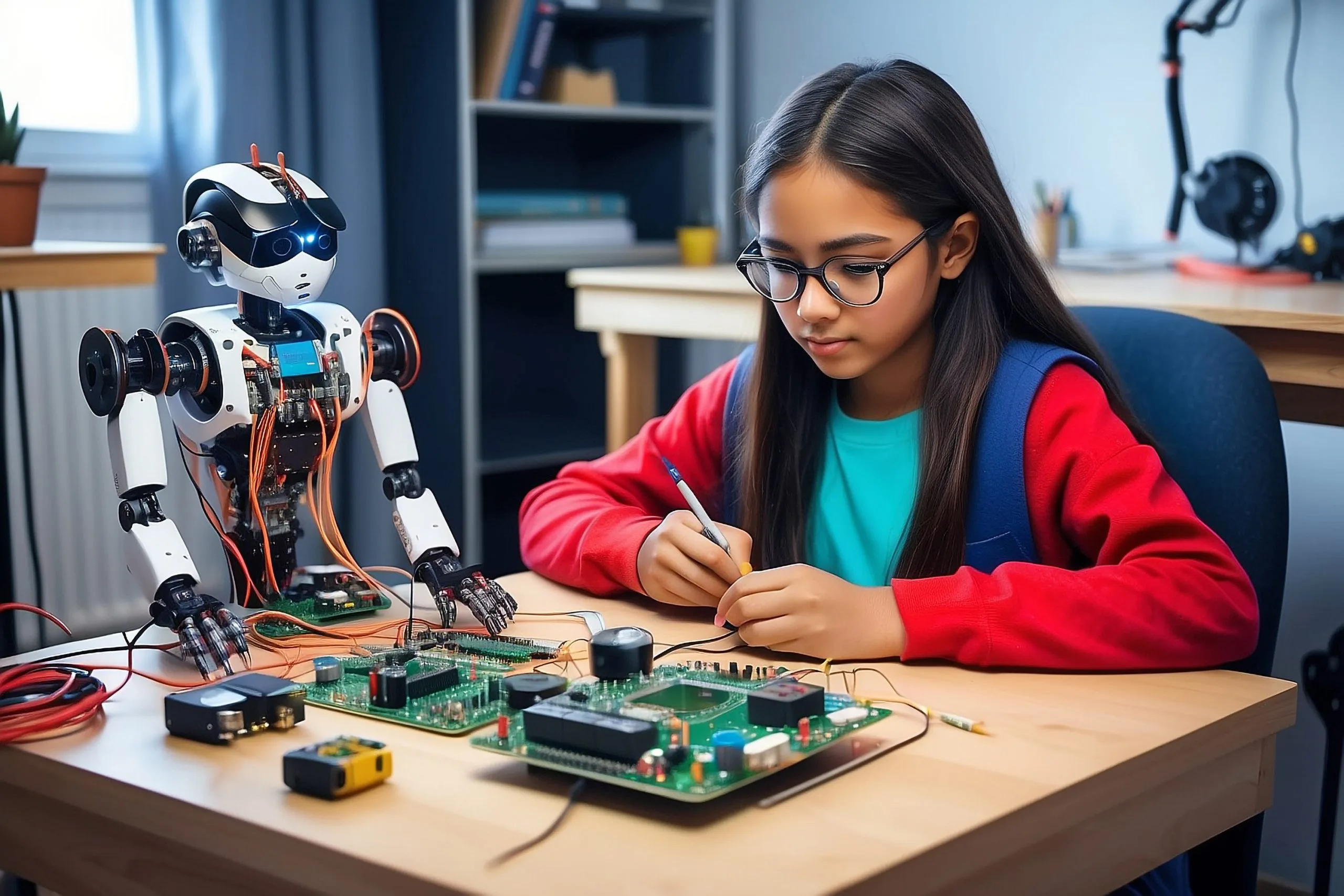
The robotics market in the Philippines is steadily moving from early adoption to a more mainstream growth phase. As businesses across manufacturing, healthcare, and logistics look for ways to improve efficiency, robotics is becoming a practical solution rather than a futuristic concept. The market is expected to grow at a strong double-digit CAGR, potentially reaching around $3–3.5 billion in the coming years. This shift is fueled by rising labor costs, the need for precision, and increasing digital awareness. Over time, robotics is likely to become a key component of the country’s broader automation and economic development strategy.
Factors Driving Robotics Adoption in the Philippines
Increasing Need for Efficiency in Manufacturing
Manufacturing remains one of the biggest drivers of robotics adoption in the Philippines. Companies are under constant pressure to improve productivity while maintaining consistent quality. Robots help handle repetitive and time-consuming tasks, allowing human workers to focus on more skilled roles. This is especially relevant in sectors like electronics and food processing, where precision and speed are critical. As global competition intensifies, local manufacturers are gradually embracing automation to stay competitive.
Expansion of Robotics Beyond Factories
Robotics is no longer limited to factory floors. Hospitals are starting to use robotic systems for assistance in surgeries and patient care, while logistics companies are adopting automation in warehouses to manage inventory more efficiently. Retail and service industries are also exploring robots to enhance customer experience and streamline operations. The growing popularity of flexible models like Robot-as-a-Service is making it easier for businesses to adopt robotics without large upfront costs.
Smarter Technologies Making Robots More Accessible
Advancements in AI, IoT, and cloud computing are making robots smarter and easier to use. Modern systems can analyze data, adapt to changes, and even predict maintenance needs. This not only improves efficiency but also reduces downtime and operational risks.
As technology becomes more affordable, even small and medium-sized businesses are beginning to explore automation solutions.
How Philippines Government is Supporting Robotics Adoption?
The Philippine government is gradually building a supportive environment for robotics and automation through its push for digital transformation and Industry 4.0. Programs encouraging innovation, technology adoption, and skills development are helping businesses transition toward automation. Partnerships between universities, research institutions, and private companies are also strengthening the ecosystem.
These efforts are expected to create a more innovative-friendly environment, making robotics adoption smoother in the coming years.
Market Players within Robotics Industry of the Philippines
The robotics market in the Philippines features a combination of global technology providers and emerging local players. While international companies bring advanced solutions, local firms are focusing on customization and affordability.
Collaborations and partnerships are becoming common as companies aim to expand their capabilities. This mix of competition and cooperation is encouraging innovation and making robotics solutions more accessible across industries.
Key Challenges Slowing Down Robotics Adoption in the Philippines
High Costs and Implementation Barriers
One of the biggest hurdles for robotics adoption is the high initial investment required. Many businesses, especially SMEs, find it difficult to justify the cost despite long-term benefits. In addition, integrating robotics into existing systems can be complex and time-consuming. These challenges can delay adoption, particularly in traditional sectors.
Shortage of Skilled Talent
Another concern is the lack of skilled professionals who can operate and maintain robotic systems. As automation grows, the demand for technical expertise is rising faster than supply. Addressing this gap through training and education will be crucial for sustained market growth.
Future Outlook
Looking ahead, the robotics market in the Philippines is expected to expand significantly as adoption becomes more widespread. Technologies like collaborative robots, AI-driven automation, and service robotics will play a bigger role across industries. As costs gradually decrease, smaller and medium enterprises are likely to invest in robotics. At the same time, continued government support and infrastructure improvements will strengthen the ecosystem. Overall, robotics is set to become an essential part of how businesses operate, helping the Philippines move toward a more efficient and technology-driven economy.
Consultants at Nexdigm, in their latest publication Philippines Robotics Market Outlook to 2035, analyze the sector by Platform Type (Mobile Platform, Stationary Platform, Integrated Platform, Modular Platforms and Robotic arms), by Procurement Type (Direct Procurement, Government Tenders, Private sector Procurement, Online bidding Platforms, Third party distributors).
Nexdigm suggests that businesses in the Philippines must invest in robotics and automation to boost operational efficiency, lower costs, and maintain a competitive edge in the fast-changing market. By adopting advanced robotics technologies, companies can optimize manufacturing, enhance product quality, and meet the increasing demand for faster, more precise outcomes.
To take the next step, simply visit our Request a Consultation page and share your requirements with us.
Harsh Mittal
+91-8422857704