
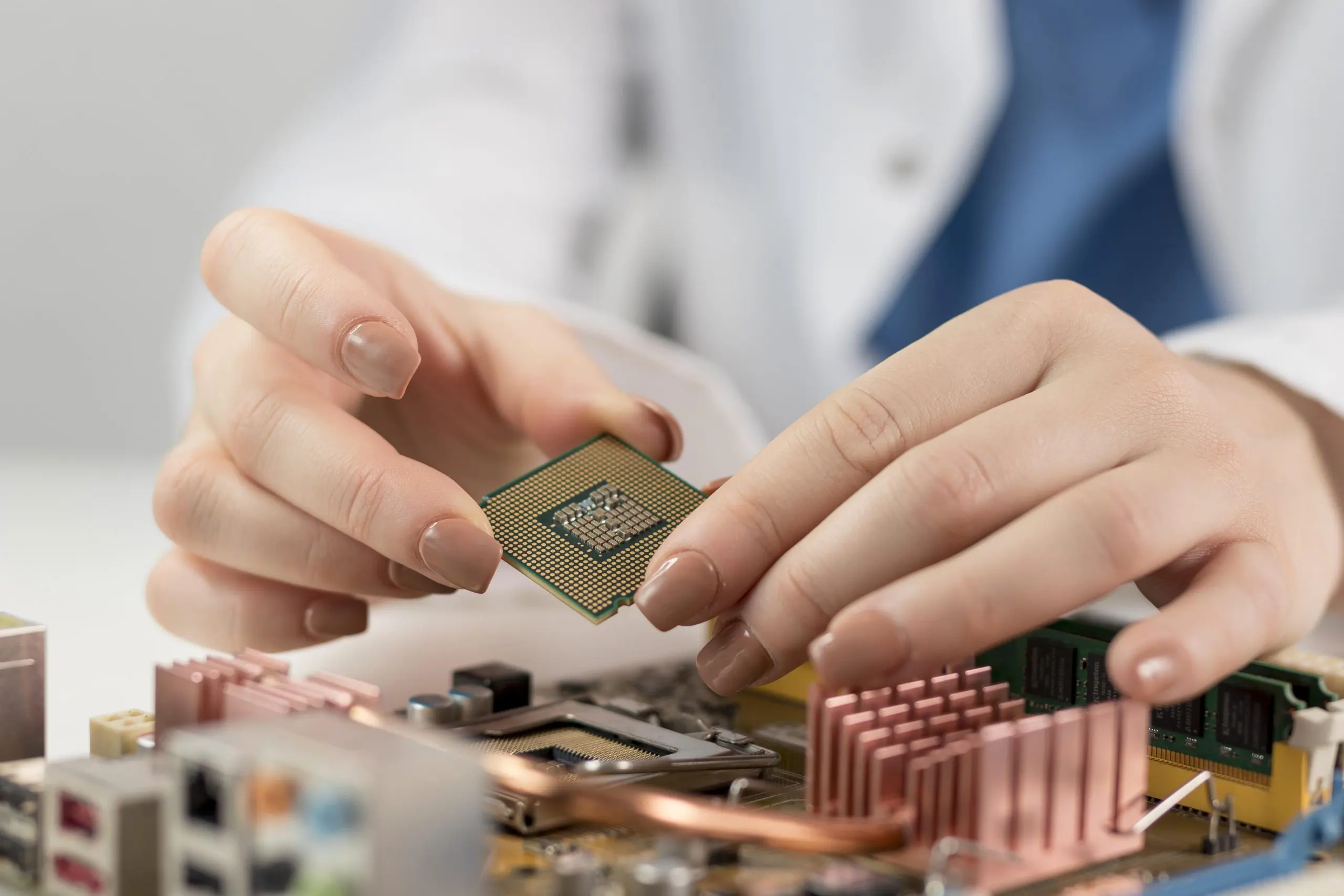
The Philippines is gradually strengthening its position in the global semiconductor value chain, especially in assembly, testing, and packaging. The country already plays a major role in electronics exports, with semiconductors contributing a significant share of the more than 50% export contribution from electronics. Globally, the semiconductor industry is reaching height with 8–10% growth annually, supported by demand from smart technology and consumer electronics. The Philippines is benefiting from this trend as companies look to diversify production beyond traditional hubs. With its established manufacturing base and growing investment inflows, the country is becoming an important and reliable part of the global supply chain.
What’s Driving Semiconductor Growth in the Philippines?
Strong Electronics Manufacturing Base
A key strength of the Philippines is its well-established electronics manufacturing ecosystem. Many global companies already operate assembly and testing facilities in the country, making it a key export hub for semiconductor-related products. With electronics accounting for over half of total exports, the sector continues to attract reinvestment and expansion. As demand grows, companies are upgrading operations and increasing capacity to stay competitive.
Shift in Global Supply Chains
Global supply chain diversification is playing a major role in the country’s growth. Many companies are shifting production to reduce dependence on single regions and improve resilience.
The Philippines is benefiting from this shift due to its skilled workforce, cost advantages, and established electronics industry. This is leading to increased investments in semiconductor assembly and testing operations.
Rising Demand from Emerging Technologies
Growing demand for semiconductors from sectors like automotive electronics, AI devices, and smart consumer products is also supporting market expansion. The global semiconductor market is expected to reach over USD 1 trillion in the next decade. The Philippines is well-positioned to support these needs through its strong back-end manufacturing capabilities, which are critical for global supply chains.
Government Support and Industry Initiatives to boost Semiconductor Market of the Philippines
The Philippine government is actively supporting semiconductor growth through investment incentives, tax benefits, and export-focused policies. Special economic zones and agencies like PEZA are helping attract foreign investors to the electronics sector. At the same time, training programs and partnerships with global companies are improving workforce skills. These efforts are helping build a more competitive and sustainable semiconductor ecosystem.
Competitive Landscape of the Semiconductor Market
The market is primarily driven by global semiconductor and electronics companies that operate large-scale facilities in the country. These firms focus mainly on assembly, testing, and packaging activities. Local companies play a supporting role in services and supply chain operations. Collaboration between international and domestic players is helping improve efficiency and strengthen the overall industry structure.
Challenges Facing the Semiconductor Industry
Limited High-Value Manufacturing Presence
One of the key limitations is the country’s focus on lower-value segments like assembly and testing, with limited involvement in advanced chip fabrication.
Moving into higher-value activities such as chip design and wafer production will require significant investment and technical expertise.
Infrastructure and Operational Constraints
Infrastructure challenges, including energy costs and logistics efficiency, also affect competitiveness. Semiconductor manufacturing requires highly stable and reliable systems.
Improving infrastructure quality will be important for attracting more advanced semiconductor investments in the future.
Future Outlook
The Philippines semiconductor market is expected to grow steadily as global demand for chips continues to rise. The country will likely remain strong in assembly, testing, and packaging while gradually expanding into more advanced activities. With the Emerging Technologies and Innovations, they will continue to drive demand for semiconductors, creating new opportunities for growth. With continued government support, foreign investment, and workforce development, the Philippines is well-positioned to strengthen its role in the global supply chain. Over time, the sector is expected to become more advanced and integrated, supporting long-term industrial development and economic growth.
Consultants at Nexdigm, in their latest publication Philippines Semiconductor Manufacturing Market Outlook to 2035, analyze the sector by System Type (Fabrication Equipment, Test Equipment, Assembly and Packaging Equipment and Wafer Manufacturing Equipment), by Fitment Type (On-premises Solution, Cloud Solutions, Hybrid Solutions and Integrated Solutions).
Nexdigm suggests that businesses should focus on building strategic partnerships, investing in advanced technologies, and strengthening local capabilities to stay competitive. Embracing innovation, upskilling talent, and aligning with government initiatives will help companies navigate challenges, reduce dependency on imports, and tap into emerging opportunities in Philippines’ growing semiconductor ecosystem.
To take the next step, simply visit our Request a Consultation page and share your requirements with us.
Harsh Mittal
+91-8422857704