
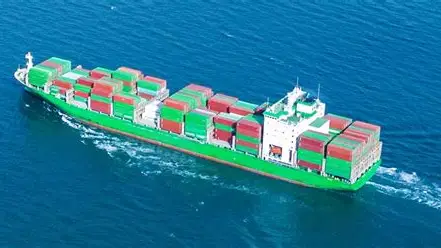
The Philippines Shore Power Systems Market is gaining momentum as the country strengthens its maritime infrastructure, modernizes ports, and advances sustainable shipping initiatives. Shore power systems, also known as onshore power supply (OPS) or cold ironing, allow docked vessels to connect to local electricity networks and shut down onboard diesel generators, reducing emissions, fuel consumption, and noise pollution. As an archipelagic nation with over 7,600 islands and a maritime sector that handles more than 8 million TEUs of container traffic annually, the Philippines relies heavily on efficient port operations. Increasing cargo volumes, port modernization projects, and environmental sustainability goals are expected to support shore power system adoption through 2035.
Key Market Drivers for the Philippines’ Shore Power Systems Market
Port Modernization and Rising Container Traffic Accelerate Shore Power Demand
The Philippines continues to strengthen its position as a major maritime economy in Southeast Asia through ongoing modernization of key ports such as Manila International Container Terminal (MICT), Port of Batangas, Port of Cebu, and Subic Bay. The country’s ports collectively handle more than 8 million TEUs of container traffic annually, while over 90% of the nation’s domestic and international trade by volume moves through maritime transport. Growing cargo volumes, increasing vessel calls, and terminal expansion projects are driving demand for advanced port electrification solutions. Shore power systems enable ports to improve operational efficiency, reduce emissions, and align with international sustainability standards while supporting higher throughput volumes.
Expanding Inter-Island Shipping Network Creates Significant Opportunities
As an archipelagic nation comprising more than 7,600 islands, the Philippines operates one of the largest domestic maritime transportation networks in Asia. Thousands of passenger ferries, Ro-Ro vessels, cargo ships, and support vessels connect major economic centers and regional communities daily. With maritime transport serving as a critical backbone of domestic commerce and passenger mobility, ports are increasingly seeking cleaner and more efficient energy solutions. Shore power systems provide a practical way to reduce fuel consumption and emissions from vessels during lengthy docking periods, particularly in high-traffic passenger and cargo terminals.
Maritime Sustainability and Cruise Tourism Growth Support Adoption
The Philippines is increasingly aligning with global maritime decarbonization goals and International Maritime Organization (IMO) emissions-reduction initiatives. At the same time, the country continues to attract growing cruise tourism activity across destinations such as Manila, Boracay, Palawan, and Cebu. Cruise vessels can consume substantial amounts of fuel while berthed, creating strong demand for shore-side power infrastructure. As port authorities pursue greener operations and shipping operators to strengthen ESG commitments, investment in shore power systems is expected to increase significantly across commercial shipping and passenger-port applications.
Government Initiatives Supporting the Philippines’ Shore Power Systems Market
The Philippine government is supporting maritime modernization through infrastructure programs under the Build Better More initiative and long-term transportation development plans. Billions of dollars are being invested in ports, logistics corridors, and intermodal transport infrastructure. The government is also promoting cleaner transportation systems and sustainable infrastructure to support environmental goals and economic competitiveness. These initiatives are creating favorable conditions for shore power deployment and port electrification across major maritime hubs.
Competitive Landscape of the Philippines’ Shore Power Systems Market
The Philippines Shore Power Systems Market is evolving as port authorities, shipping operators, terminal managers, and infrastructure developers prioritize sustainable maritime operations. Competition is increasingly focused on high-voltage shore connection systems, power-conversion technologies, energy-management platforms, and compliance with international standards such as IEC/IEEE 80005. Market participants are investing in scalable electrification solutions, digital port management systems, and grid-integration technologies to support growing cargo throughput and environmental performance requirements.
Major Challenges Facing the Philippines’ Shore Power Systems Market
High Infrastructure Investment Requirements
The deployment of shore power systems requires significant investment in substations, transformers, cable management equipment, grid connections, and frequency-conversion systems. These infrastructure costs can create barriers for widespread adoption across smaller and regional ports.
Grid Reliability and Technical Integration Challenges
Reliable shore power operations depend on stable electricity supply and compatibility between vessels and port-side infrastructure. Strengthening grid reliability and standardizing technical requirements across ports will be important for long-term market expansion.
Future Outlook
The Philippines Shore Power Systems Market is expected to witness robust growth through 2035, supported by annual container throughput exceeding 8 million TEUs, a domestic shipping network serving more than 7,600 islands, and continued investments under the Build Better More infrastructure program. As over 90% of the country’s trade volume moves through maritime transport, demand for efficient and sustainable port operations is expected to increase significantly. Growing cruise tourism, modernization of major ports such as Manila, Batangas, Cebu, and Subic, and increasing alignment with IMO decarbonization targets will further accelerate shore power adoption. Additionally, investments in smart ports, digital logistics platforms, and green shipping corridors are expected to create substantial opportunities for advanced shore-side electrification technologies across commercial and passenger terminals.
Consultants at Nexdigm, in their latest publication “Singapore Shore Power Systems Market to 2035,” analyse the sector By Vessel Type (Feeder Vessels, Panamax Class and Post-Panamax Class), By Frequency Standard (50Hz Systems and 60Hz Systems) and By Installation Type (Land-Side Fixed Infrastructure, Mobile Shore Power Barges and Containerized Shore Power Units).
Nexdigm suggests that businesses in the Philippines Shore Power Systems Industry prioritize IEC/IEEE 80005-compliant shore connection systems, advanced power-conversion technologies, smart port energy-management platforms, and scalable electrification solutions to capitalize on the country’s 8 million+ TEU container throughput, expanding port modernization projects, growing inter-island shipping network, and increasing demand for sustainable and low-emission maritime operations across commercial and passenger ports.
To take the next step, simply visit our Request a Consultation page and share your requirements with us.
Harsh Mittal
+91-8422857704