
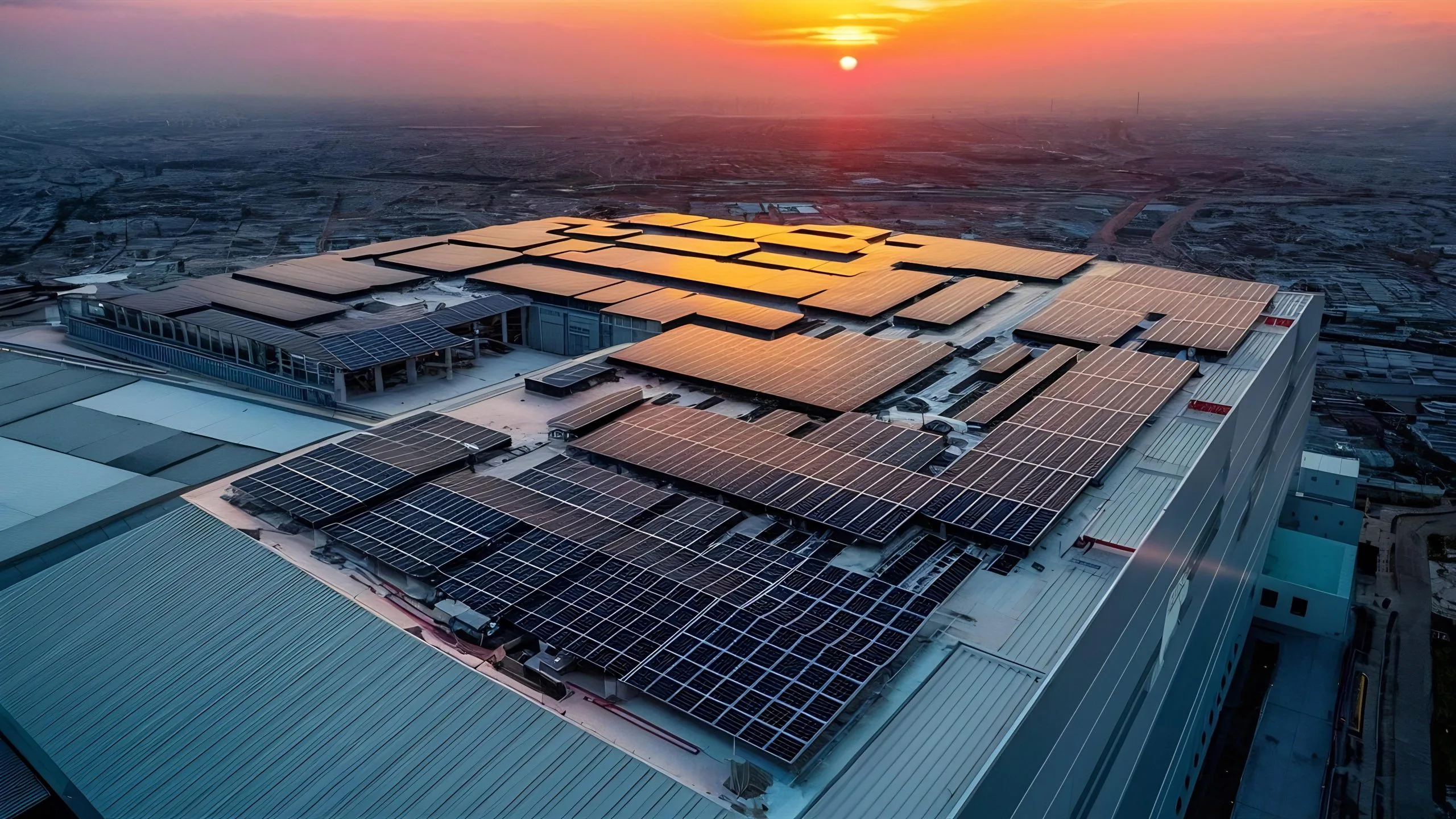
The solar Engineering, Procurement, and Construction (EPC) sector in the Philippines is poised for sustained expansion through 2035, underpinned by robust demand for renewable energy and declining photovoltaic (PV) system costs. Solar capacity in the country has been growing rapidly, with installed solar exceeding 2 GW by 2024 and rising installations driven by both utility‑scale and distributed segments. As energy prices remain high relative to regional peers, commercial, industrial, and utility, customers increasingly favour solar solutions that provide predictable long‑term electricity costs. Continued policy support and auction mechanisms are expected to expand EPC opportunities over the next decade.
Main Factors Fueling Growth in the Philippines Solar EPC Market
Rapid Capacity Expansion and Demand
The Philippines solar sector has recorded significant capacity growth, with cumulative solar PV installations expanding year‑on‑year. Installed capacity was reported above 2.3 GW by the end of 2024, a marked increase from earlier years, and market forecasts show strong growth through the next decade. Utility‑scale solar projects are dominating additions as developers respond to auction allocations and corporate power purchase agreements (PPAs) that lock in long‑term power pricing, making solar EPC services increasingly essential.
Declining Technology and Balance of System Costs
Falling costs of PV modules, inverters, and balance‑of‑system components have improved project economics, making new solar capacity one of the least‑cost sources of generation. Utility‑scale solar levelized costs have declined to competitive levels with conventional generation alternatives, encouraging larger EPC pipelines. The adoption of higher‑efficiency modules and integrated storage systems further enhances project value and expands scope for EPC contractors offering hybrid solutions.
Government Policies and Initiatives Driving Solar Energy Adoption
Government policy frameworks have reinforced solar deployment, including renewable energy targets and competitive auction programs. The Department of Energy’s Green Energy Auction Program (GEAP) has allocated multiple gigawatts of capacity to renewable projects, predominantly solar, helping solidify project pipelines. Supportive incentives, tax provisions, and the Renewable Energy Act’s implementation improve investment certainty for developers and EPC firms, facilitating long‑term market growth as the Philippines pursues a higher renewable share in its energy mix.
Overview of Key Players and Competition in the Solar EPC Market
The Philippines solar EPC market comprises local and regional contractors competing for utility‑scale, commercial, and distributed solar assignments. Though data on specific EPC players is limited in public sources, the broader power EPC sector includes established firms active in renewable and infrastructure projects. As solar auctions and corporate offtake agreements increase, EPC firms with execution experience, engineering capability, and supply‑chain partnerships are positioned to win larger contracts across project scales.
Key Challenges Hindering Growth in the Solar EPC Market
Grid Integration and Infrastructure Constraints
Despite strong demand, grid congestion and transmission limitations present bottlenecks for timely solar project integration. Areas with limited grid capacity can delay interconnection and constrain project development.
Permitting and Regulatory Hurdles
Complex permitting processes and variability in local approvals can extend project timelines, increasing cost risk for EPC contractors and developers. These challenges underscore the need for streamlined regulatory processes to maintain the sector’s growth trajectory.
Future Outlook
Through 2035, the Philippines solar EPC market is expected to expand in line with broader solar energy growth. National forecasts project strong increases in solar generation volume, with some analyses estimating a multi‑fold rise in solar output by 2035 at a near 18 % compound annual growth rate. Continuous policy support, competitive procurement, and declining technology costs will underpin EPC demand across utility‑scale and distributed segments. Further integration of energy storage and hybrid systems will broaden project complexity and opportunity, shaping EPC service requirements as the country transitions toward cleaner energy pathways.
Consultants at Nexdigm, in their latest publication “Philippines Solar EPC Market Outlook to 2035,” analyze the sector by System Type (Solar PV Systems, Solar Thermal Systems, Concentrated Solar Power (CSP) Systems, Off-Grid Solar Systems), By Platform Type (Residential Platforms, Commercial Platforms, Utility-Scale Platforms), and By Fitment Type (On-grid Systems, Off-grid Systems, Hybrid Systems). Nexdigm suggests that businesses should consider understanding the evolving dynamics of their target markets. This includes keeping an eye on emerging trends, regulatory changes, and the competitive landscape to make informed strategic decisions. By staying updated on market demands, technological advancements, and customer preferences, businesses can effectively position themselves for growth and innovation. In particular, they should focus on adopting flexible and scalable business models, ensuring they can adapt to changes in the market and continuously meet the evolving needs of their customers.
To take the next step, simply visit our Request a Consultation page and share your requirements with us.
Harsh Mittal
+91-8422857704
[email protected]