
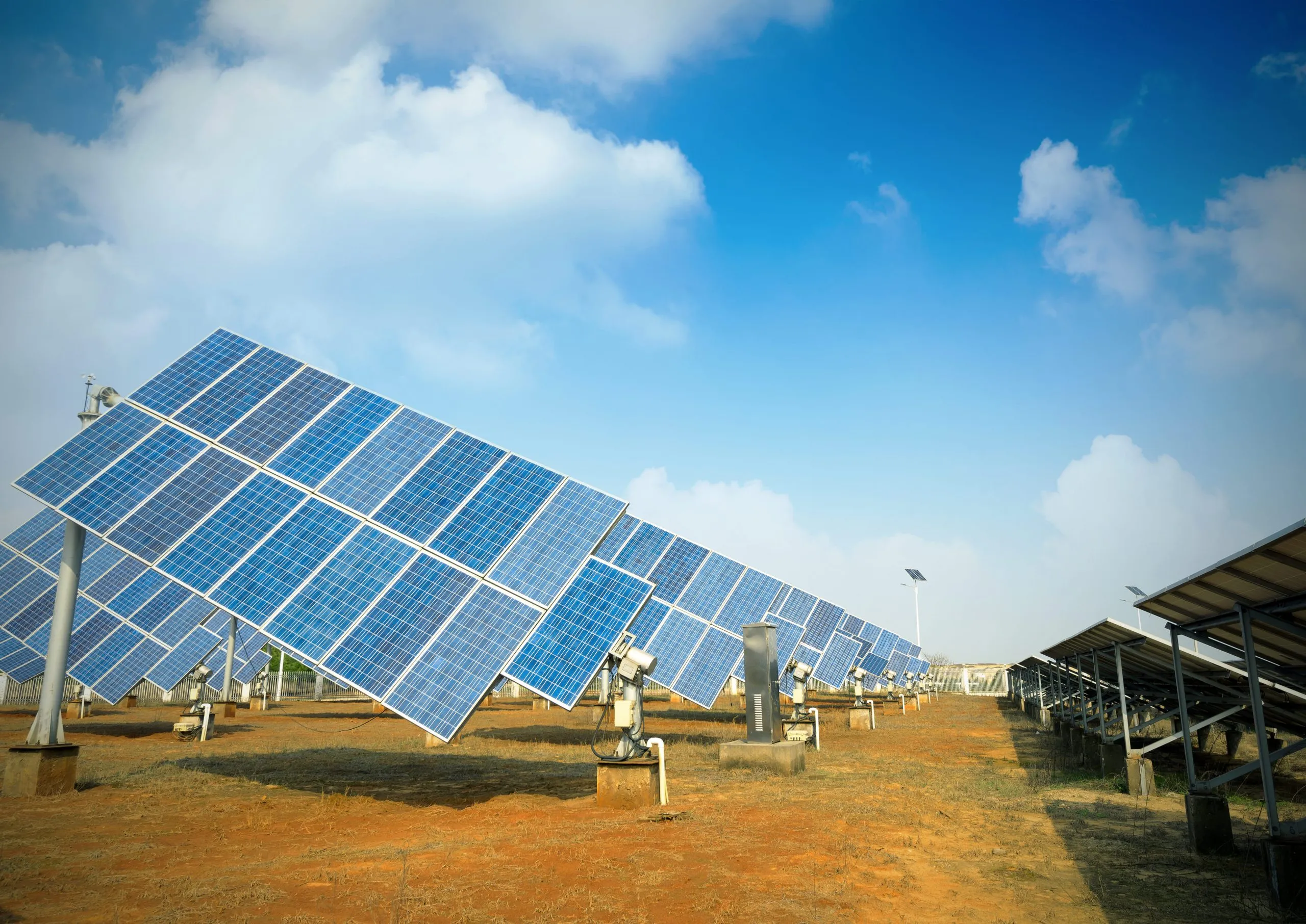
The Philippines solar PV market has moved well beyond its early adoption phase and is now becoming a central part of the country’s long-term power strategy. Rising electricity prices, frequent supply concerns, and heavy dependence on imported coal and fuel have pushed both businesses and policymakers to look seriously at solar energy. In 2026, the country remains one of the more active renewable energy markets in Southeast Asia, with utility-scale solar farms appearing across Luzon, Visayas, and parts of Mindanao. At the same time, rooftop installations are becoming more common in industrial parks, shopping complexes, and even middle-income residential communities. While solar adoption still faces infrastructure bottlenecks, the direction of the market is becoming harder to ignore.
What’s Driving the Solar PV Market in the Philippines?
High Electricity Prices Are Changing Buyer Behavior
Electricity costs in the Philippines remain among the highest in Southeast Asia, and that reality is forcing companies to rethink energy sourcing. For manufacturers operating around Metro Manila or Cebu, power bills now directly affect operating margins. In practice, this has made rooftop solar less of a sustainability statement and more of a financial decision. Commercial buildings, cold storage facilities, and retail chains are gradually adding solar systems to offset daytime consumption. Some businesses report payback periods of five to seven years, which is becoming attractive given the volatility of fuel-linked electricity pricing. Residential consumers are also showing interest, although upfront installation costs still limit adoption outside urban middle- and upper-income households.
Government Policies Have Opened the Door for Investment
One reason the market has accelerated faster over the past few years is regulatory flexibility. The Philippine government relaxed foreign ownership rules for renewable energy projects, making the sector far more accessible to international developers and infrastructure funds. Programs such as the Green Energy Auction Program have also helped create visibility for future capacity additions. On the ground, developers still mention delays in permits and grid approvals, but compared to a decade ago, the investment climate looks considerably more practical. Net metering policies have further encouraged smaller commercial users to experiment with rooftop systems, especially in areas where grid reliability remains inconsistent.
Falling Technology Costs Are Reshaping the Economics
Solar panel prices have declined sharply over the last decade, but the bigger shift now comes from battery storage and inverter improvements. A few years ago, energy storage was often viewed as too expensive for widespread deployment in the Philippines. That conversation is changing. Industrial operators are increasingly pairing solar installations with battery systems to reduce dependence on diesel generators during outages. Some island communities and remote resorts are also adopting hybrid solar-storage setups because transporting fuel remains expensive and unreliable. While imported equipment still dominates the supply chain, lower component costs have made projects financially workable at a much broader scale than before.
Government-Led Initiatives
The Philippine government continues to push renewable energy as part of its broader energy security agenda. Solar plays a major role in that transition because it can be deployed relatively quickly compared to large hydro or geothermal projects. State-backed renewable auctions have already awarded several gigawatts of planned solar capacity, attracting both local conglomerates and foreign investors. Off-grid electrification is another area receiving attention. Thousands of islands across the Philippines still face inconsistent access to electricity, and extending traditional transmission infrastructure to remote areas is often uneconomical. Small-scale solar microgrids are becoming a realistic alternative for these regions, particularly for schools, clinics, and local businesses.
Market Competition and Industry Landscape
The Philippines solar PV market remains moderately fragmented. Companies such as ACEN Corporation, First Gen Corporation, Solar Philippines, Trina Solar, and Sungrow Power Supply continue to expand their presence through utility-scale projects and commercial partnerships. Competition has become more intense in the commercial and industrial rooftop segment, where engineering firms, EPC contractors, and foreign technology suppliers are all competing for long-term clients. A noticeable trend is the rise of energy-as-a-service models, where businesses install solar systems with minimal upfront capital through leasing or power purchase agreements.
Grid Infrastructure Remains a Key Challenge
One issue the industry cannot easily sidestep is grid infrastructure. Several parts of the country still struggle with transmission congestion and weak interconnection capacity, especially in island regions. Solar farms are being developed faster than some grid upgrades can accommodate. In reality, this creates a frustrating situation for developers. Projects may secure financing and permits but still face delays connecting to the grid. Energy storage helps, but it does not fully solve transmission limitations. Unless grid modernization keeps pace with renewable additions, the market could face periods of oversupply in some regions and shortages in others.
Future Outlook
The Philippines solar PV market will likely look very different by 2035. Utility-scale projects are set to expand, but much of the real momentum may come from decentralized energy systems – rooftop solar, battery-backed commercial installations, and localized microgrids. Large corporations are under growing pressure to cut emissions, and renewable procurement is becoming part of long-term operational planning rather than a branding exercise.
Consultants at Nexdigm, in their latest publication “Philippines Solar PV Market Outlook to 2035”, analyzed the market by Deployment Type (Utility-Scale, Commercial & Industrial Rooftop, Residential Rooftop, Off-Grid Systems), By Technology (Monocrystalline, Polycrystalline, Thin-Film), By End User (Residential, Commercial, Industrial, Utilities), and By Region (Luzon, Visayas, Mindanao). Nexdigm believes companies entering this market should pay close attention to grid-connected storage, localized partnerships, and long-term maintenance capabilities, since operational reliability will matter just as much as installation capacity over the next decade.
To take the next step, simply visit our Request a Consultation page and share your requirements with us.
Harsh Mittal
+91-8422857704