
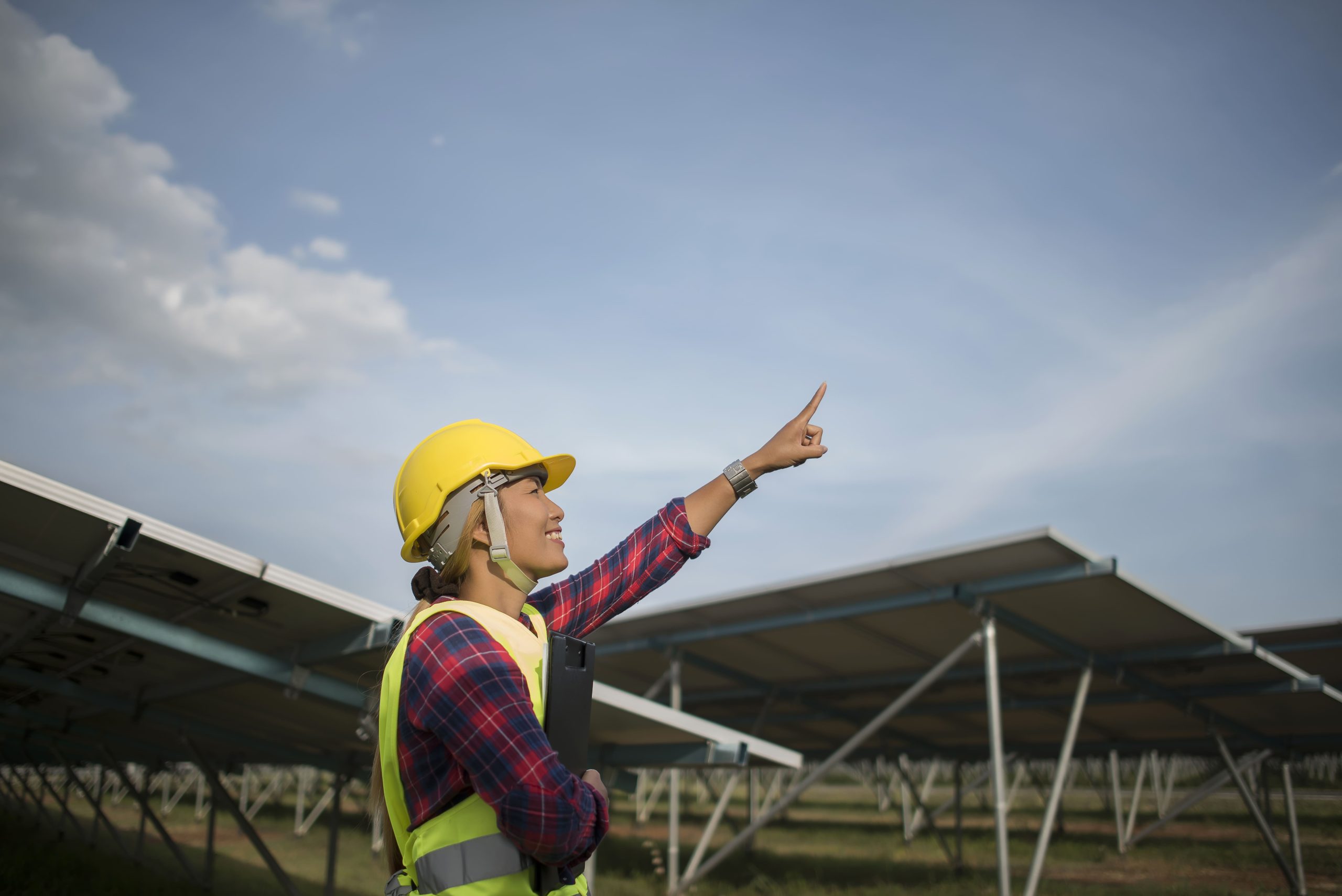
The Philippines Solar PV Mounting Systems Market is witnessing rapid growth as the country accelerates renewable energy deployment to strengthen energy security and reduce dependence on imported fossil fuels. Installed solar PV capacity in the Philippines has surpassed 3 GW, with a strong pipeline of utility-scale solar farms and distributed rooftop projects under development. Rising electricity prices, growing power demand, and the government’s target to increase the share of renewable energy to 35% by 2030 and 50% by 2040 are driving significant investments in solar infrastructure. As solar adoption expands across commercial, industrial, residential, and utility-scale applications, demand for durable, typhoon-resistant mounting systems is expected to increase substantially through 2035.
Key Market Drivers for the Philippines Solar PV Mounting Systems Market
Large-Scale Utility Solar Pipeline Drives Demand for Ground-Mounted Structures
The Philippines is rapidly emerging as one of Southeast Asia’s fastest-growing solar markets, with installed solar PV capacity exceeding 3 GW and a development pipeline that includes several additional gigawatts of utility-scale projects. Through the government’s Green Energy Auction Program (GEAP), more than 5 GW of renewable energy capacity has been awarded across multiple bidding rounds, with solar accounting for a significant share. This expanding project pipeline is creating substantial demand for ground-mounted racking systems, pile-driven foundations, tracker-compatible structures, and high-strength support frameworks capable of supporting large-scale solar farms across Luzon, Visayas, and Mindanao.
Rising Commercial and Industrial Electricity Costs Accelerate Rooftop Solar Adoption
The Philippines continues to have some of the highest electricity prices in Southeast Asia, prompting businesses to invest in solar energy to reduce operating costs and improve energy security. Manufacturing facilities, industrial parks, logistics centers, shopping malls, and office complexes are increasingly adopting rooftop solar systems. Additionally, the country receives approximately 1,800–2,300 sunshine hours annually, providing favorable conditions for solar generation. This growing commercial and industrial solar market is driving demand for lightweight rooftop mounting systems, modular racking structures, and corrosion-resistant support solutions designed for diverse roof types.
Increasing Need for Typhoon-Resistant Solar Infrastructure Fuels Advanced Mounting System Adoption
The Philippines experiences an average of 20 tropical cyclones annually, with several making landfall and bringing extreme wind speeds and heavy rainfall. As solar investments increase, developers are prioritizing mounting systems engineered to withstand wind loads exceeding 250 km/h in high-risk regions. This has led to growing adoption of reinforced galvanized steel structures, elevated solar mounting designs, deep-foundation systems, and advanced engineering standards that improve asset protection and long-term project reliability. The demand for climate-resilient mounting technologies is expected to remain a key growth driver as solar deployment expands nationwide.
Government Support and Initiatives Supporting the Philippines Solar PV Mounting Systems Market
The Philippines Solar PV Mounting Systems Market is benefiting from strong government support through the Renewable Energy Act, Green Energy Auction Program (GEAP), and Renewable Portfolio Standards (RPS). The government aims to increase renewable energy’s share in the power generation mix to 35% by 2030 and 50% by 2040, creating substantial opportunities for solar project development. Additionally, policies allowing 100% foreign ownership of renewable energy projects have attracted significant international investment, accelerating demand for mounting structures, solar trackers, and supporting infrastructure across utility-scale and distributed solar installations.
Competitive Landscape of the Philippines Solar PV Mounting Systems Market
The Philippines solar PV mounting systems market is becoming increasingly competitive as international mounting system manufacturers, regional EPC companies, local steel fabricators, and solar engineering firms expand their presence. Competition is focused on typhoon resistance, corrosion protection, installation efficiency, and lifecycle cost optimization. Given the country’s exposure to extreme weather events and coastal environments, companies are investing in hot-dip galvanized steel structures, marine-grade aluminum mounting systems, and advanced tracker technologies. Strategic partnerships between project developers, EPC contractors, and mounting system providers are becoming more common as utility-scale solar deployment accelerates nationwide.
Major Challenges Facing the Philippines Solar PV Mounting Systems Market
Exposure to Extreme Weather Conditions
Frequent typhoons, heavy rainfall, flooding, and strong wind loads increase engineering and structural requirements for solar mounting systems. Manufacturers must develop highly durable solutions capable of maintaining performance under challenging environmental conditions.
Grid Constraints and Project Execution Delays
Transmission bottlenecks, interconnection challenges, and permitting delays can slow the pace of solar project implementation in certain regions. These factors may impact mounting system demand timelines despite the country’s strong solar development pipeline.
Future Outlook
Looking ahead to 2035, the Philippines Solar PV Mounting Systems Market is expected to witness robust growth, supported by the country’s ambitious renewable energy targets and an expanding solar project pipeline. The Philippines aims to increase the share of renewable energy in its power generation mix to 35% by 2030 and 50% by 2040, which is expected to drive substantial solar capacity additions nationwide. With installed solar PV capacity already exceeding 3 GW and more than 5 GW of renewable energy capacity awarded under the Green Energy Auction Program (GEAP), demand for mounting structures and solar tracking systems is projected to rise significantly. Future growth will be fueled by utility-scale solar parks, commercial rooftop installations, agrivoltaic projects, and emerging floating solar developments. Additionally, increasing investments in typhoon-resistant mounting systems, corrosion-resistant materials, and tracker technologies capable of improving energy output by 15%–25% will create significant opportunities for mounting system manufacturers as the Philippines strengthens its solar infrastructure through 2035.
Consultants at Nexdigm, in their latest publication “Philippines Solar PV Mounting Systems Market Outlook to 2035,” analyse the sector By Mounting System Technology (Aluminum Rail-Based Frames, Galvanized Steel Ground Mounts and Flush-Mount Roof Clamps), By Project Application Segment (Utility-Scale Ground Projects and Floating Solar Power Plants) and By Load Bearing Material (Extruded Aluminum Alloy, Hot-Dip Galvanized Steel, High-Density Polyethylene).
Nexdigm suggests that businesses in the Philippines Solar PV Mounting Systems Market prioritize typhoon-resistant mounting structures, corrosion-resistant materials, and advanced solar tracking technologies to capitalize on growing renewable energy investments, expanding solar capacity, and increasing demand for resilient solar infrastructure across utility-scale, commercial, and industrial applications.
To take the next step, simply visit our Request a Consultation page and share your requirements with us.
Harsh Mittal
+91-8422857704