
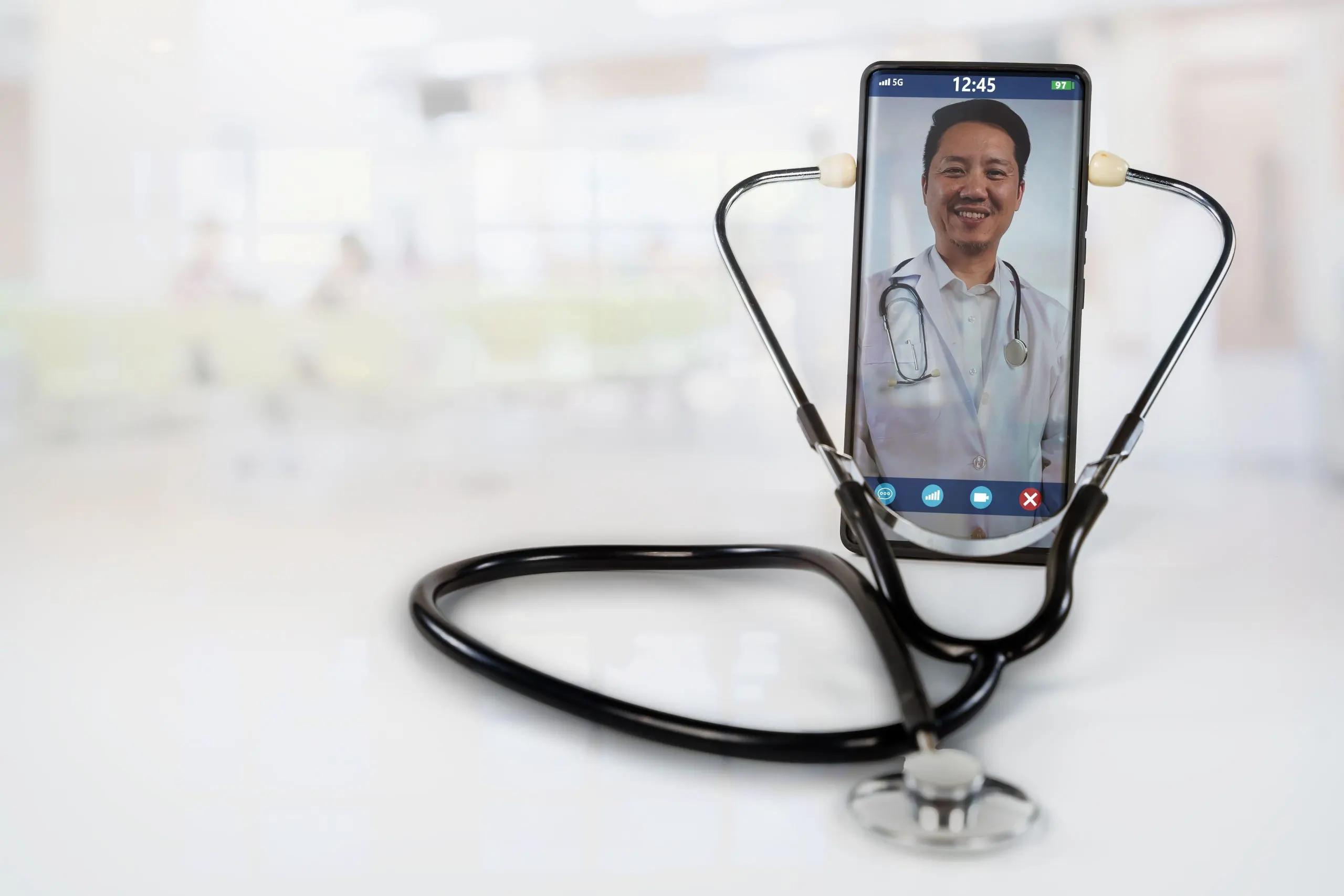
The Philippines has long faced a practical healthcare problem: patients and doctors are often separated by distance. With thousands of islands, patchy specialist coverage, and crowded hospitals in major cities, reaching care can take time and money. Telemedicine has moved from a temporary convenience to a useful part of the healthcare system. What started as pandemic-era necessity has now become routine for many families seeking consultations, prescription renewals, follow-ups, and mental wellness support. By 2026, online consultations are no longer limited to Metro Manila professionals. Provincial users, overseas Filipino families booking care for relatives, and employers offering virtual health benefits are all part of the customer base. The next decade looks promising, but growth will depend less on hype and more on reliability, affordability, and trust.
What’s Driving the Telemedicine Market in the Philippines?
Mobile-First Consumer Behavior
The Philippines is one of the most mobile-connected markets in Southeast Asia, and that matters more than many headline statistics suggest. A large share of users access the internet through smartphones rather than desktops. For telemedicine providers, this means simple apps, lightweight video tools, and chat consultation features often perform better than complicated platforms. In practice, many patients prefer sending symptoms through chat first, then shifting to a call only if needed. This suits younger users, busy parents, and workers squeezing appointments into lunch breaks. Convenience, rather than technology alone, is what keeps usage active.
Uneven Access to Doctors Across Regions
Healthcare resources remain concentrated in urban centers such as Manila, Cebu, and Davao. Outside these hubs, specialist access can be limited, and travel may involve ferries, buses, or long road journeys. Telemedicine reduces that friction. A dermatology review, pediatric follow-up, or internal medicine consultation can often happen without losing an entire day. This matters most for recurring care. Patients managing blood pressure or diabetes do not always need a clinic visit every time. Remote consultations save time for both doctors and households, which is why repeat usage tends to be stronger than first-time usage.
Rising Demand for Preventive and Mental Health Services
Another shift is quieter but important. More consumers now seek help before conditions worsen. Nutrition advice, therapy sessions, sleep consultations, stress management, and early-stage chronic care are finding space online. Mental health support in particular benefits from privacy and convenience, especially for users hesitant to visit a physical clinic. That said, telemedicine does not replace hands-on treatment. It works best as a first layer of care, triage tool, or continuity channel after in-person diagnosis.
Government-Led Initiatives Supporting Digital Health
Public policy has helped move digital care forward, even if progress has been uneven. Universal healthcare reforms, digital record initiatives, and expanding broadband coverage all support remote healthcare delivery. Government hospitals and local health units have gradually introduced online booking systems and teleconsult pilots. The larger issue is execution. Some regions move quickly while others lag due to budget limits or staffing gaps. Still, once local governments see shorter queues and better patient follow-up, adoption tends to improve. That practical benefit often matters more than policy announcements.
Market Competition and Platform Landscape
The market remains active and fairly fragmented. Players such as KonsultaMD, mWell, SeriousMD, and hospital-led virtual channels compete across different use cases. Some focus on mass-market consultations, while others target doctors with clinic software or employers with staff wellness packages. A noticeable trend is bundling. Users may book a doctor, order medicines, arrange lab tests, and receive records in one app. This can improve retention, though too many features sometimes make apps harder to use. The winning platforms will likely be those that stay simple while solving real patient problems.
Connectivity Gaps and Trust Barriers
A common challenge on the ground is inconsistent internet quality, particularly outside major cities. Dropped calls and unclear audio can quickly damage confidence in online care. For older patients, app navigation itself may be a hurdle. Trust is another issue. Many users are comfortable with telemedicine for coughs, rashes, or refills, but less certain when symptoms feel serious. Providers must educate users clearly about when virtual care is appropriate and when immediate in-person treatment is the safer route.
Future Outlook
By 2035, telemedicine in the Philippines will likely be less of a standalone category and more of a standard part of healthcare delivery. Patients may begin with an online consultation, move to diagnostics at a partner clinic, then continue treatment remotely. That blended model makes practical sense for an island nation. Remote monitoring for chronic disease, AI-assisted symptom sorting, multilingual support, and stronger insurance reimbursement should widen adoption further. The real opportunity lies not in replacing hospitals, but in making healthcare easier to reach, faster to navigate, and less expensive for ordinary households. If providers stay focused on those basics, the market has room to mature steadily over the next decade.
Consultants at Nexdigm, in their latest publication “Philippines Telemedicine Market Outlook to 2035”, analyzed the market by Service Type (General Consultation, Specialist Care, Mental Health, Chronic Disease Management), By Modality (Video, Audio, Chat-Based), By End User (Individuals, Enterprises, Insurers, Public Sector), and By Region (Luzon, Visayas, Mindanao). Nexdigm believes that businesses should prioritize affordable mobile-first platforms, multilingual support, cybersecurity compliance, and partnerships with insurers, pharmacies, and hospitals to capture long-term growth opportunities in the Philippine digital health ecosystem.
To take the next step, simply visit our Request a Consultation page and share your requirements with us.
Harsh Mittal
+91-8422857704