
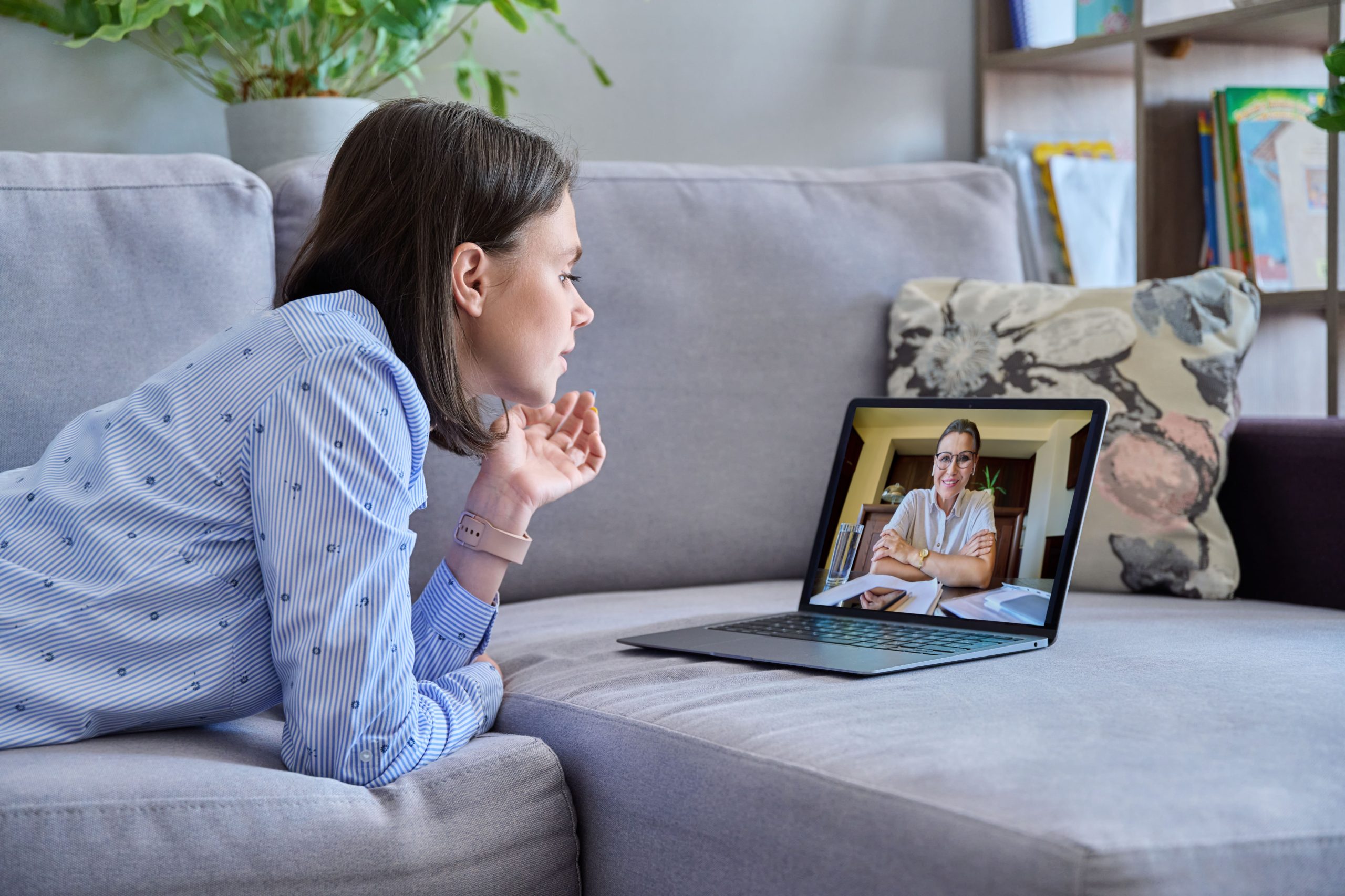
The Philippines teletherapy market has moved well beyond being a niche wellness service. It is becoming a practical answer to a very real care gap in the country. Mental health demand has risen sharply in recent years, yet access to licensed psychologists, counsellors, and psychiatrists remains uneven, especially outside large urban centers. For many Filipinos, online therapy is no longer just the “easier” option. In many cases, it is the only realistic one. By 2026, the foundations for wider adoption are much stronger than they were even a few years ago. Smartphone usage is deeply embedded in daily life, digital payments are more familiar, and teleconsultation has become normalized after the pandemic years. That matters because therapy is one of those services where convenience often determines whether a person seeks help at all. If booking a session takes too much effort, many people simply postpone it. In the Philippines, teletherapy is starting to remove that friction and, in doing so, opening a meaningful lane for long-term market expansion through 2030.
What’s Driving the Teletherapy Market in the Philippines?
Mental Health Is Becoming a Mainstream Conversation
One of the biggest shifts has been cultural. Mental health is no longer discussed only in clinical settings or crisis moments. It is now part of workplace conversations, student wellbeing programs, online content, and even family discussions in some households. Younger Filipinos in particular are more willing to seek therapy for stress, burnout, anxiety, grief, and relationship issues before those problems escalate. That change matters commercially as much as socially. A market does not grow just because need exists. It grows when people are actually willing to pay, book, and return. Teletherapy benefits from that shift because it feels less intimidating than walking into a clinic, especially for first-time users.
Mobile Access Fits the Way Filipinos Already Use Healthcare
Teletherapy works in the Philippines largely because it fits existing consumer behavior. Most users do not want a complicated healthcare journey. They want to message, book, pay, and consult from one device, often in the same way they order food, send money, or schedule deliveries. This mobile-first behavior gives teletherapy a natural advantage. A 45-minute session can happen from a bedroom, office cubicle, or parked car during lunch break. That flexibility is not a minor convenience. On the ground, it often determines whether a working adult or university student follows through with care. In a country where traffic, commute time, and clinic access can easily discourage treatment, digital therapy solves a very practical problem.
Access Beyond Metro Manila Is a Real Market Opportunity
A common mistake is to view teletherapy as mainly an urban premium service. In practice, one of its strongest use cases lies outside major city centers. Many provinces still have limited access to licensed mental health professionals, and in some areas, patients may need to travel long distances for a consultation. Online platforms help close that gap. Someone in Iloilo, Davao, or a smaller Luzon city can now consult a therapist based in Metro Manila without spending half a day on logistics. That does not solve every issue – digital access, privacy, and affordability still matter – but it does widen the funnel considerably. This is one of the clearest reasons the category has room to grow over the next several years.
Government-Led Initiatives
Public policy has helped create a more supportive backdrop for this market, even if regulation still has room to mature. The Mental Health Act gave the sector much-needed legitimacy, and the Philippine Council for Mental Health Strategic Framework 2024-2028 has added structure around awareness, service access, and coordination. What is still missing, in a practical sense, is a more standardized operating environment for online mental healthcare. Questions around reimbursement, digital record handling, quality assurance, and therapy access in public health channels remain uneven. That said, the direction is encouraging. Government support may not be the direct growth engine here, but it has clearly reduced some of the stigma and policy hesitation that once held the category back.
Market Competition
The market remains fairly fragmented, which is typical for a service category still taking shape. Telehealth platforms, independent therapists, niche mental wellness startups, and hospital-linked providers are all competing for attention. Names such as RecoveryHub, MindNation, and NowServing have helped make digital therapy more visible, but the space is far from consolidated. What will separate winners is not just therapist count or app design. Trust will matter more. Patients tend to stay with platforms that feel discreet, easy to navigate, and consistent in care quality. Corporate wellness partnerships and school-based mental health tie-ups are also likely to become important distribution channels, especially as acquisition costs rise.
Affordability Still Limits Wider Adoption
The biggest obstacle is simple: many people still cannot afford regular therapy. A single session may be manageable once, but ongoing care is where drop-off often happens. Insurance coverage remains limited, and many households still treat therapy as an optional expense rather than part of routine healthcare. Privacy is another overlooked issue. Teletherapy sounds convenient until a person tries to discuss trauma or anxiety from a shared home with thin walls and little personal space. That is a very real barrier in the Philippines and one the industry cannot ignore.
Future Outlook
The Philippines teletherapy market has a credible runway through 2030, but its future will depend less on hype and more on execution. The providers that succeed will likely be the ones that make therapy feel affordable, private, and genuinely useful in everyday life. By 2030, teletherapy will likely sit alongside in-person care rather than replace it. Hybrid models, employer-funded access, therapist matching tools, and digital follow-up support could make mental healthcare far more reachable than it is today. That would not just expand the market. It would make it more relevant.
Consultants at Nexdigm, in their latest publication “Philippines Teletherapy Market Outlook to 2030” believe that businesses should focus on affordability-led offerings, strong therapist onboarding, privacy-first service design, and partnerships with employers, universities, and insurers to build sustainable scale in the market.
To take the next step, simply visit our Request a Consultation page and share your requirements with us.
Harsh Mittal
+91-8422857704