
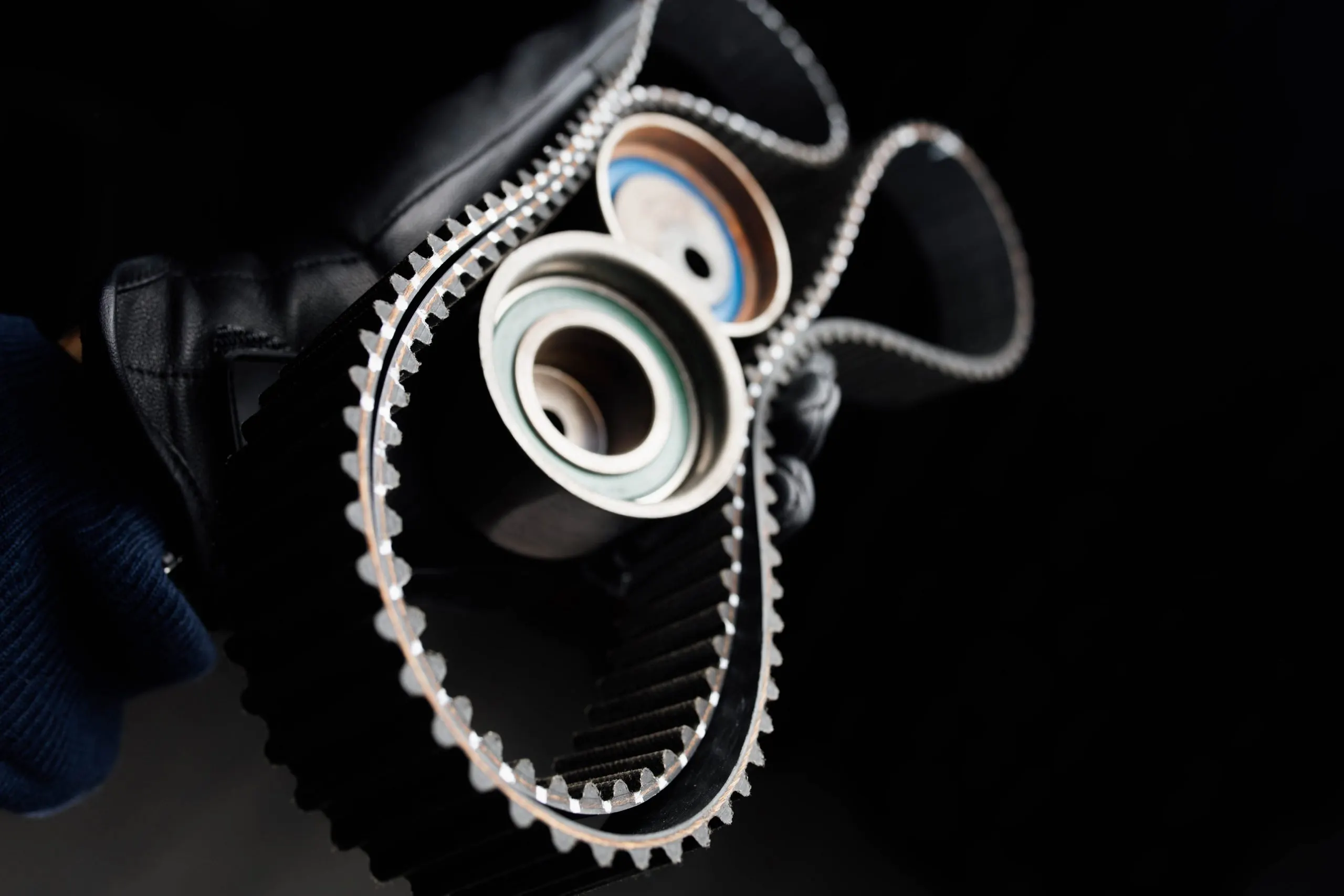
The Philippines timing belts market encompasses a range of belt systems used in automotive engines and industrial machinery to synchronize motion and power transmission. In recent years, demand has been supported by growth in manufacturing automation, vehicle ownership, and infrastructure development. Timing belts are essential in maintaining engine efficiency and precision motion control across sectors. Ongoing modernization of production lines and rising import volumes of automotive belts reflect expanding consumption. While specific national figures vary, regional timing belt markets—industrial and automotive—are projected to grow steadily through the coming decade due to expanding end‑use applications and replacement cycles.
Key Market Drivers Industrial Automation
Growth in Industrial Automation and Precision Equipment
Rapid adoption of factory automation, robotics, and precision machinery is a primary growth engine for timing belts in the Philippines. Industrial synchronous timing belts are increasingly integrated into automated packaging lines, conveyors, print, and material handling equipment. These applications demand low‑slip, accurate power transmission to maintain production consistency and uptime. Expansion of warehouse automation—driven by logistics and e‑commerce growth—has further bolstered demand for reliable belt systems.
Automotive Sector Expansion and Aftermarket Demand
In the automotive subsector, rising vehicle ownership and imports of engine components have stimulated timing belt consumption. From 2020 to 2024, the broader drivetrain belt segment exhibited double‑digit CAGR growth in import volumes, indicating strong replacement and service‑related demand. Passenger vehicles, light commercial vehicles, and motorcycle segments remain significant end‑users, with aftermarket maintenance driving repeat purchases.
Material Advancements and Efficiency Preferences
Innovations in belt materials—such as advanced polymers and high‑strength tensile cords—have enhanced durability, heat resistance, and life span, making timing belts more attractive relative to alternative drive systems. Industries prioritizing energy efficiency and reduced maintenance cycles increasingly favor belt drives over chain or gear systems where appropriate.
Government Initiatives Supporting Industrial and Automotive Growth
The Philippine government supports the automotive and manufacturing sectors through industry development programs aimed at strengthening local supply chains and attracting investment. Policy measures include fiscal incentives for parts manufacturers, infrastructure projects under national plans, and efforts to enhance the competitiveness of automotive assembly and components fabrication. These initiatives indirectly promote demand for timing belts by expanding industrial activity and vehicle production capacity.
Competitive Landscape, Key Players and Market Dynamics
The market features a mix of imported and locally distributed timing belt products, with key supply origins including China, Japan, Thailand, Indonesia, and Malaysia. Brand competition varies by application: premium engineered belts for industrial automation compete with more cost‑sensitive offerings used in basic automotive and machinery replacement segments. Moderate market concentration suggests room for new entrants leveraging quality differentiation and local service networks.
Market Challenges, Pricing Pressure and Application Limitations
Price Sensitivity and Substitution Pressure
Price remains a significant constraint, particularly in cost‑sensitive industrial and automotive segments. Low‑cost alternatives and imported belts with minimal performance guarantees can limit the uptake of higher‑performance products. This competitive pressure requires suppliers to balance quality with cost effectiveness to maintain market share.
Environmental and Application Limitations
Timing belts operating in harsh environments (high heat, abrasive conditions, oil exposure) may experience accelerated wear, necessitating specialized material solutions and higher inventory levels to avoid production disruptions. In heavy‑duty applications, alternative power transmission technologies such as direct‑drive or gear systems may be preferred, mitigating belt demand in niche areas.
Future Outlook
Looking toward 2035, the Philippines timing belts market is expected to expand in alignment with broader regional and global timing belt trends. While precise local forecasts to 2035 are not published, the global vehicle timing belt market shows robust growth potential through 2035, with some analyses projecting multi‑fold increases in market value over the next decade. Continued industrial modernization, logistics automation, and automotive fleet expansion will underpin steady belt demand.
Consultants at Nexdigm, in their latest publication “Philippines Timing Belts Market Outlook 2035,” analyze the sector by System Type (Rubber Timing Belts, Polyurethane Timing Belts, High Torque Drive Belts, Double Sided Timing Belts), By Platform Type (Passenger Vehicles, Light Commercial Vehicles, Heavy Commercial Vehicles), and By Fitment Type (OEM Fitment, Aftermarket Replacement, Fleet Maintenance Fitment). Nexdigm suggests that businesses should focus on strengthening local supply chains, adopting advanced timing belt materials, and expanding after-sales service networks to enhance reliability and competitiveness.
To take the next step, simply visit our Request a Consultation page and share your requirements with us.
Harsh Mittal
+91-8422857704