
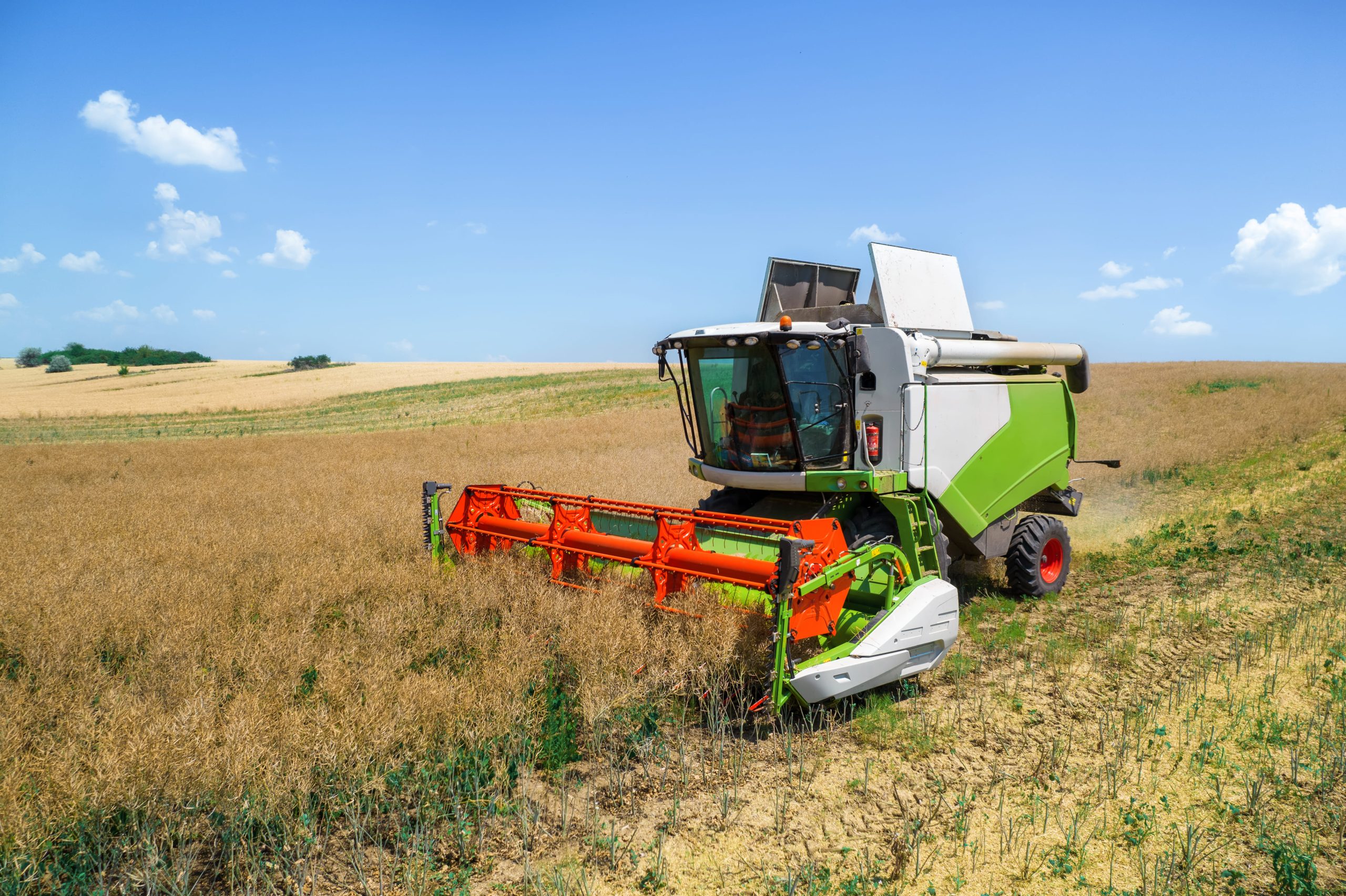
The Philippines agricultural machinery market is gradually transforming as the government strengthens its push toward farm mechanization and post-harvest loss reduction. Agriculture remains a key livelihood sector, dominated by rice, corn, and sugarcane production. However, fragmented landholdings, rising farm labor costs, and seasonal labor shortages are accelerating the adoption of mechanized harvesting. As of 2025, most harvesters operating in the Philippines were imported from Japan and other Asian manufacturing hubs, with a growing share entering the secondary market after 4–8 years of use. The used harvester segment is gaining momentum due to affordability, expanding mechanization programs, and rising participation of cooperatives and custom-hiring service providers.
What’s Driving the Used Harvester Market in the Philippines?
Government Push for Rice Mechanization and Loss Reduction
The Department of Agriculture and PhilMech continue to promote mechanized harvesting to reduce post-harvest losses and improve productivity in rice farming. Farmer cooperatives and LGUs increasingly procure used combine harvesters as cost-effective alternatives to new equipment, particularly in Central Luzon, Cagayan Valley, and Western Visayas. Pre-owned machines are enabling smallholder clusters and service providers to expand coverage during peak harvest seasons.
Labor Shortages and Rising Rural Wages
Rural-to-urban migration and overseas employment are shrinking the agricultural labor pool, making manual harvesting expensive and unreliable. Used harvesters offer a practical solution for medium-sized farms and custom-hiring operators that work across multiple barangays. This shift toward mechanization is structurally supporting demand for refurbished and pre-owned harvesters.
Import Dependence and Fleet Replacement Cycles
The Philippines relies heavily on imported harvesters, particularly from Japan. Large farms and contractor fleets regularly upgrade equipment to improve efficiency, releasing mid-life units into the resale market. Japanese used harvesters are preferred due to durability and easier access to spare parts, strengthening liquidity in the secondary market.
Government-Led Initiatives Supporting Mechanization
Public procurement programs, equipment grants, and shared-service facilities are expanding harvester penetration, especially among cooperatives. Financing support from rural banks and cooperative lenders is improving affordability for refurbished units. Sustainability and productivity goals are encouraging large operators to upgrade fleets, indirectly increasing supply in the used equipment market.
Market Competition and Distribution Landscape
The used harvester market remains fragmented, with authorized dealers, refurbished-equipment importers, and informal traders operating across provincial hubs. Organized players are differentiating through basic warranties, spare parts support, and refurbishment certification. Digital marketplaces and classifieds are improving price transparency and buyer reach, gradually formalizing the market.
Fragmented Landholdings and Limited After-Sales Support
Small and fragmented farm sizes in the Philippines restrict individual farmers’ ability to invest in harvesters, even in the used equipment segment, concentrating demand among cooperatives and custom-hiring service providers. In remote agricultural regions, limited access to trained technicians and spare parts increases downtime risks for older machines, raising ownership costs. Without reliable after-sales networks and localized service centers, farmers remain cautious about adopting pre-owned harvesters despite their lower upfront cost and operational benefits.
Future Outlook
The Philippines used harvester market is expected to grow steadily through 2035, driven by mechanization policies, labor constraints, and gradual farm consolidation. Service-based harvesting models will account for a larger share of machine utilization, boosting demand for cost-efficient used harvesters. The market is likely to become more structured, with wider adoption of certified refurbishment, financing and leasing options, and stronger after-sales networks in major rice-producing regions.
Consultants at Nexdigm, in their latest publication “Philippines Used Harvester Market Outlook to 2035”, analyzed the market by Harvester Type (Combine Harvesters, Reapers, Sugarcane Harvesters), By Crop Type (Rice, Corn, Sugarcane), By End User (Farmer Cooperatives, Custom Hiring Centers, Commercial Farms), and By Region (Luzon, Visayas, Mindanao). Nexdigm believes that businesses should prioritize partnerships with cooperatives and LGUs, localized spare parts ecosystems, and financing-backed refurbishment models, while strengthening after-sales service networks to accelerate adoption across rice-dominant provinces.
To take the next step, simply visit our Request a Consultation page and share your requirements with us.
Harsh Mittal
+91-8422857704