
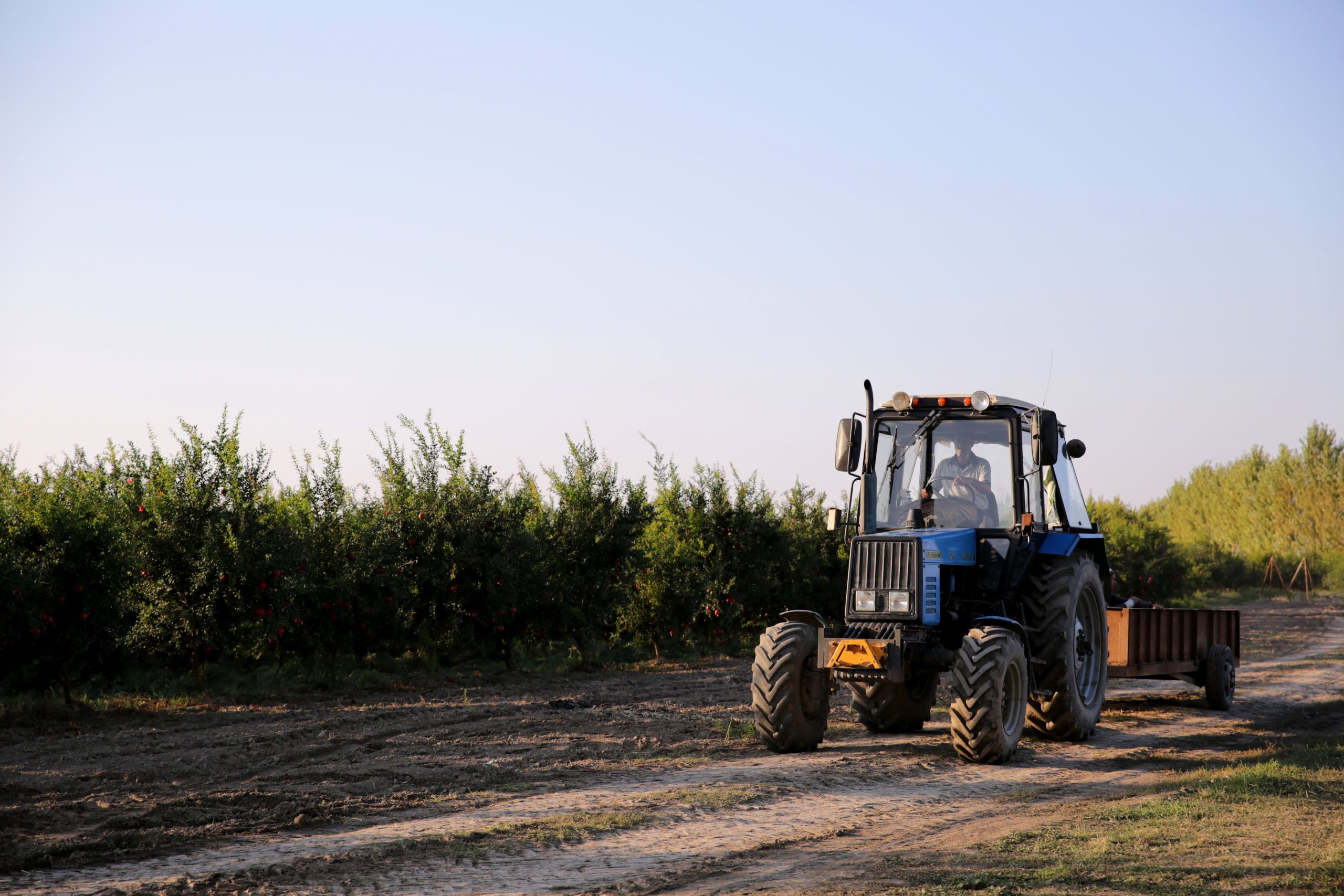
The Philippines agricultural machinery market is witnessing a gradual modernization as the country works to improve farm productivity, reduce post-harvest losses, and strengthen food security. Despite agriculture employing a large share of the rural workforce, mechanization levels remain relatively low due to fragmented landholdings, limited access to credit, and high equipment costs. As of 2025, the Philippines continued to rely heavily on imported tractors from global OEMs, with Japan, China, and India being key sources. A growing share of these machines enters the secondary market after 4–8 years of use, especially compact and mid-horsepower tractors. The used tractor segment is gaining momentum as smallholder farmers, cooperatives, and local contractors seek affordable mechanization solutions to improve efficiency across rice, corn, and horticulture farming systems.
What’s Driving the Used Tractor Market in the Philippines?
Smallholder-Dominated Farming Structure and Price Sensitivity
The Philippines’ agricultural landscape is dominated by small and marginal farmers operating on fragmented plots. High upfront costs of new tractors limit adoption, making pre-owned equipment a practical alternative. Used tractors allow farmers to mechanize land preparation, hauling, and basic cultivation tasks at significantly lower capital outlay. This affordability factor is expanding mechanization beyond large commercial farms to cooperatives and rural service providers that rent out equipment on a per-hectare basis.
Mechanization Push in Rice and Corn Production
Rice and corn remain strategic crops under the country’s food security agenda. The shift toward double-cropping and time-bound planting cycles is increasing demand for timely land preparation and harvesting support equipment. Compact and mid-horsepower tractors are well-suited to paddy fields and mixed-crop farms, and the availability of refurbished Japanese tractors has made mechanization more accessible. Custom-hiring models, where service providers own used tractors and rent them to farmers, are accelerating adoption in mechanization clusters across Luzon and parts of Mindanao.
Import Dependence and Equipment Turnover
The Philippines depends almost entirely on imported tractors from brands such as Kubota, Yanmar, New Holland Agriculture, and John Deere. Fleet upgrades by large plantations, sugar mills, and agri-contractors create a steady flow of mid-life equipment into the secondary market. Additionally, reconditioned tractor imports from Japan form a sizable portion of used inventory, supporting availability in the sub-50 HP and 50–100 HP segments. This steady turnover cycle is strengthening supply-side depth in the used tractor ecosystem.
Government-Led Initiatives Supporting Farm Mechanization
The Philippine government, through the Rice Competitiveness Enhancement Fund (RCEF) and agricultural mechanization programs, continues to promote equipment adoption to improve productivity and reduce labor shortages. While a large share of subsidies supports new machinery procurement through cooperatives and local government units, these programs indirectly stimulate the used market as newer equipment replaces older fleets. Financing support via rural banks and government-backed credit programs is also improving affordability for smallholders and agri-entrepreneurs, enabling gradual uptake of pre-owned tractors.
Market Competition and Distribution Landscape
The used tractor market in the Philippines remains fragmented, with a mix of authorized dealers, independent traders, and regional importers of refurbished Japanese equipment. Organized dealerships linked to OEMs dominate higher-quality certified used offerings, while informal traders cater to highly price-sensitive rural buyers. The emergence of online equipment marketplaces and social commerce channels is improving price discovery and expanding reach beyond traditional trading hubs. Over time, warranty-backed refurbishment and standardized inspection processes are expected to formalize the market.
Fragmented Landholdings and Limited Farm Incomes
Fragmented landholdings and limited farm incomes continue to restrict large-scale mechanization in the Philippines. Most farmers operate on small, scattered plots, making full tractor ownership economically unviable. Irregular cash flows, exposure to climate risks, and fluctuating crop prices further limit purchasing power. As a result, farmers increasingly depend on shared ownership models, cooperatives, and custom-hiring or rental services to access mechanization. While this supports operational efficiency at the farm level, it constrains direct retail demand growth in the used tractor market.
Future Outlook
The Philippines used tractor market is expected to register steady growth through 2035, supported by gradual mechanization in rice and corn farming, labor shortages in rural areas, and replacement cycles among commercial farms and contractors. By 2035, the market is likely to become more structured, with wider adoption of certified refurbishment programs, financing and leasing models, and digital trading platforms. The used segment will play a critical role in democratizing access to farm mechanization, enabling smallholders and service providers to improve productivity without the burden of high capital expenditure.
Consultants at Nexdigm, in their latest publication “Philippines Used Tractor Market Outlook to 2035”, analyzed the market by Horsepower (Below 50 HP, 50–100 HP, Above 100 HP), By Application (Rice & Corn Farming, Horticulture, Plantation Agriculture, Custom Hiring Services), and By Sales Channel (Authorized Dealers, Independent Importers, Online Platforms, Auctions). Nexdigm believes that businesses should prioritize certified refurbishment, localized after-sales service networks, and flexible financing solutions, while leveraging partnerships with cooperatives and custom-hiring centers to scale penetration in the secondary tractor market.
To take the next step, simply visit our Request a Consultation page and share your requirements with us.
Harsh Mittal
+91-8422857704