
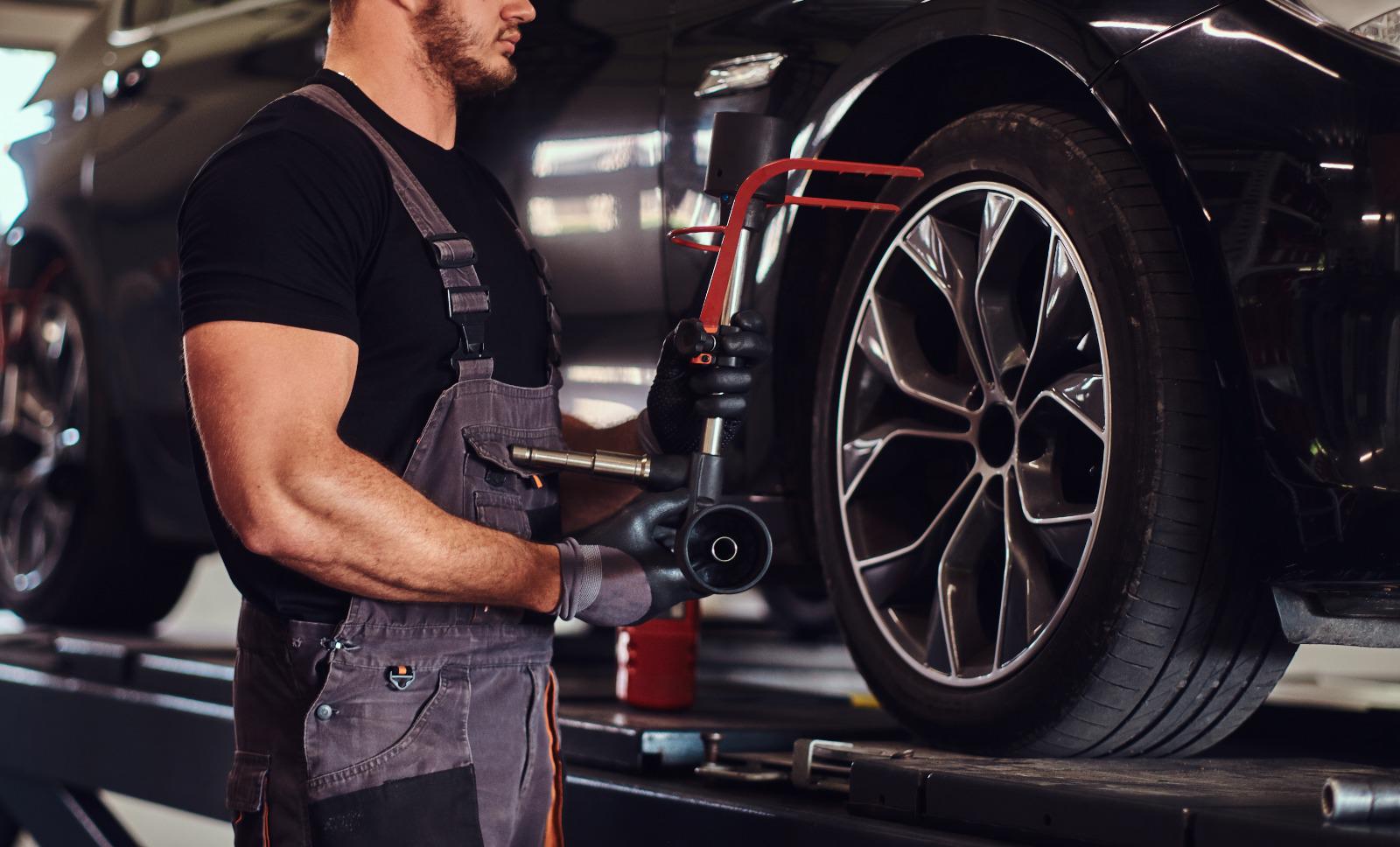
The wheel alignment systems market in the Philippines is expected to register steady growth in the coming years until 2030. The market is influenced by an increasing vehicle parc and technological advancements in vehicle alignment systems. Wheel alignment is an essential process for vehicle owners to enhance vehicle performance, prolong the lifespan of vehicle components, and improve vehicle efficiency. The automotive aftermarket is witnessing an increase in vehicle alignment systems, and this trend is likely to continue in the coming years.
Key Factors Driving Growth in the Wheel Alignment Systems Market
Rising Vehicle Parc and Maintenance Awareness
The wheel alignment systems market in the Philippines is expected to register steady growth in the coming years due to an increase in the vehicle parc, especially for passenger cars and light commercial vehicles. An increase in vehicles on the road is a major factor for wheel alignment systems. Vehicle owners often face issues with vehicle alignment, and this problem can be solved with an increase in vehicles on the road. Vehicle alignment is an essential process for vehicle owners to enhance vehicle performance and prolong the lifespan of vehicle components.
Technological Advancements in Alignment Systems
The use of advanced technologies such as 3D imaging, laser sensor technologies, and software diagnostics is becoming increasingly popular among service centers and is gaining traction in the Philippines market. Advanced technologies such as these are known to offer improved precision, increased speed, and better diagnostic capabilities compared to traditional mechanical alignment racks. As a result, service centers are increasingly opting to invest in these high-end wheel alignment machines to attain a competitive edge. Digital transformation in the automotive service equipment segment is also driving the modernization of the aftermarket segment.
Expansion of the Automotive Aftermarket and Its Impact on Wheel Alignment Systems
The growing automotive aftermarket segment, including service centers and garages, is also driving the expansion of wheel alignment systems. As the number of automobiles on the road is increasing, people are becoming increasingly cost-conscious, and preventive maintenance is becoming a crucial factor for service centers to retain customer loyalty. As a result, service centers are increasingly opting to invest in wheel alignment systems, creating opportunities for suppliers and distributors to expand their footprint in the wheel alignment segment.
Government Policies and Initiatives that are Boosting the Wheel Alignment Systems Market
The Philippine government is focusing on improving the country’s infrastructure and implementing policies to enhance the level of road safety. Regulations that focus on ensuring compliance with inspection and maintenance requirements are also indirectly driving the wheel alignment segment. The government is also offering trade incentives and investment opportunities to attract foreign investments, and the Board of Investments (BOI) is promoting investments to modernize the country’s automotive service sector, making it easy to import and use high-end wheel alignment technologies.
Overview of Key Players and Competitive Dynamics in the Wheel Alignment Systems Market
The wheel alignment systems market in the Philippines can be classified as moderately competitive with a number of international and local manufacturers of equipment operating in the country. Some of the established international brands are offering a range of wheel alignment systems from basic to high-end digital systems, while the local players are offering cost-effective wheel alignment systems suitable for smaller service centers. Partnerships between distributors and OEM manufacturers are important in the wheel alignment systems market in the country.
Essential Challenges Affecting the Growth of the Wheel Alignment Systems Market
Cost Sensitivity
The cost factor associated with wheel alignment systems, particularly high-end technologies, acts as a major impediment in the growth of the wheel alignment systems market. The cost sensitivity factor has been observed to be higher in smaller garages, where budgetary constraints limit their ability to purchase high-end wheel alignment technologies. The reluctance shown by garages towards adopting high-end wheel alignment technologies has been identified as a major factor affecting the growth of the wheel alignment systems market.
Skill Gap
The use of high-end wheel alignment technologies requires skilled labor, and there has been a skill gap observed in some countries. The skill gap has been identified as a major factor affecting the growth of the wheel alignment systems market, where the effectiveness of high-end wheel alignment technologies has been impeded due to a lack of skilled labor. The inability of garages to utilize high-end wheel alignment technologies has been observed to be a major factor affecting the growth of the wheel alignment systems market.
Future Outlook
The wheel alignment systems market in the Philippines is likely to register steady growth during the period between 2023 and 2030, driven by increasing vehicle ownership and sophistication in the country’s service sector. Digital and laser wheel alignment technologies will gain more ground in the country’s wheel alignment systems market, given their increasing use in workshops and garages. The increasing emphasis given to vehicle safety will likely encourage more workshops and garages to conduct routine wheel alignment checks, thereby driving the wheel alignment systems market in the Philippines.
Consultants at Nexdigm, in their latest publication “Philippines Wheel Alignment Systems Market Outlook 2030,” analyze the sector by Alignment Type (Camber Alignment, Caster Alignment, Toe Alignment, Four-Wheel Alignment), By Vehicle Type(Passenger Cars, Light Commercial Vehicles, Medium Commercial Vehicles), and By Technology Type (Manual Alignment Systems, CCD Alignment Systems, 3D Imaging Alignment Systems). Nexdigm suggests that businesses should leverage the growing demand for advanced automotive solutions by investing in cutting-edge wheel alignment technologies, such as 3D laser systems, to meet the rising consumer expectations for precision and efficiency. With the increasing vehicle parc and the expansion of the automotive aftermarket, businesses should also focus on expanding service offerings and improving technician skills to fully capitalize on market growth opportunities.
To take the next step, simply visit our Request a Consultation page and share your requirements with us.
Harsh Mittal
+91-8422857704