
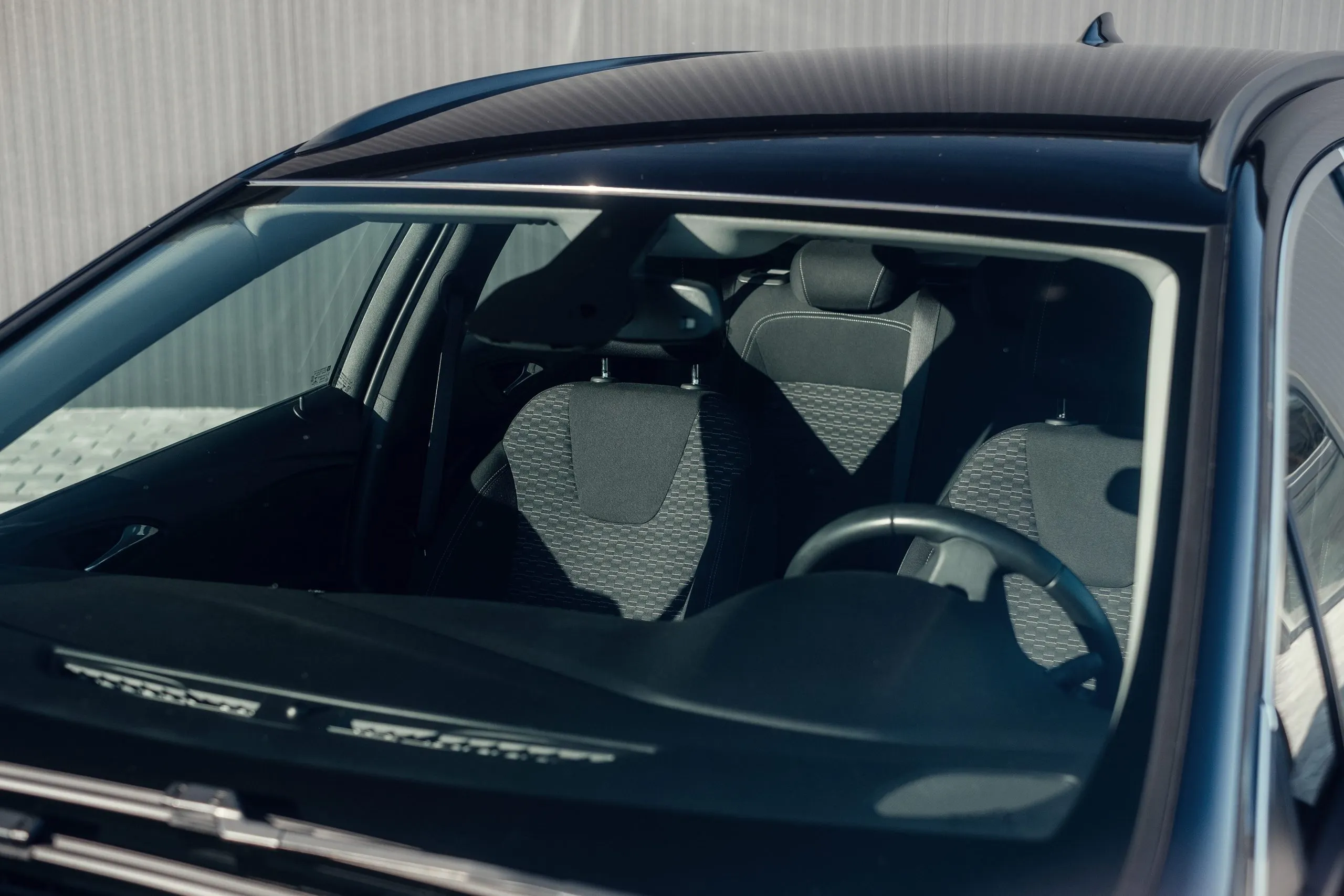
The Philippines automotive aftermarket has quietly become one of the more active segments in Southeast Asia, particularly in replacement components linked to vehicle safety. Windshields sit right at the center of that trend. Between worsening traffic congestion, unpredictable weather, and an aging vehicle fleet, windshield replacement has become less of an occasional expense and more of a routine maintenance requirement for many vehicle owners. By 2025, most windshields sold in the Philippines were imported from manufacturing hubs such as Thailand, China, and Indonesia. Local demand continues to come largely from passenger cars, ride-hailing fleets, light commercial vehicles, and delivery operators. In practice, heavy rainfall, flying road debris, and poor road conditions often shorten the usable life of automotive glass faster than many consumers expect. As a result, the market has moved beyond basic replacement demand and is gradually shifting toward better-quality laminated glass and professional installation services.
What’s Driving the Windshields Market in the Philippines?
Expanding Vehicle Ownership Across Urban Centers
Vehicle ownership has climbed steadily in cities such as Metro Manila, Cebu, and Davao, where personal mobility still outweighs public transport convenience for many households. Financing options from banks and dealerships have made entry-level cars more accessible, especially for younger consumers and first-time buyers. On the ground, this creates a larger replacement market over time. Cars operating daily in congested conditions face constant exposure to loose gravel, minor collisions, and extreme heat. Windshield cracks that begin as small chips often spread quickly in tropical climates. Many vehicle owners delay repairs due to cost concerns, though this frequently leads to complete windshield replacement later.
Insurance Claims and Accident-Related Repairs
The Philippines continues to report a high number of road accidents annually, particularly in dense urban corridors. For windshield suppliers and installers, insurance-backed repairs represent a major revenue stream. Comprehensive motor insurance policies increasingly include glass replacement coverage, which has encouraged motorists to seek professional replacements instead of temporary fixes. There is also a noticeable shift in consumer expectations. Drivers now pay more attention to visibility, glare reduction, and installation quality, especially among ride-hailing operators whose vehicles remain on the road for extended hours each day. Cheap aftermarket glass still exists in the market, but concerns around distortion and durability have pushed many buyers toward branded alternatives.
Growth of Automotive Service and Distribution Networks
The aftermarket service landscape has become more organized over the last few years. Large dealership chains, independent workshops, and specialized auto glass installers have expanded aggressively across major cities. Mobile windshield replacement services are also becoming common, particularly in Metro Manila where traffic congestion makes workshop visits inconvenient. E-commerce has added another layer of competition. Consumers can now compare windshield products online before booking installation appointments. That transparency has helped reputable suppliers, although it has also intensified price competition. A common challenge for installers is balancing affordability with product quality, particularly when dealing with budget-conscious vehicle owners.
Government Regulations and Safety Standards
Road safety enforcement in the Philippines has become stricter, especially around vehicle inspections and roadworthiness compliance. Damaged or heavily cracked windshields are increasingly flagged during inspections, forcing owners to replace compromised glass sooner than they might have in the past. There is also stronger awareness around laminated safety glass standards. Modern vehicles equipped with cameras and driver-assistance features require more precise windshield calibration after installation. This has created a gap between certified installers and informal repair shops. In many cases, improper installation can interfere with sensor performance or reduce structural safety during collisions.
Market Competition and Industry Landscape
The market remains fairly fragmented. Global automotive glass manufacturers such as AGC Inc., Fuyao Glass Industry Group, and Saint-Gobain Sekurit supply a significant share of products entering the Philippines through distributors and regional dealers. At the same time, smaller local traders continue to dominate lower-cost segments. This creates a noticeable divide in the market. Premium buyers often prioritize optical clarity, warranty coverage, and proper fitting, while price-sensitive consumers frequently choose cheaper imported products with inconsistent quality standards. The difference becomes obvious over time, especially under harsh weather exposure.
Dependence on Imported Automotive Glass
One major limitation for the industry is the country’s heavy reliance on imported windshields. The Philippines has limited domestic manufacturing capacity for advanced automotive glass, particularly laminated and sensor-compatible products. Import dependence exposes suppliers to shipping delays, currency fluctuations, and rising freight costs. In recent years, supply chain disruptions have occasionally affected inventory availability for newer vehicle models. Replacement parts for premium cars can sometimes take weeks to arrive, frustrating both repair shops and consumers. Counterfeit products also remain a concern in informal channels, where low pricing often comes at the expense of safety and durability.
Future Outlook
The Philippines windshields market will likely grow at a steady pace through 2035 as vehicle ownership expands and replacement cycles become more frequent. Demand for higher-grade windshields fitted with rain sensors, acoustic layers, and ADAS compatibility is likely to become more common, especially in newer passenger vehicles. Over time, the market may become more structured, with certified installers and warranty-backed services gaining stronger consumer trust. Digital booking platforms, mobile replacement units, and partnerships with insurers could reshape how windshield services are delivered.
Consultants at Nexdigm, in their latest publication “Philippines Windshields Market Outlook to 2035,” believe businesses should focus on reliable sourcing, technician training, and quality assurance rather than competing purely on price, particularly as vehicle technology becomes more sophisticated across the Philippine automotive sector.
To take the next step, simply visit our Request a Consultation page and share your requirements with us.
Harsh Mittal
+91-8422857704