
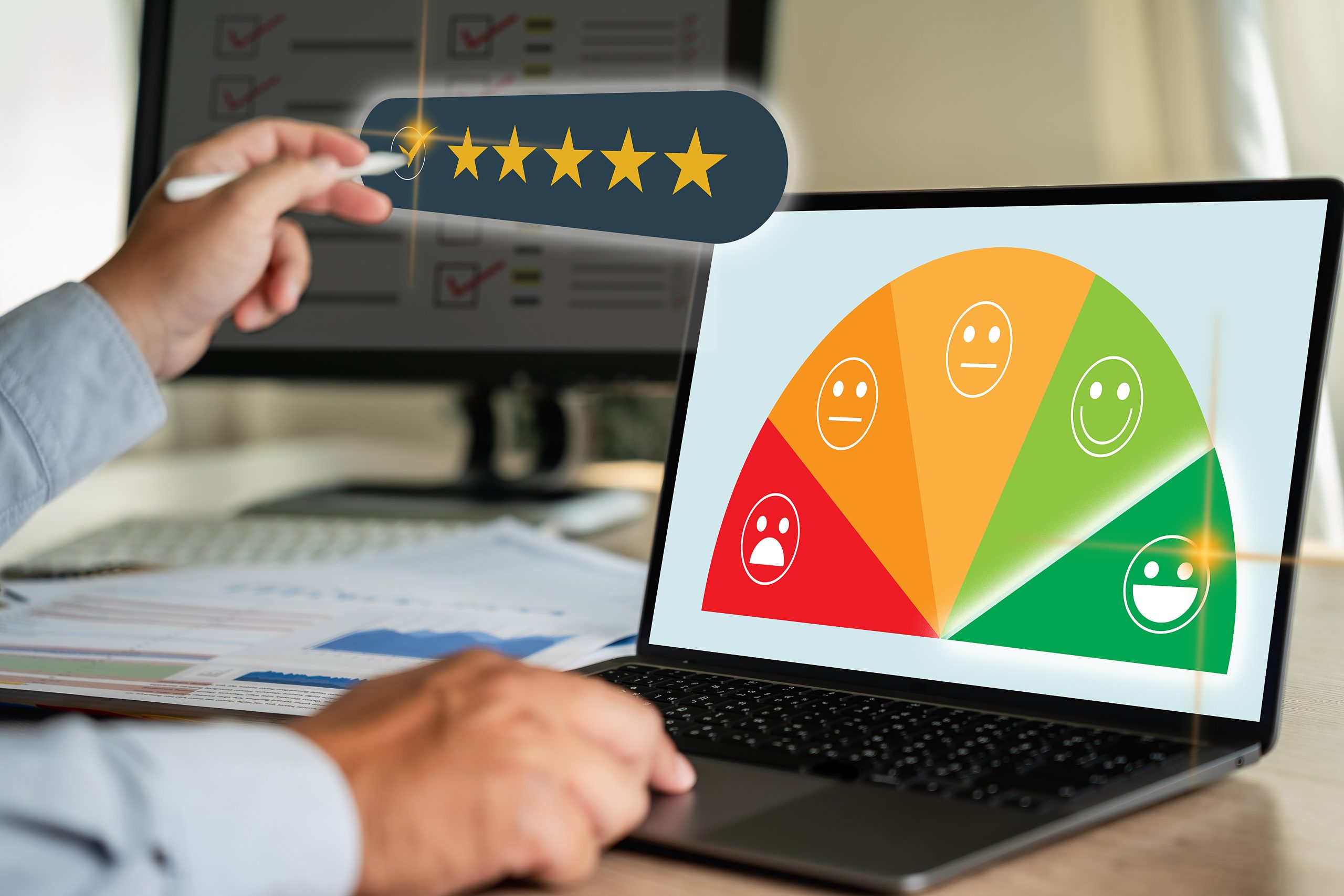
As competition intensifies, consumer electronics brands often overengineer their products by adding more features in pursuit of differentiation and broader market appeal. But this approach frequently leads to bloated devices, inflated development budgets, and confused customers.
Industry research indicates that 30–40% of product features in consumer electronics remain completely unused.
The consequences go far beyond cost overruns:
- Wasted R&D Budgets
- Longer Development Cycles
- Complex User Experiences
- Lower Engagement
Using Product Surveys to Build Smarter, Efficient Devices
To avoid the pitfalls of feature overload, leading consumer electronics brands are turning to product surveys for smarter product development. Nexdigm Product surveys enable teams to separate assumptions from actual user preferences, before investing heavily in R&D. By leveraging targeted surveys, brands can:
- Prioritize What Truly Matters: Using MaxDiff and Kano modelling, Nexdigm helps brands identify which features truly influence purchase decisions. In 2024, this approach enabled global tech clients to cut 18–32% of low-value features and redirect investment toward high-impact ones.
- Validate Concepts with Real Users: Our concept testing surveys across personas, offer clarity on expectations and usability. Persona-led testing has boosted launch success rates by over 20% while reducing costly post-launch redesigns.
- Align Features with Willingness-to-Pay: Using Van Westendorp and Gabor-Granger models, we assess willingness to pay for different features and help brands set competitive and profit-focused pricing, an approach applied to over USD 5 billion in consumer tech products in 2024.
- Tailor Features to Audience Segments: User preferences vary by region. Southeast Asian buyers show a 24% higher preference for battery-efficient features, while North American users prioritize processing power and connectivity.
Nexdigm Case:
A fast-growing electronics brand developing a next-gen wearable sought Nexdigm’s help as feature costs surged and user demand remained unclear. Through surveys across 5 countries, MaxDiff on 28 features, persona testing, and pricing analysis, Nexdigm identified that 11 features added little value and prioritized the top user-preferred ones. This delivered 22% R&D savings, cut time-to-market by 8 weeks, and boosted pre-orders across 3 markets.
What a Product Survey Process Looks Like for a Tech Brand
Nexdigm follows a structured, data-led approach to ensure that every product decision is backed by real user insights. Our product survey framework for technology and electronics brands is designed to reduce development risks, optimizing feature sets, and accelerating go-to-market readiness. Here’s how the process looks like:
Stage 1: Define Target Personas
We begin by identifying and segmenting users into meaningful personas. Persona segmentation has been shown to improve feature alignment by up to 35% and reduce product churn across early cohorts.
Stage 2: Conduct Feature Prioritization
Using techniques like MaxDiff analysis or Kano modelling, we help product teams in understanding which features users care about most and which ones offers limited perceived value.
Stage 3: Validate Pricing and Packaging
Our experts apply Van Westendorp and Gabor-Granger models to map out pricing thresholds and feature-driven willingness-to-pay insights. Brands leveraging structured pricing research have achieved 15–20% higher margins while staying competitive in their segments.
Stage 4: Create a Feedback Loop
Post-launch we integrate continuous feedback mechanisms such as in-app surveys or satisfaction scoring tools to track real-time user sentiments. This ensures future product updates remain aligned with evolving user expectations.
To take the next step, simply visit our Request a Consultation page and share your requirements with us.
Harsh Mittal
+91-8422857704