
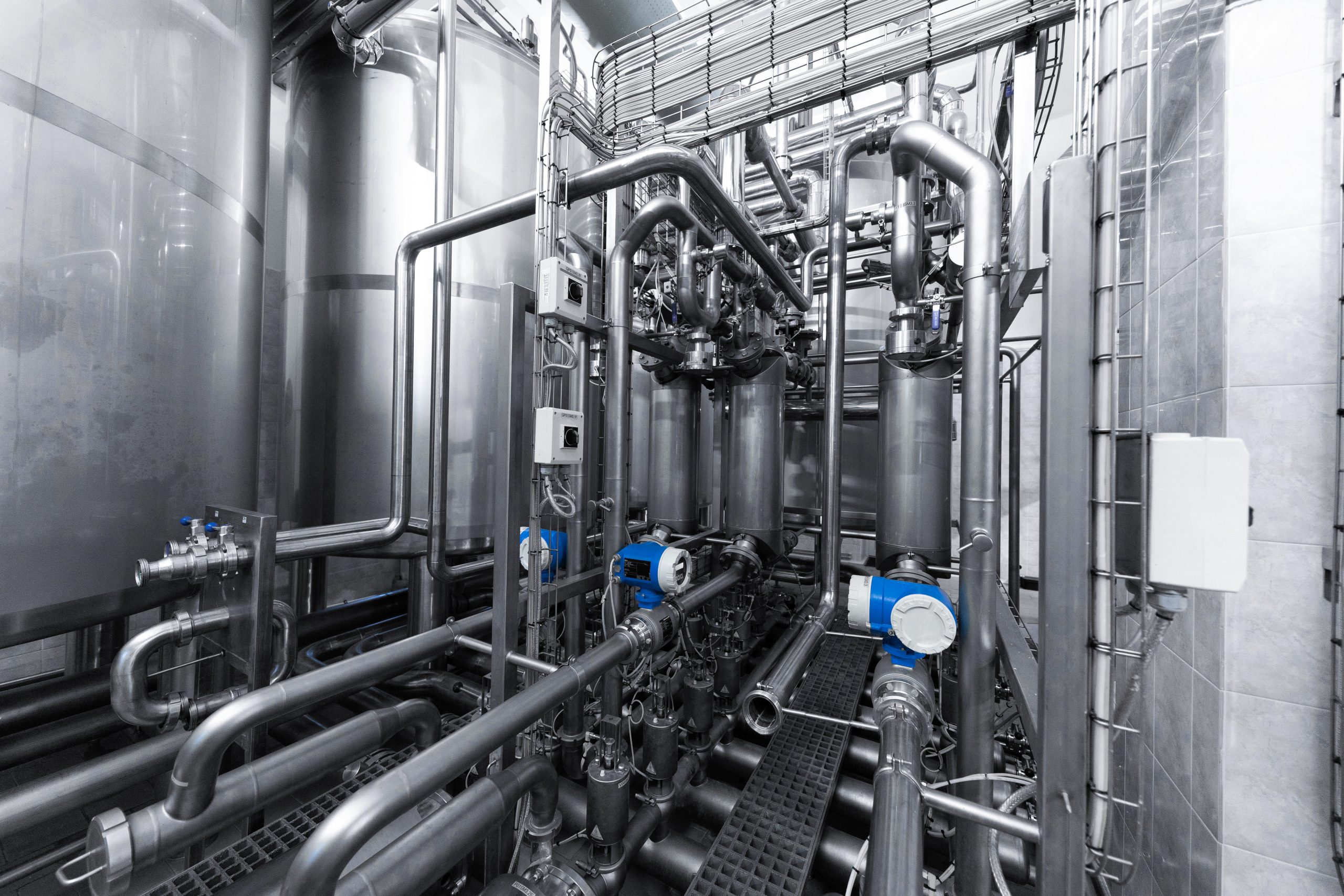
Qatar’s Air Separation Unit (ASU) industry is becoming increasingly important as the country expands its energy, manufacturing, and industrial capabilities. Air separation units produce essential industrial gases such as oxygen, nitrogen, and argon, which are widely used across LNG processing, petrochemicals, healthcare, metal fabrication, and emerging clean-energy applications. The market is benefiting from Qatar’s broader economic diversification agenda and large-scale industrial investments. Industrial hubs such as Ras Laffan and Mesaieed continue to create strong demand for high-purity industrial gases. As Qatar strengthens its position as a global energy and manufacturing center, the need for reliable and efficient gas production infrastructure is expected to grow steadily. Qatar’s LNG production capacity expansion from 77 million tons per annum to 126 million tons further highlights the scale of industrial activity supporting demand for ASUs.
Market Drivers Advancing the Qatar’s Air Separation Unit Industry
Expanding LNG and Gas Processing Infrastructure
One of the strongest growth drivers for Qatar’s ASU market is the rapid expansion of its LNG sector. Nitrogen produced by air separation units is critical for liquefaction processes, pipeline purging, inerting operations, and cryogenic applications. The North Field expansion project is expected to increase Qatar’s LNG production capacity from 77 million tons annually to 126 million tons, creating significant opportunities for industrial gas suppliers and ASU operators. Additionally, Ras Laffan Industrial City remains one of the world’s largest energy and gas-processing hubs, generating consistent demand for oxygen and nitrogen across multiple facilities.
Growth of Manufacturing and Petrochemical Activities
Beyond energy, Qatar is actively building a stronger manufacturing ecosystem. Petrochemicals, chemicals, metals, and construction-material industries all require industrial gases for production processes, welding, combustion enhancement, and safety applications. The government’s manufacturing strategy aims to increase industrial value creation, encourage private-sector participation, and strengthen the country’s industrial competitiveness. Such developments are expected to boost long-term demand for ASU-generated gases.
Rising Focus on Sustainability and Advanced Industries
Qatar’s industrial transformation is increasingly centered around innovation, sustainability, and technology-driven growth. Air separation units equipped with advanced cryogenic technologies help improve energy efficiency and reduce operational costs. Industrial gases are also finding new applications in hydrogen production, carbon management initiatives, healthcare infrastructure, and advanced manufacturing facilities. As industries seek cleaner and more efficient production methods, demand for high-purity gases is likely to increase.
Government Initiatives Supporting the Qatar’s Air Separation Unit Industry
Government initiatives remain a major catalyst for industrial expansion in Qatar. The Qatar National Vision 2030 promotes economic diversification, advanced manufacturing, technological innovation, and sustainable industrial development. In addition, the National Manufacturing Strategy includes dozens of projects aimed at enhancing local industrial capabilities, increasing private-sector investment, and building globally competitive industries. The government is also targeting substantial foreign direct investment inflows and stronger non-hydrocarbon economic growth, creating favorable conditions for ASU investments.
Competitive Landscape of the Qatar Air Separation Unit Industry
The competitive landscape is characterized by the presence of leading international and regional industrial gas companies. Major participants include Air Liquide, Linde, Air Products, NIGP, and local industrial gas suppliers that serve LNG, petrochemical, healthcare, and manufacturing sectors. Competition increasingly revolves around technological efficiency, long-term supply agreements, sustainability initiatives, and proximity to major industrial customers. Companies are also investing in advanced cryogenic solutions to improve gas purity and operational performance.
Challenges Facing Qatar’s Air Separation Unit Industry
High Capital and Energy Requirements
Air separation units require significant upfront investment, sophisticated equipment, and continuous energy consumption. These factors can increase project costs and create barriers for new market entrants, particularly during periods of industrial uncertainty.
Dependence on Industrial Project Timelines
The ASU industry’s growth remains closely linked to major energy and manufacturing projects. Delays in infrastructure developments, plant expansions, or industrial investments can temporarily affect demand growth and project profitability.
Future Outlook
The outlook for Qatar’s Air Separation Unit market remains highly promising. Continued LNG expansion, industrial diversification, petrochemical growth, and manufacturing development are expected to sustain strong demand for oxygen, nitrogen, and argon over the coming decade. The country’s ambition to become a globally competitive industrial and energy hub is creating long-term opportunities for industrial gas producers. With the North Field expansion, advanced manufacturing initiatives, and National Vision 2030 objectives moving forward, ASU operators are well positioned to benefit from a steadily expanding customer base. As industries adopt cleaner technologies and higher-efficiency operations, the role of air separation units in Qatar’s industrial ecosystem will become even more significant.
Consultants at Nexdigm, in their latest publication “Qatar Air Separation Unit Market Outlook to 2035” analyze the sector By Gas Product Type (Medical Grade Liquid Oxygen and Industrial Cutting Oxygen), By End User Industry (LNG and Petrochemicals, Primary Metal Processing) and By Operational Technology (Cryogenic Distillation Units, Pressure Swing Adsorption and Membrane Separation Systems).
Nexdigm suggests that businesses in “Qatar Air Separation Unit Industry” focusses on oilfield, desalination, construction, and industrial applications, strengthen local warehousing, develop application-specific grades, improve technical support, and build resilient sourcing networks to serve expanding energy, water, and manufacturing demand.
To take the next step, simply visit our Request a Consultation page and share your requirements with us.
Harsh Mittal
+91-8422857704