
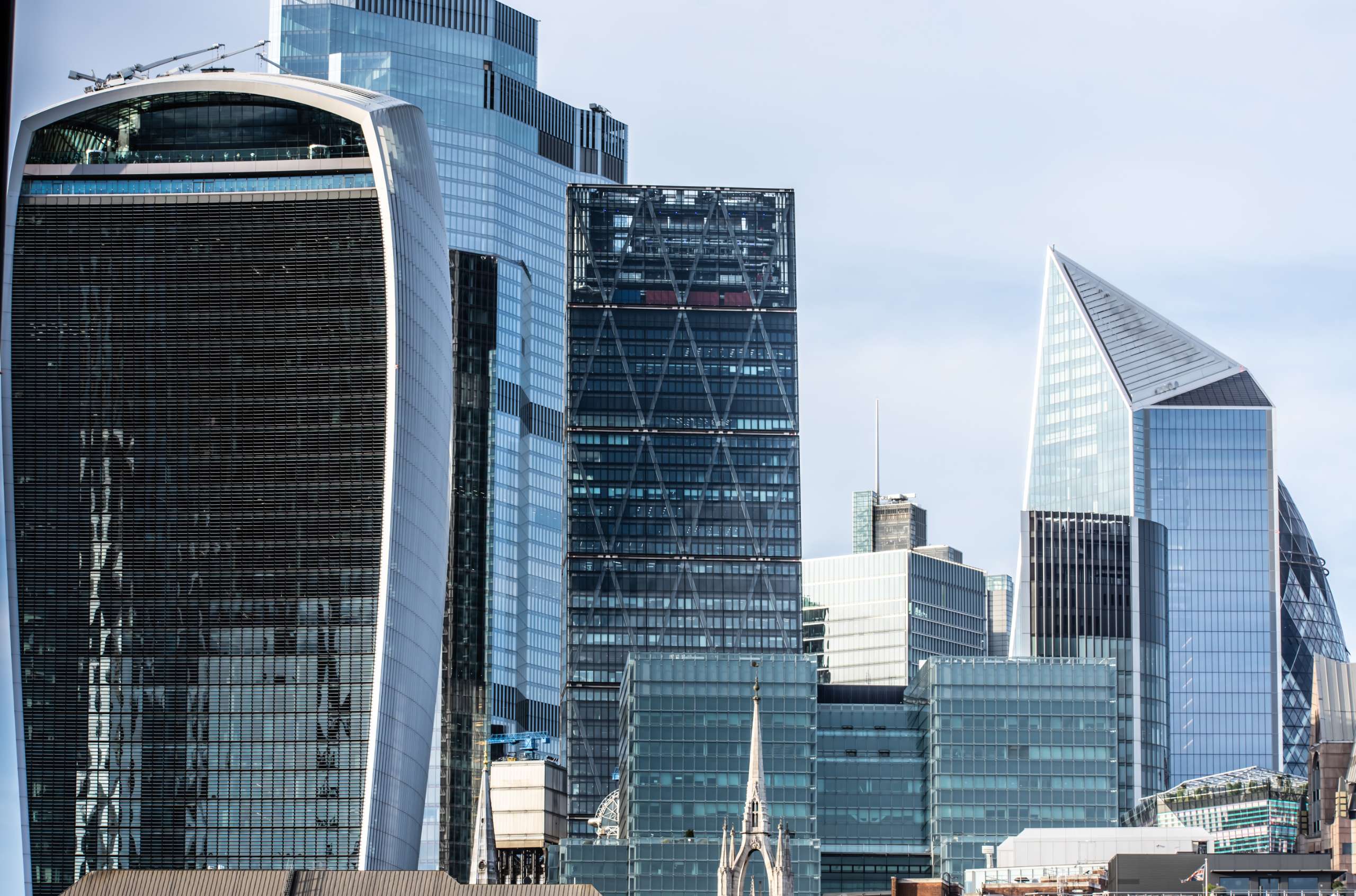
Qatar’s architectural and construction glass market continues to gain momentum as the country advances its urban development, infrastructure modernization, and real estate diversification agenda. Architectural glass has become a critical component in commercial towers, premium residential developments, hospitality projects, transportation hubs, and public infrastructure due to its ability to improve energy efficiency, aesthetics, and occupant comfort. With Qatar’s construction sector projected to maintain a project pipeline exceeding USD 58 billion and the nation’s non-hydrocarbon economy contributing nearly 64% of GDP in 2024, demand for advanced glass solutions such as insulated glazing, low-E glass, and solar-control glass is expected to remain strong across both public and private sector developments.
Key Market Drivers for Qatar’s Architectural and Construction Glass Industry
Massive Infrastructure Pipeline and Construction Spending Strengthen Glass Demand
Qatar’s architectural and construction glass market is benefiting from one of the largest construction pipelines in the Gulf region. As of 2025, the country has more than USD 58 billion worth of active construction and infrastructure projects under development, including commercial districts, transport networks, residential communities, healthcare facilities, and tourism projects. Furthermore, Qatar allocated approximately QAR 210 billion (USD 57.7 billion) under its medium-term development plans to accelerate infrastructure modernization and urban expansion. The continued development of Lusail City, mixed-use developments, and public infrastructure projects is significantly increasing demand for façade glass, tempered glass, laminated glass, and insulated glazing systems that improve both aesthetics and building performance.
Energy-Efficient Building Requirements Accelerate Adoption of Advanced Glazing
Sustainability is becoming a major growth catalyst for architectural glass demand in Qatar. The country experiences summer temperatures frequently exceeding 45°C, making cooling efficiency a critical consideration for building developers. According to regional building energy assessments, cooling systems can account for 60–70% of total building energy consumption in Gulf countries. As a result, developers are increasingly investing in Low-E glass, solar-control glass, double-glazed units, and insulated façades that can reduce solar heat gain by up to 40–50% compared with conventional glazing systems. The growing adoption of GSAS-certified green buildings and energy-efficient commercial properties is further strengthening demand for high-performance architectural glass solutions.
Tourism Growth and Premium Real Estate Development Create New Opportunities
The rapid expansion of tourism and luxury real estate continues to generate substantial opportunities for Qatar’s architectural glass industry. Qatar welcomed approximately 5.1 million international visitors in 2024, representing one of the strongest tourism performances in its history. In addition, the hospitality sector added thousands of hotel rooms in preparation for long-term tourism growth and international business activity. New waterfront developments, luxury residences, commercial towers, and mixed-use destinations increasingly feature floor-to-ceiling glass façades, panoramic glazing systems, skylights, and decorative architectural glass. This trend is driving higher demand for premium glass products that combine aesthetic appeal, thermal performance, acoustic insulation, and occupant comfort.
Government Support Driving Sustainable Building Practices and Architectural Glass Adoption
The Qatari government continues to promote sustainable urban development through Qatar National Vision 2030 and the Third National Development Strategy (2024–2030). These initiatives prioritize infrastructure modernization, private-sector participation, green construction practices, and economic diversification. Additionally, the Global Sustainability Assessment System (GSAS) has become a key benchmark for sustainable buildings, encouraging wider adoption of energy-efficient glazing and environmentally responsible construction materials across new developments.
Competitive Landscape of Qatar’s Architectural and Construction Glass Industry
Qatar’s architectural and construction glass market remains highly competitive, supported by a construction sector valued at approximately QAR 133.6 billion (USD 36.7 billion) in 2024 and an active project pipeline exceeding USD 58 billion. Market participants compete through energy-efficient glazing technologies, customized façade solutions, and compliance with sustainability standards such as GSAS. As demand grows for Low-E glass, insulated glazing units, and solar-control glass, suppliers with strong technical expertise, project execution capabilities, and value-added services are strengthening their position across commercial, residential, and infrastructure projects.
Market Challenges Facing Qatar’s Architectural and Construction Glass Industry
Dependence on Imported Specialty Glass and Raw Materials
Qatar’s architectural glass industry relies heavily on imported high-performance products, including Low-E glass, solar-control coatings, laminated glass interlayers, and façade components. As construction activity remains strong, with the sector valued at approximately QAR 133.6 billion in 2024, fluctuations in global freight rates, raw material prices, and international supply chains can affect procurement costs and project timelines. These dependencies create pricing pressures for suppliers and contractors operating in large-scale commercial and infrastructure developments.
Increasing Sustainability and Building Performance Requirements
The growing emphasis on energy efficiency and sustainable construction continues to raise technical requirements for architectural glass manufacturers and suppliers. Under initiatives such as Global Sustainability Assessment System (GSAS), developers increasingly demand glazing solutions that offer superior thermal insulation, solar control, safety, and acoustic performance. Meeting these evolving standards requires continuous investment in advanced processing technologies, product testing, and certification capabilities, which can increase operational costs while intensifying competition among market participants.
Future Outlook
Looking ahead, Qatar’s architectural and construction glass market is expected to benefit from sustained investments in commercial real estate, tourism infrastructure, industrial facilities, and next-generation urban developments. The country’s construction industry is forecast to maintain steady growth through the coming decade, supported by ongoing diversification initiatives and infrastructure expenditure. Demand will increasingly shift toward smart glass systems, low-E glazing, solar-control glass, and high-performance insulated units that improve building efficiency and sustainability. Companies that focus on innovation, energy-efficient technologies, and customized architectural solutions will be better positioned to capitalize on Qatar’s evolving construction landscape and long-term development ambitions.
Consultants at Nexdigm, in their latest publication “Qatar Architectural and Construction Glass Market Outlook to 2035,” analyse the sector By Glazing Product Type (Clear Float Glass, Tinted Float Glass and Reflected Float Glass), By Construction Application (Commercial Real Estate and Residential High-Rise Developments) and By Project Ownership (Government Public Sector, Private Institutional Developers and Joint Venture Public-Private).
Nexdigm suggests that businesses in Qatar’s Architectural and Construction Glass Industry focus on energy-efficient glazing, sustainable façade solutions, strategic developer partnerships, and advanced processing capabilities to capitalize on growing infrastructure and urban development opportunities.
To take the next step, simply visit our Request a Consultation page and share your requirements with us.
Harsh Mittal
+91-8422857704