
Qatar’s energy sector is gradually moving towards a more diversified and sustainable power generation model, creating new opportunities for battery energy storage systems (BESS) in microgrids. With rising electricity consumption, increasing investments in solar energy, and growing demand for reliable power supply, energy storage is becoming an important part of the country’s energy transition. Microgrids equipped with battery storage can help industrial facilities, commercial establishments, and critical infrastructure manage electricity consumption more efficiently. By 2035, the market is expected to benefit from renewable energy expansion, technological improvements, and the growing focus on energy resilience.
Key Market Drivers Supporting Qatar’s Battery Energy Storage for Microgrids Industry
Growing Solar Energy Deployment and Renewable Integration
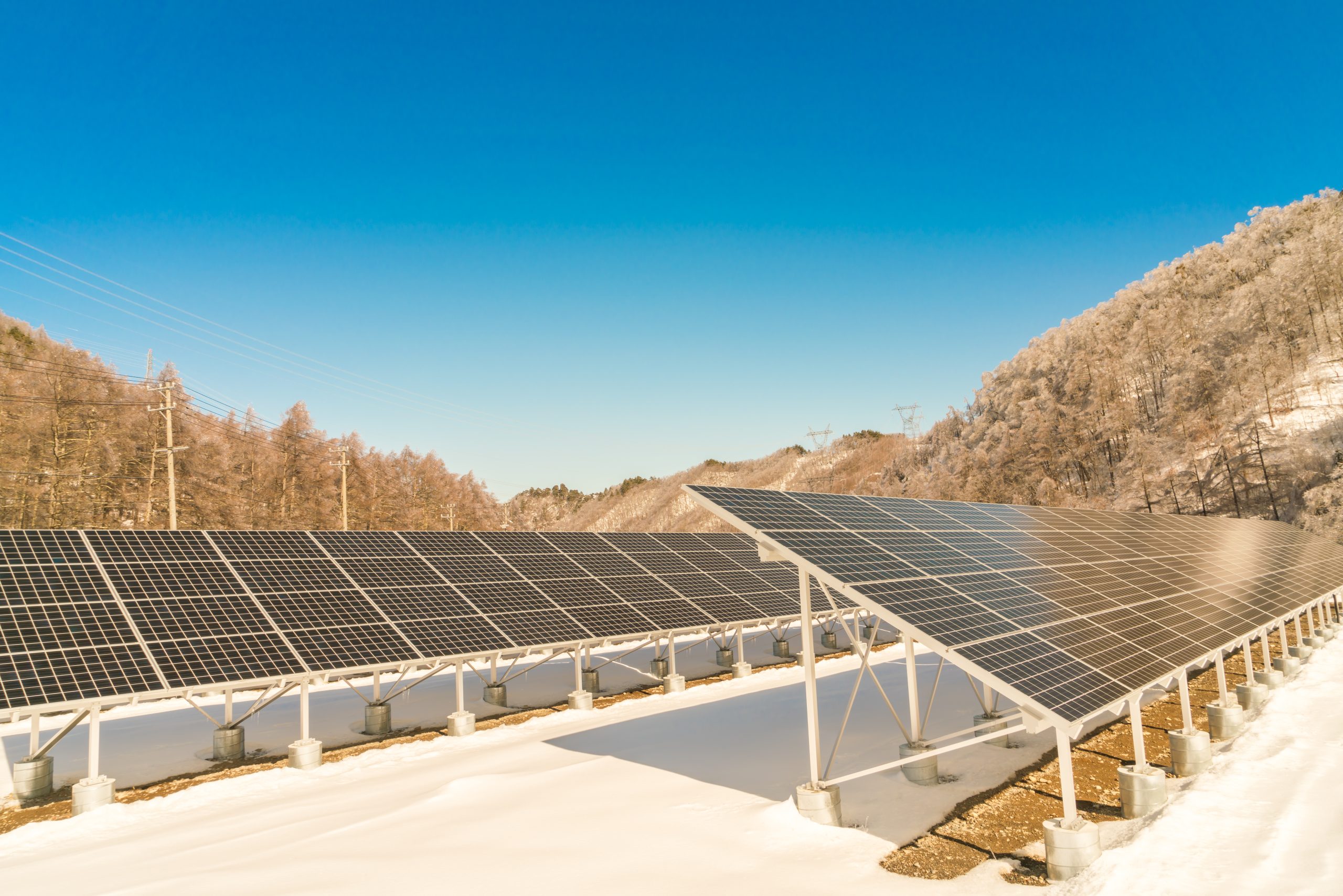
Qatar’s increasing investment in solar power is creating a strong foundation for battery energy storage adoption. Under its National Renewable Energy Strategy, the country aims to achieve approximately 4 GW of utility-scale renewable energy capacity by 2030, with renewables accounting for around 18% of the electricity mix. As solar generation expands, batteries will play an important role in storing excess daytime electricity and supplying power during periods of lower solar generation. This creates opportunities for solar-plus-storage microgrids across industrial and commercial facilities.
Rising Electricity Demand and Need for Reliable Power Supply
Qatar experiences substantial electricity demand during the summer months, largely because of extensive air-conditioning requirements and industrial activities. Battery storage can help businesses manage peak loads, reduce dependence on conventional backup generators, and maintain uninterrupted electricity supply. Industrial zones, healthcare facilities, data centres, and commercial complexes are potential users of microgrid-based storage solutions. These systems can also improve operational flexibility by allowing facilities to manage their electricity requirements locally.
Technological Advancements and Declining Battery Costs
Improvements in lithium-ion battery technology, particularly lithium iron phosphate (LFP) batteries, are making energy storage systems increasingly attractive. Higher energy density, improved operational life, and better safety management are supporting their adoption in distributed energy applications. Additionally, intelligent energy management systems are enabling microgrids to coordinate solar generation, battery charging, and electricity consumption more effectively. As installation and operating costs become more competitive, battery storage is expected to gain greater acceptance among Qatar’s industrial and commercial users.
Government Support and Renewable Energy Initiatives Strengthening Industry Development
The Qatari government is supporting renewable energy development through the Qatar National Renewable Energy Strategy, introduced by KAHRAMAA in 2024. The strategy targets 4 GW of utility-scale renewable energy capacity and approximately 200 MW of distributed renewable generation by 2030. Additionally, KAHRAMAA installed Qatar’s first pilot battery storage project in 2020, featuring 1 MW/4 MWh of storage capacity at the Nuaija substation. Such initiatives are helping establish the technical foundation for wider battery adoption and future microgrid development.
Competitive Landscape and Emerging Industry Participants in Qatar
Qatar’s battery energy storage market is developing through the participation of international battery manufacturers, energy technology providers, engineering companies, and local infrastructure contractors. Companies offering lithium-ion batteries, power conversion systems, microgrid controllers, and integrated energy management solutions are well positioned to explore emerging opportunities. Competition is likely to focus on system efficiency, battery lifespan, safety standards, installation costs, and after-sales support. Strategic partnerships with local utilities and industrial operators will also be important for securing future projects.
Market Challenges Affecting Battery Energy Storage Adoption
High Initial Investment and Project Economics
Despite improving battery affordability, installing microgrid-scale storage systems requires considerable upfront investment. Battery procurement, power conversion equipment, cooling infrastructure, and integration costs can make projects financially challenging, particularly for smaller businesses.
Climate Conditions and Regulatory Uncertainty
Qatar’s extreme summer temperatures create additional requirements for battery cooling, thermal management, and system protection. Furthermore, the development of clear regulations, grid interconnection standards, and commercial incentives will be important to encourage private investment and accelerate large-scale adoption.
Future Outlook
Qatar’s battery energy storage market for microgrids is expected to develop steadily through 2035, supported by expanding solar capacity, industrial modernization, and growing interest in decentralized energy management. Industrial facilities, smart cities, commercial buildings, and critical infrastructure are likely to emerge as important application areas. Lithium-ion and LFP technologies are expected to remain prominent, while second-life EV batteries could create additional opportunities for cost-effective storage solutions. As government initiatives, technology improvements, and private-sector investments progress, battery-powered microgrids will become increasingly relevant to Qatar’s long-term energy resilience and sustainability ambitions.
Consultants at Nexdigm, in their latest publication “Qatar Battery Energy Storage for Microgrids Market Outlook to 2035,” analyze the sector by Energy Storage Technology (Lithium-Ion Chemistries, Flow Battery Systems, Mechanical Storage, Hydrogen-Integrated Systems), By Microgrid Deployment Segment (Remote Indigenous Communities, Industrial Mining Operations, Remote Oil and Gas Facilities), and By Power Capacity Tier (Small Scale, Medium Scale, Large Scale).
Nexdigm suggests that businesses should capitalize on Qatar’s growing renewable energy ambitions by investing in advanced battery storage technologies, developing strategic partnerships, and exploring solar-integrated microgrid solutions. Prioritizing energy efficiency, cost optimization, and regulatory alignment will help businesses strengthen their market positioning through 2035.
To take the next step, simply visit our Request a Consultation page and share your requirements with us.
Harsh Mittal
+91-8422857704