
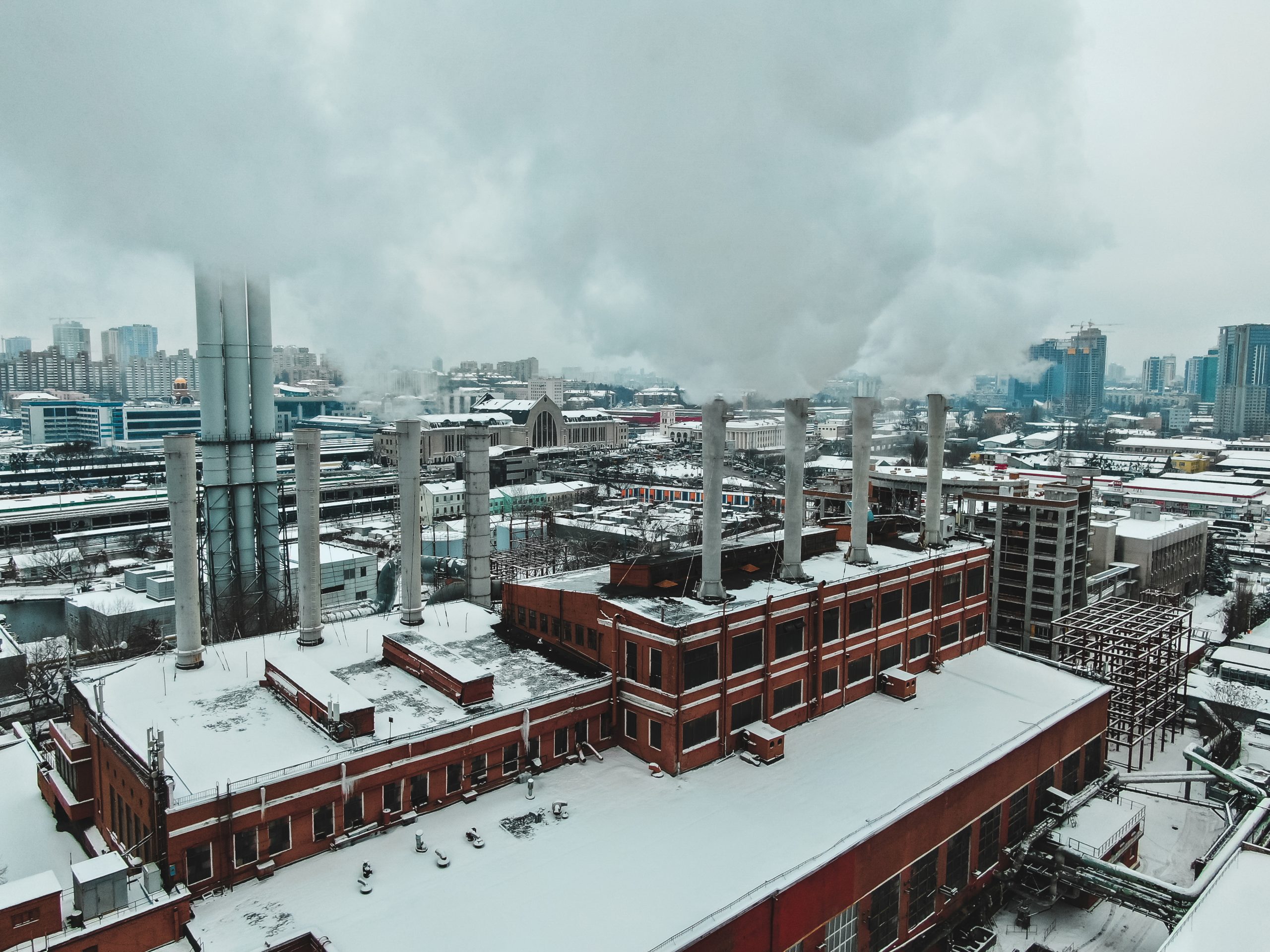
The Qatar Building Thermal Insulation market is evolving, supported by increasing demand for energy-efficient buildings, sustainable construction, modern infrastructure, and advanced insulation technologies. Thermal insulation materials, including glass wool, rock wool, rigid foam boards, and reflective insulation, help minimise heat transfer and improve indoor thermal comfort. Qatar’s construction sector contributed approximately QAR 19.2 billion to national GDP during the first quarter of 2025, highlighting opportunities for advanced building materials. Extreme summer temperatures, expanding commercial infrastructure, and growing sustainability commitments are creating long-term opportunities for insulation manufacturers, distributors, and construction contractors.
Growth Drivers Shaping Qatar’s Building Thermal Insulation Industry
Extreme Temperatures and Cooling Requirements Accelerate Insulation Demand
Qatar’s hot desert climate, prolonged summers, and high air-conditioning requirements are supporting demand for building thermal insulation across residential, commercial, and industrial properties. Summer temperatures regularly exceed 45°C, increasing dependence on cooling systems and efficient building envelopes. Space cooling accounts for approximately 60–80% of building electricity demand, highlighting opportunities for thermal efficiency improvements. Advanced insulation materials help minimise unwanted heat transfer through roofs, walls, and ceilings, reducing cooling loads and improving indoor comfort. Growing demand for energy-efficient commercial properties, sustainable residential developments, and green-certified infrastructure is encouraging developers to adopt mineral wool, rigid foam boards, and reflective insulation technologies.
Construction Expansion and Infrastructure Development Support Market Growth
Increasing investment in residential housing, commercial buildings, hospitality facilities, and industrial infrastructure is creating opportunities for thermal insulation manufacturers. Qatar’s construction sector recorded approximately 3.6% growth in 2024, reflecting continued infrastructure development. Additionally, the sector contributed approximately 10.6% of national GDP during the first quarter of 2025, demonstrating its economic significance. Thermal insulation materials are widely used in building roofs, external walls, ceilings, floors, and industrial facilities to improve energy performance. Expansion of commercial complexes, healthcare infrastructure, logistics facilities, and residential communities is supporting demand for durable, lightweight, and high-performance insulation solutions.
Sustainable Materials and Advanced Insulation Technologies Encourage Market Expansion
Growing emphasis on environmental sustainability, resource efficiency, and advanced construction materials is encouraging innovation in thermal insulation technologies. Manufacturers are increasingly developing high-performance mineral wool, polyisocyanurate boards, extruded polystyrene, and reflective thermal barriers. These materials offer improved thermal resistance, fire performance, acoustic insulation, and installation flexibility, supporting adoption across residential, commercial, and industrial buildings.
Government Supporting Qatar Building Thermal Insulation Industry Development
Qatar’s government is encouraging energy-efficient infrastructure through Qatar National Vision 2030, the Tarsheed National Programme for Conservation and Energy Efficiency, and Global Sustainability Assessment System standards. National thermal insulation requirements establish a maximum roof heat transfer coefficient of 0.437 W/m²K and an external wall limit of 0.568 W/m²K. KAHRAMAA has also highlighted potential building energy savings of 30–40% through effective thermal insulation. These initiatives support investment in efficient building envelopes, sustainable construction materials, and advanced insulation technologies.
Competitive Dynamics Across Qatar’s Building Thermal Insulation Industry
The Qatar building thermal insulation market includes domestic insulation manufacturers, multinational building material suppliers, specialised distributors, and construction contractors. Relevant industry participants include Qatar Insulation Material Company, ROCKWOOL, Kingspan Group, Saint-Gobain, Knauf Insulation, and Gulf Insulation Group. Competition centers on thermal resistance, fire safety, moisture resistance, product durability, pricing, and regulatory compliance. Manufacturers are increasingly focusing on advanced mineral wool products, rigid insulation boards, and sustainable material technologies. Suppliers offering certified products, reliable contractor partnerships, local distribution capabilities, and customised installation solutions can strengthen competitiveness across residential, commercial, and industrial applications.
Challenges Influencing Qatar’s Building Thermal Insulation Industry
High Installation Costs and Raw Material Price Volatility
Higher initial material and installation costs can restrict adoption among price-sensitive property owners and smaller developers. Fluctuations in mineral wool inputs, petrochemical-based foams, energy expenses, and imported raw material prices can affect manufacturing profitability and insulation product pricing.
Extreme Climate Conditions and Installation Quality Requirements
Intense summer heat, prolonged ultraviolet exposure, dust accumulation, and moisture variations can affect insulation performance and durability. Improper installation, thermal bridging, and inadequate moisture protection may reduce effectiveness. Addressing these challenges requires climate-resistant materials, certified products, skilled installation professionals, quality testing, and appropriate building envelope design.
Future Outlook
The Qatar building thermal insulation market is expected to experience sustained expansion, supported by increasing demand for energy-efficient infrastructure, sustainable construction, and improved indoor thermal comfort. Growing adoption of advanced mineral wool insulation, rigid foam boards, reflective barriers, and environmentally responsible materials will create opportunities for manufacturers and distributors. Expansion of residential communities, commercial developments, industrial facilities, and infrastructure renovation projects will further strengthen market demand. As Qatar advances its green building and energy conservation initiatives, companies offering durable insulation products, cost-effective manufacturing, reliable distribution networks, and customised installation solutions should remain well positioned for long-term market growth.
Consultants at Nexdigm, in their latest publication “Qatar Building Thermal Insulation Market Outlook to 2035,” analyze the sector By Material Composition (Mineral Wool, Stone Wool Panels, Glass Wool Batts, Slag Wool Boards, High-Density Rigid Fiber, Plastic Foam, Extruded Polystyrene XPS, Expanded Polystyrene EPS, Polyurethane Foam PUR, Polyisocyanurate PIR, Natural Fibers, Cellulose Loose Fill, Sheep Wool Batting)
Nexdigm suggests that businesses in the Qatar Building Thermal Insulation Market Outlook to 2035 should prioritize high-performance insulation materials, climate-resistant technologies, sustainable manufacturing, regulatory compliance, and strategic construction partnerships to strengthen competitiveness and capture growing energy-efficient building opportunities.
To take the next step, simply visit our Request a Consultation page and share your requirements with us.
Harsh Mittal
+91-8422857704