
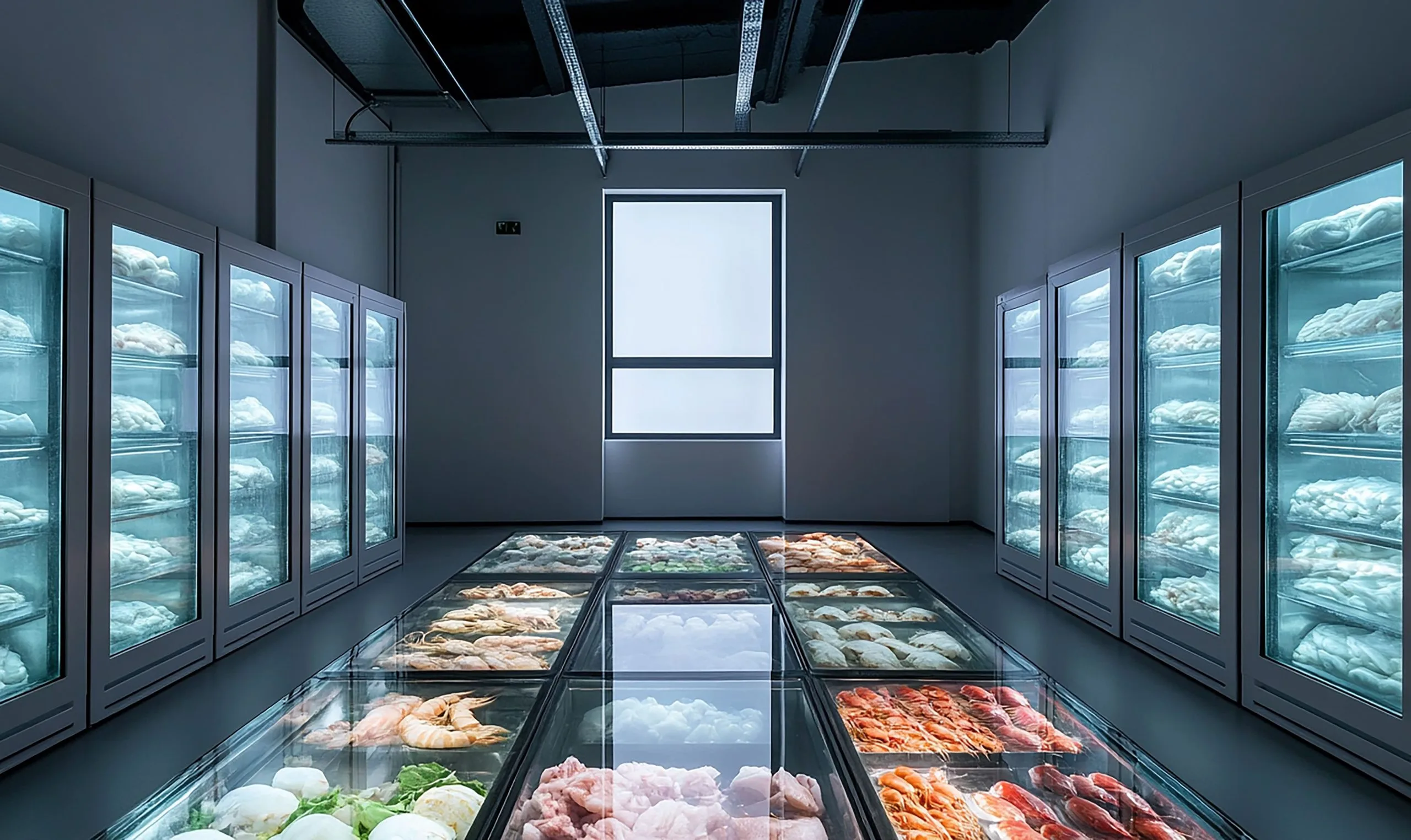
Qatar cold chain logistics market has moved from being a support function to a core part of national supply security. For a country that imports much of its food, temperature-controlled storage and transport are not optional conveniences. They are essential infrastructure. Fresh fruit from Europe, meat from Australia, seafood from Asia, and specialty medicines from global manufacturers all depend on reliable handling from port to warehouse to final destination. By 2026, demand has broadened beyond food imports alone. Hospitals need precise handling for vaccines and biologics, supermarkets want wider chilled assortments, and online grocery platforms need rapid doorstep delivery without compromising product quality. Qatar has also invested heavily in logistics assets such as Hamad Port and Hamad International Airport, giving the country an edge in transit efficiency. That said, operating cold chain assets in desert conditions remains expensive, and margins can be tighter than many outsiders assume.
What’s Driving the Cold Chain Logistics Market in Qatar?
Food Imports and Changing Consumer Habits
Qatar still depends heavily on imported food, particularly dairy, produce, frozen meat, and packaged chilled goods. That alone creates steady demand for refrigerated warehousing and transport. Yet the bigger story is changing consumption habits. Shoppers now expect berries in summer, premium cuts year-round, and ready meals that hold freshness for days. Retailers have responded by expanding chilled shelf space and broadening SKU counts. In practice, that means more pallet movement, stricter temperature checks, and faster inventory rotation. Waste reduction has become just as important as sales growth. A crate of produce lost to poor handling can erase profit quickly.
Healthcare and Pharmaceutical Handling
Healthcare logistics has become one of the more sophisticated corners of the market. Qatar’s hospital network and specialty clinics rely on imported medicines, lab materials, and temperature-sensitive treatments. Some products tolerate little deviation, even for short periods. This has raised the bar for operators. Basic refrigerated rooms are no longer enough. Providers now compete on audit readiness, sensor-based monitoring, backup power systems, and validated transport processes. For pharmaceutical clients, trust matters as much as storage capacity. One failure can cost more than a missed shipment.
E-Commerce and Faster Last-Mile Delivery
Online grocery and pharmacy delivery has added a new layer of complexity. Consumers ordering frozen foods or chilled dairy expect the same convenience as ordering electronics. The difference is that ice cream melts and insulin cannot sit in traffic. As a result, logistics firms are building smaller urban fulfillment nodes, insulated van fleets, and route-planning systems that shorten delivery windows. This segment still has room to mature, but it is reshaping how cold chain capacity gets used inside cities.
Government-Led Initiatives Supporting Logistics Growth
Public investment has played a decisive role. Hamad Port transformed maritime cargo handling capacity, while airport cargo facilities improved air freight options for perishables and urgent medical shipments. These projects matter because time lost at entry points often becomes product loss later. Qatar National Vision 2030 has also encouraged food resilience through domestic farming, greenhouse cultivation, and selective local production. That may seem like competition for imports, but it actually creates fresh demand for farm-side cooling, regional distribution, and modern storage networks.
Market Competition and Distribution Landscape
The market includes multinational names such as DHL Supply Chain, Kuehne+Nagel, and regional specialists, alongside local warehouse and transport operators. Large players usually win complex contracts tied to retail chains, healthcare groups, or integrated freight programs. Smaller firms often compete through flexibility and faster decision-making. Pricing matters, but service failures matter more. A cheaper provider can become costly if rejection rates rise or stock expires early. That reality tends to reward firms with dependable operations rather than firms chasing low headline rates.
High Cooling Costs in a Harsh Climate
Running refrigerated assets in Qatar is expensive. Summer heat places constant pressure on compressors, insulated vehicles, loading docks, and backup systems. Electricity use can be substantial, particularly in older facilities. A common challenge is temperature fluctuation during loading, when warehouse doors open repeatedly in peak heat. Even well-run sites face this issue. Operators therefore need better dock design, disciplined handling processes, and regular equipment maintenance. Energy-efficient upgrades help, though they require upfront capital many smaller firms hesitate to commit.
Future Outlook
By 2035, Qatar’s cold chain market should look more advanced and more specialized than it does today. Automation inside warehouses, real-time shipment visibility, and tighter pharmaceutical compliance standards are likely to become standard practice rather than premium extras. The strongest opportunities may come from high-value segments such as healthcare logistics, premium food retail, and regional redistribution through air-sea connections. Not every operator will benefit equally. Firms relying on basic storage alone may struggle, while those offering reliability, traceability, and faster turnaround should capture the better margins.
Consultants at Nexdigm, in their latest publication “Qatar Cold Chain Logistics Market Outlook to 2035”, analyzed the market by Service Type (Cold Storage, Refrigerated Transportation, Value-Added Services), By End User (Food & Beverage, Pharmaceuticals, Retail, Hospitality, Chemicals), and By Mode of Transport (Road, Air, Sea). Nexdigm believes businesses should focus on efficient facilities, compliance-led service models, and technology that solves real operational problems rather than simply adding cost.
To take the next step, simply visit our Request a Consultation page and share your requirements with us.
Harsh Mittal
+91-8422857704