
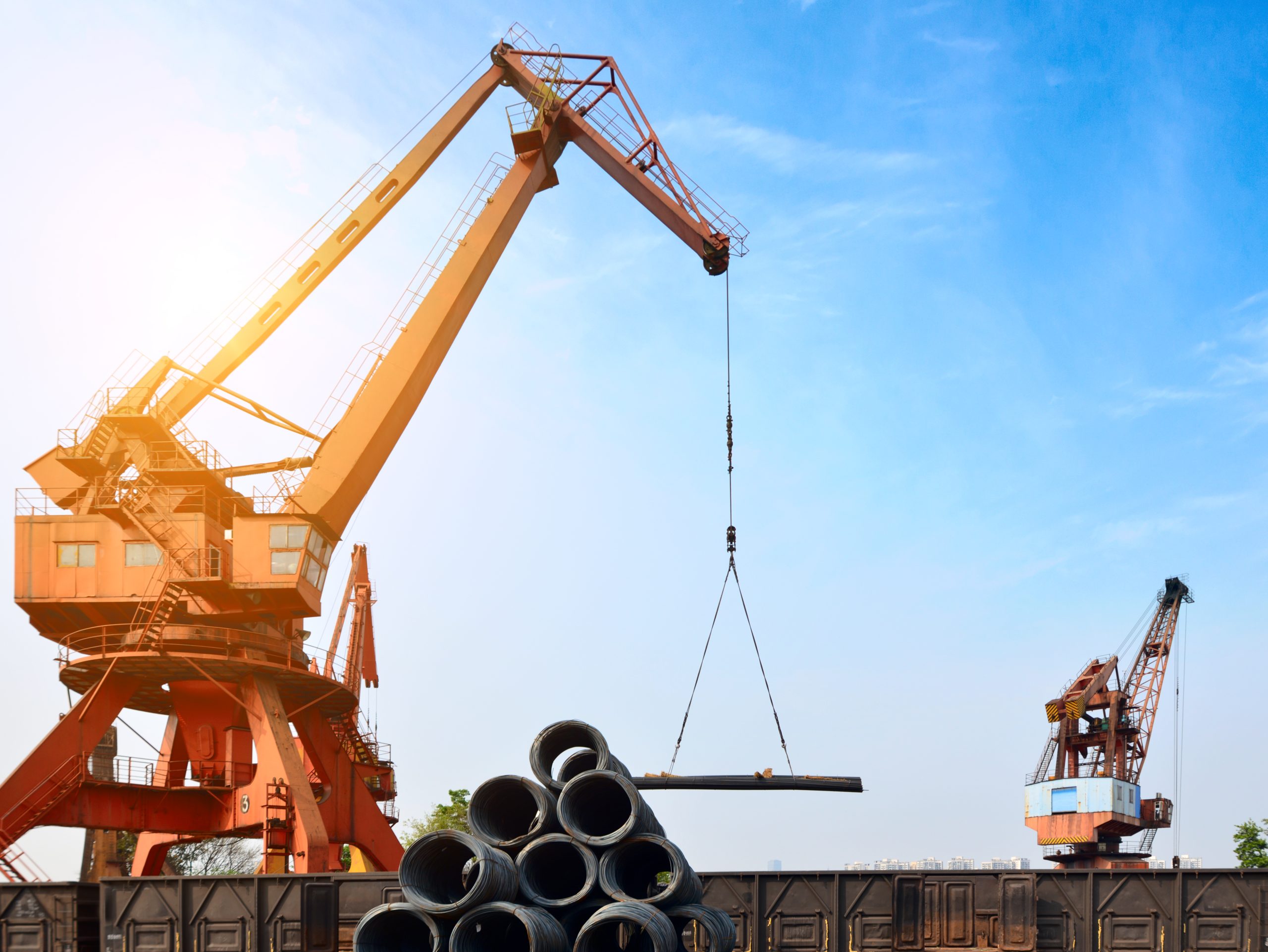
Qatar’s construction equipment market is evolving alongside the country’s ambitious infrastructure and industrial development agenda. With over USD 200 billion invested in major infrastructure projects over the past decade, Qatar has transformed its transportation networks, urban centers, and industrial facilities. This momentum continues through new logistics hubs, energy developments, commercial projects, and smart city initiatives. As contractors seek greater efficiency and faster project completion, demand for advanced construction machinery such as excavators, cranes, wheel loaders, and graders is steadily increasing. The market is also benefiting from the growing preference for rental equipment and digital fleet management solutions.
Market Drivers Advancing the Qatar Construction Equipment Industry
Massive Infrastructure Development Continues to Create Equipment Demand
Infrastructure remains the backbone of Qatar’s construction equipment industry. The country’s extensive investments in highways, metro connectivity, ports, airports, and urban developments continue to generate demand for heavy machinery. Projects linked to urban expansion and commercial real estate require large fleets of earthmoving and material-handling equipment. The successful development of major transportation assets such as Hamad International Airport, Hamad Port, and the Doha Metro has established a strong foundation for continued construction activity. As new residential communities, tourism destinations, and logistics facilities emerge, contractors increasingly rely on modern machinery to meet tight project schedules and productivity targets.
Energy Sector Investments Strengthen Construction Activity Across Qatar
Qatar’s position as one of the world’s leading LNG producers continues to drive industrial construction. Large-scale gas expansion projects, processing facilities, storage infrastructure, and associated industrial developments require specialized construction equipment throughout the project lifecycle. The ongoing North Field expansion program has boosted demand for excavators, cranes, lifting equipment, and heavy-duty trucks. These projects not only create direct opportunities for equipment suppliers but also stimulate supporting construction activities across industrial zones, creating a broader market ecosystem.
Equipment Rental Services Gain Popularity Among Contractors
A notable shift is occurring within Qatar’s construction industry as contractors increasingly opt for equipment rentals rather than outright purchases. Rental solutions provide flexibility, reduce upfront capital investments, and eliminate long-term maintenance responsibilities. This approach is particularly attractive for mid-sized contractors working on project-specific assignments. Access to modern, well-maintained equipment allows businesses to enhance operational efficiency while controlling costs, making rental services an increasingly important segment of the Qatar construction equipment market.
Government Initiatives Supporting the Qatar Construction Equipment Industry
The Government of Qatar continues to support construction activity through the implementation of Qatar National Vision 2030, which emphasizes economic diversification, infrastructure modernization, industrial growth, and sustainable urban development. Public investments in transportation corridors, industrial zones, logistics parks, and smart city projects are creating long-term opportunities for equipment suppliers. These initiatives are expected to sustain machinery demand while encouraging the adoption of technologically advanced and environmentally efficient construction equipment across the country.
Competitive Landscape of the Qatar Construction Equipment Sector
The Qatar construction equipment industry features strong competition among global manufacturers and regional distributors. Leading companies such as Caterpillar, Komatsu, Volvo Construction Equipment, Liebherr, Hitachi Construction Machinery, JCB, and Hyundai Construction Equipment maintain a significant presence in the market. Businesses are differentiating themselves through equipment reliability, digital monitoring solutions, after-sales support, operator training, and rental offerings. Strategic partnerships and fleet modernization initiatives also play an important role in strengthening market positions.
Challenges Impacting the Qatar Construction Equipment Industry
High Ownership and Operating Costs Impact Contractors
Modern construction equipment delivers greater efficiency but comes with substantial acquisition and maintenance costs. Small and medium-sized contractors often face challenges in upgrading fleets due to financial constraints. Rising expenses related to spare parts, servicing, and skilled operators can further impact profitability.
Dependence on Project Cycles Creates Market Volatility
The construction equipment market remains closely tied to infrastructure and industrial project pipelines. Any delays in project execution, investment decisions, or contractor mobilization can temporarily affect equipment utilization rates. As a result, suppliers and rental companies must carefully manage inventory and capacity planning to maintain operational stability.
Future Outlook
The outlook for Qatar’s construction equipment market remains highly promising as infrastructure development, industrial expansion, and economic diversification continue to shape the country’s growth story. Demand for advanced machinery is expected to increase with the expansion of logistics hubs, manufacturing facilities, energy infrastructure, and smart urban developments. Additionally, technologies such as telematics, predictive maintenance, automation, and fuel-efficient equipment will become increasingly important. As contractors focus on productivity, sustainability, and cost optimization, the Qatar construction equipment industry is well-positioned for sustained growth through 2035.
Consultants at Nexdigm, in their latest publication “Qatar Construction Equipment Market Outlook to 2035” analyze the sector By Equipment Category (Crawler Excavators, Wheeled Loaders and Motor Graders), By Ownership Model (In-House Fleet Purchase, Short-Term Equipment Rental and Used Asset Auction Markets) and By Power Source (Diesel Internal Combustion, Electric Battery Powered and Hybrid Diesel-Electric).
Nexdigm suggests that businesses in “ Qatar Construction Equipment Industry” focusses on oilfield, desalination, construction, and industrial applications, strengthen local warehousing, develop application-specific grades, improve technical support, and build resilient sourcing networks to serve expanding energy, water, and manufacturing demand.
To take the next step, simply visit our Request a Consultation page and share your requirements with us.
Harsh Mittal
+91-8422857704