
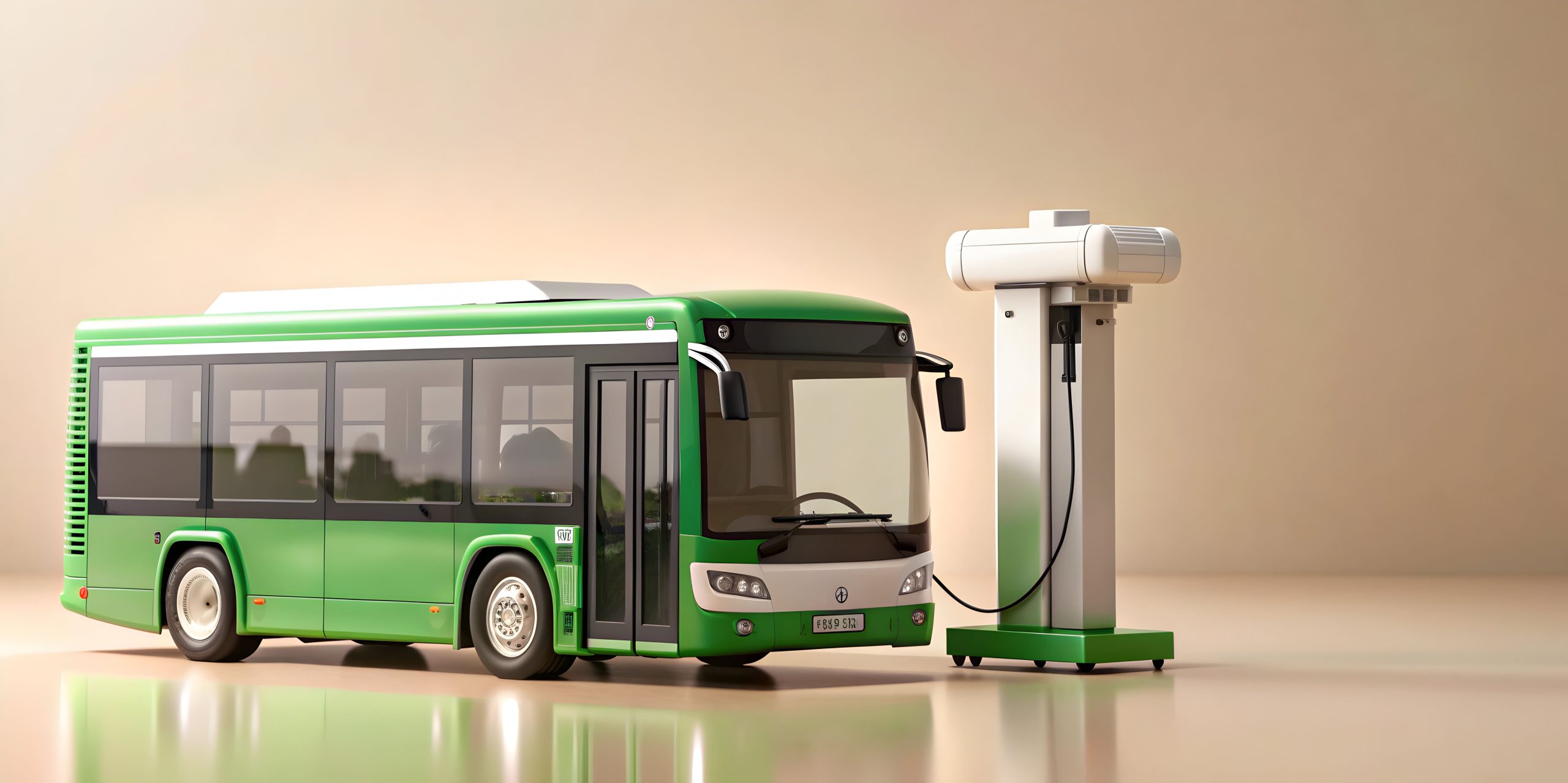
Qatar has moved faster than most Gulf countries when it comes to electric public transport, and buses are where that shift is most visible. Over the last few years, the country has gone from pilot level adoption to running large electric fleets across urban routes, airport corridors, and event-linked mobility networks. That did not happen by accident. It came from a clear push to modernize public transport while cutting local emissions and reducing dependence on diesel. By 2026, electric buses are no longer a future talking point in Qatar. They are already on the road, and increasingly part of how the country wants its cities to function over the next decade.
What’s Driving the Electric Bus Market in Qatar?
Sustainability Goals Are Now Tied to Transit Planning
A major reason for adoption is simple: Qatar wants cleaner urban transport, and buses are one of the easiest places to start. Public fleets run fixed routes, return to depots, and are easier to electrify than fragmented private vehicle traffic. In practice, that makes electric buses more manageable than many other EV categories. For a country trying to align transport investment with environmental targets, this is low hanging fruit. There is also a reputational angle. Qatar has invested heavily in presenting itself as a modern, well planned, low emission urban hub. Cleaner buses fit neatly into that picture, especially in central Doha and high visibility public corridors.
Smart Infrastructure Makes Electric Fleets Easier to Operate
Electric buses only work well if the infrastructure is thought through properly, and Qatar has put real money behind that part. Dedicated charging depots, route planning systems, and digitally managed fleets are helping reduce operational friction. That matters more than it sounds. On the ground, a common challenge with electric buses is not buying them, it is keeping them running efficiently every day without disrupting schedules. Cities like Doha and Lusail are particularly well suited for this because they are already being built and upgraded with integrated transport planning in mind. That gives operators more control over route length, charging windows, and fleet utilization.
Operating Economics Are Becoming Harder to Ignore
Electric buses still cost more upfront than diesel models, and that remains a genuine barrier. But over time, the economics start to make sense, especially for publicly funded fleets running predictable routes. Electricity is generally cheaper than diesel on a per kilometer basis, and electric drivetrains tend to have fewer moving parts and lower maintenance requirements. That does not mean savings appear overnight. Battery degradation, charger downtime, and specialized maintenance still need to be managed carefully. But once fleet operators gain experience, the cost logic becomes more convincing.
Government-Led Initiatives Supporting Market Growth
Government support is really the backbone of this market. Qatar has not left electrification to chance or private sector enthusiasm. It has been driven largely through procurement, transport planning, and infrastructure rollout. Public authorities have funded electric bus purchases, charging stations, and depot upgrades at a scale that many regional peers have not yet matched. This top down approach has advantages. It allows the country to move quickly. The downside is that private adoption remains relatively limited, so market depth still depends heavily on public investment cycles.
Market Competition and Industry Landscape
The market itself is still fairly concentrated. A handful of international manufacturers, particularly from China and Europe, have supplied most of the buses and related systems. Charging providers, software firms, and maintenance partners are also becoming more important as fleets scale up. What is interesting is that competition is no longer just about the bus. It is increasingly about who can offer uptime, battery support, route optimization, and long term servicing. That is where future contracts may be won or lost.
High Infrastructure and Capital Requirements
The biggest obstacle is still cost. Not just vehicle cost, but the full transition cost. Operators need charging depots, electrical upgrades, technician training, and spare parts readiness. That can become expensive very quickly, especially if deployment expands beyond major urban routes. There is also a climate reality to deal with. Extreme heat can affect battery performance and cooling requirements, which means fleets in Qatar need to be engineered and managed with local operating conditions in mind. That adds another layer of complexity.
Local Manufacturing Push with Um Al Houl Electric Bus Facility
A major recent development in Qatar electric bus market is the launch of the electric bus assembly plant at Um Al Houl Free Zone, announced in late 2024 and tied closely to the country’s full electric public bus target by 2030. The facility is designed with an initial production capacity of 300 buses per year and is expected to manufacture city buses, metro feeder buses, and school buses. This is important because it shifts Qatar from being only a fleet operator to also building local manufacturing capability, which could gradually improve supply flexibility, maintenance readiness, and regional export potential.
Future Outlook
By 2035, electric buses are likely to account for a much larger share of Qatar’s public transport fleet, particularly in city transit, airport shuttles, and institutional transport. The real story will not just be fleet size, though. It will be how efficiently those fleets are run and whether operators can maintain reliability at scale. If battery technology improves as quickly as many expect, and if charging networks continue to expand, Qatar could become one of the strongest electric bus case studies in the Gulf. Still, the long term success of the market will depend less on headline announcements and more on day to day execution.
Consultants at Nexdigm, in their latest publication “Qatar Electric Bus Market Outlook to 2035”, analyzed the market by Bus Type (Battery Electric Bus, Plug in Hybrid Bus, Fuel Cell Electric Bus), By Battery Capacity (Below 250 kWh, 250 to 400 kWh, Above 400 kWh), By Application (Public Transit, Airport Transport, Institutional Transport, Tourism and Shuttle Services), and By End User (Government Transport Authorities, Private Fleet Operators, Airports and Institutions). Nexdigm believes that companies looking at this space should focus on charging partnerships, service reliability, and local operating adaptability rather than treating the opportunity as a straightforward vehicle supply play.
To take the next step, simply visit our Request a Consultation page and share your requirements with us.
Harsh Mittal
+91-8422857704