
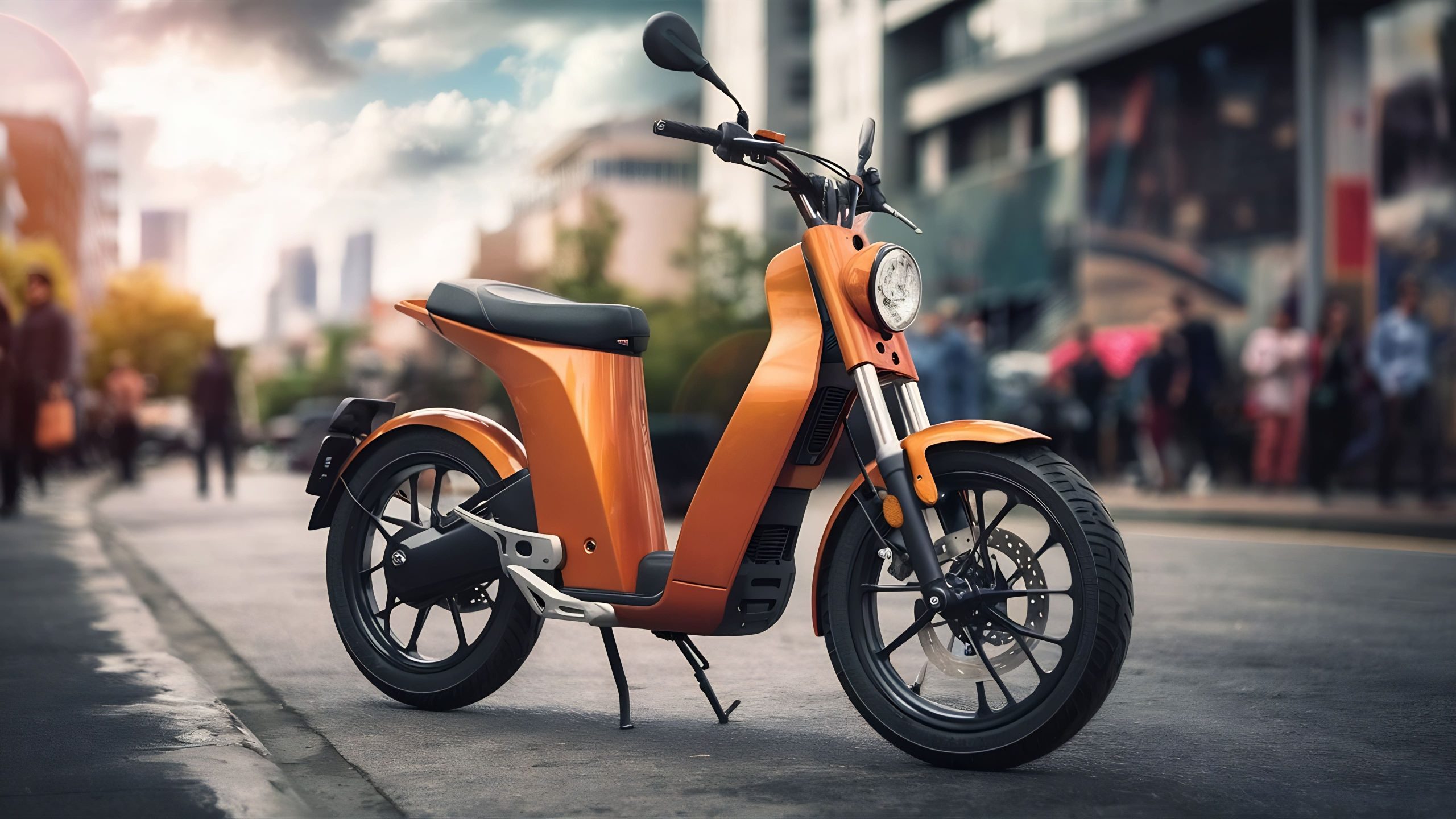
Qatar’s electric two-wheeler market is still small, but it is no longer something to dismiss as a fringe category. The shift is gradual and, in many ways, practical rather than ideological. In a country where most daily travel happens over short urban distances, electric scooters and motorcycles make far more sense than they often get credit for. For many consumers and businesses, the appeal is not just about sustainability. It comes down to convenience, lower running costs, and the reality that not every commute in Doha needs a full-sized car. As of 2026, petrol powered scooters and motorcycles continue to dominate the market. Yet the electric segment is beginning to attract attention, particularly among delivery operators, younger urban commuters, and tech-oriented consumers. The market still faces familiar barriers such as charging access and limited model visibility, but the long-term case is getting stronger.
What’s Driving the Electric Two-Wheeler Market in Qatar?
Growing Demand from Delivery and Last Mile Services
One of the clearest demand drivers is the expansion of app-based delivery services. Food delivery riders, grocery runners, and courier fleets spend most of their day moving within a tight city radius. That makes electric scooters especially relevant. On the ground, fleet managers are starting to notice that fuel savings and lower maintenance can make a real difference over time, especially when a vehicle is used intensively every day. A delivery company with 100 scooters can cut operating costs meaningfully if even part of that fleet goes electric.
Urban Mobility Shifts and Changing Consumer Preferences
There is also a lifestyle angle to this shift. In urban neighborhoods across Doha, traffic congestion and parking limitations are making compact mobility more attractive. An electric scooter is easier to park, cheaper to run, and often more convenient for short trips than a car. For younger professionals or students, that matters. The challenge, of course, is cultural as much as economic. In Qatar, cars still carry more social and practical value, so electric two wheelers need to prove they are not just a budget option but a sensible urban mobility choice.
Sustainability Push and Policy Direction
Sustainability goals are adding another layer of momentum. Qatar has spent the past few years putting more emphasis on greener infrastructure and cleaner transport. Electric two wheelers fit naturally into that conversation, even if they are not yet the headline category. They are quieter, cleaner at the point of use, and well suited to city based mobility where short range travel dominates.
Government-Led Initiatives
Government support for electric mobility in Qatar has largely focused on passenger EVs, buses, and public charging infrastructure. Even so, electric two wheelers stand to benefit from the same policy direction. Under broader sustainability and transport modernization plans, the country is gradually building a more EV friendly environment. In practice, this matters because consumer adoption rarely happens in isolation. People are more willing to consider an electric scooter if they already see charging stations, EV branding, and public discussion around cleaner transport. A common challenge is that two wheelers often get overlooked in policy design, even though they can solve very real urban mobility problems at a lower cost than larger electric vehicles.
Market Competition
The market today is largely import dependent, with international brands entering through local distributors rather than any meaningful domestic assembly. Chinese and Asian manufacturers are likely to dominate the category in the near term because they already offer affordable electric scooters with smart dashboards, app connectivity, and battery management systems. That said, competition is not just about who sells the most units. Service support will matter just as much. Buyers in Qatar are unlikely to commit to an unfamiliar electric model if spare parts, battery replacement, or repair expertise feel uncertain. The companies that build trust early will probably shape this market more than those simply chasing volume.
Charging Access Still Does Not Fully Match Everyday Two-Wheeler Use
One practical challenge in Qatar’s electric two-wheeler market is that charging infrastructure has largely been built with passenger cars in mind, not scooters or motorcycles. That creates a gap between policy ambition and day to day usability. A delivery rider or apartment resident needs convenient, repeatable charging access, not just a few visible public stations. Until charging becomes easier in residential buildings, commercial hubs, and fleet parking zones, adoption will likely stay concentrated among early movers rather than becoming truly mainstream.
Future Outlook
By 2035, Qatar’s electric two wheeler market will likely look far more established than it does today, though it may still remain relatively specialized compared to larger Asian markets. The strongest growth is likely to come from commercial use first, especially delivery fleets and urban service operators. Personal ownership will follow, but probably at a slower pace. What could change the market more quickly is a mix of better charging access, more visible retail presence, and financing options that make electric scooters easier to try. If those pieces come together, electric two wheelers could become a familiar part of city mobility in Qatar rather than an interesting but niche alternative.
Consultants at Nexdigm, in their latest publication “Qatar Electric Two-Wheeler Market Outlook to 2035,” analyze the market by Vehicle Type (Electric Scooters, Electric Motorcycles), By Battery Type (Lithium ion, Lead acid), By End User (Personal, Commercial/Fleet), and By Distribution Channel (Dealerships, Online Platforms, Fleet Partnerships). Nexdigm believes businesses should focus on fleet adoption, practical after sales support, and consumer education, since this market will reward reliability and usability far more than flashy launches.
To take the next step, simply visit our Request a Consultation page and share your requirements with us.
Harsh Mittal
+91-8422857704