
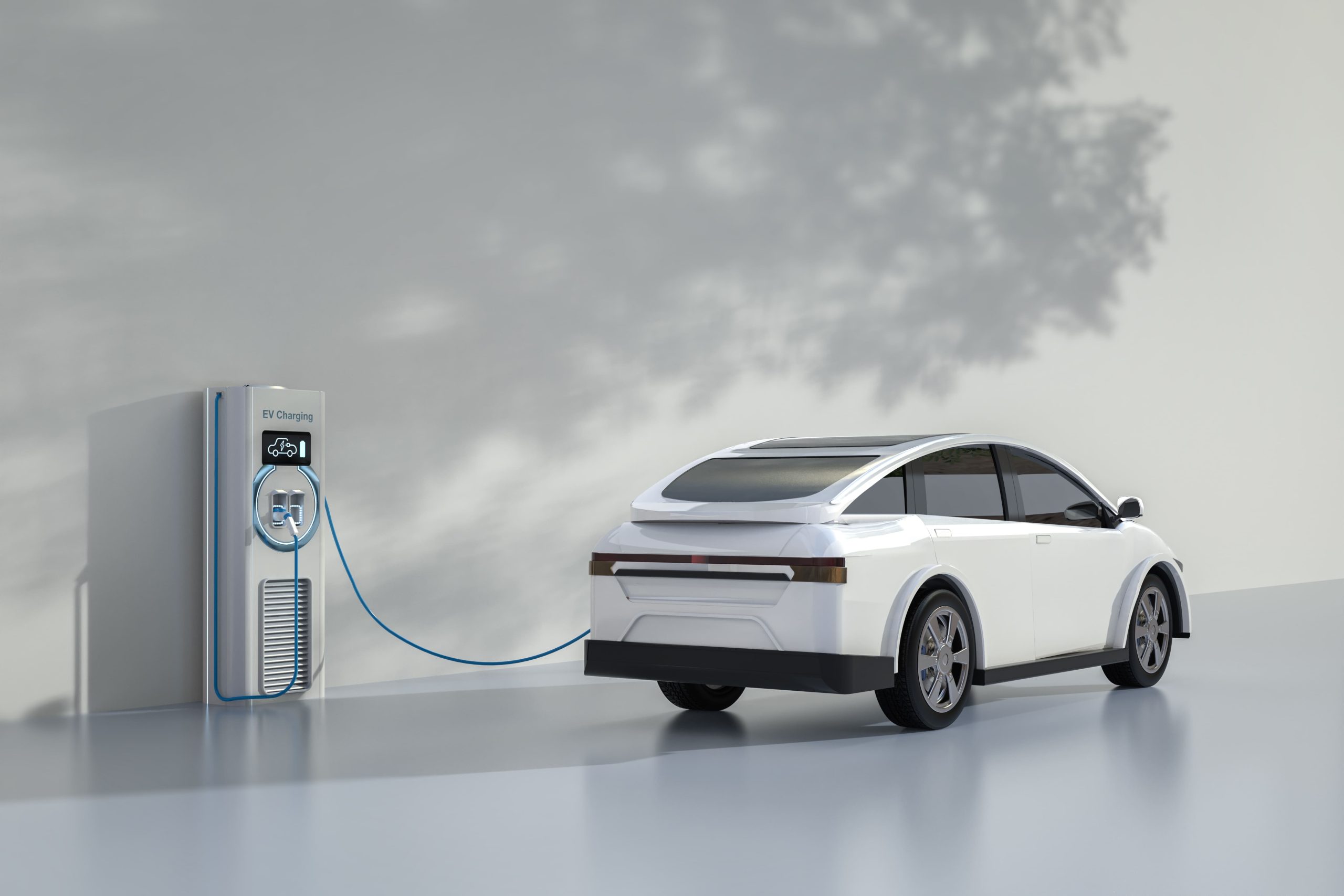
Qatar automotive market is gradually shifting gears as electric vehicles start moving from curiosity to consideration. Petrol powered cars still dominate the roads, largely because fuel remains affordable and infrastructure has long supported conventional mobility. Yet, a noticeable change is underway. Over the past few years, EV charging points have quietly appeared in malls, business districts, and residential compounds. By 2025, the country had rolled out close to 200 public charging stations, which may not sound large, but it is a meaningful start for a relatively small market. What stands out is the pace at which awareness is building. Consumers in Doha, especially younger professionals and high income households, are beginning to look at EVs not just as an environmental choice but also as a technology upgrade. The shift is subtle for now, but it is real.
What’s Driving the Electric Vehicle Market in Qatar?
Expansion of Charging Infrastructure
For most buyers, the first question is simple. Where will I charge the car? That concern used to be a deal breaker. It is slowly becoming less of one. Public charging stations are now spread across key urban locations, and some residential developers have started integrating charging points into newer projects. In practice, this makes a difference. A resident in West Bay or Lusail can now plan daily commutes without constantly worrying about battery levels. Fast chargers at select locations are also cutting down waiting time, which matters more than people initially assume. Still, coverage is uneven. Outside major urban pockets, accessibility remains limited, which could slow adoption in the near term.
Rising Focus on Sustainability and Clean Mobility
There is also a broader shift in mindset. Qatar has been placing more emphasis on sustainability, and transport is part of that conversation. While environmental concerns may not be the primary purchase driver for every consumer, they do influence perception. Interestingly, EVs in Qatar are often seen as premium lifestyle products rather than purely practical vehicles. Buyers are drawn to features such as instant torque, quiet driving, and advanced digital interfaces. In many cases, the appeal is as much about technology and status as it is about sustainability. That dual appeal could work in favor of EV adoption, at least in the early stages.
Growing Availability of International EV Brands
A few years ago, options were limited. That is no longer the case. Brands such as Tesla, BYD, BMW, Audi, and Kia have expanded their presence in the market. This has changed the conversation. Buyers now have access to a wider range of models, from high end performance vehicles to more practical electric SUVs. Chinese manufacturers, in particular, are entering with competitive pricing and feature rich offerings. That could gradually push EVs beyond a niche segment, though price sensitivity still plays a role.
Government-Led Initiatives Supporting EV Adoption
Government support has been steady rather than aggressive. Qatar National Vision 2030 outlines a broader push toward sustainability, and electric mobility fits within that direction. The Electric Vehicle Strategy introduced earlier in the decade focused on building charging infrastructure and encouraging adoption in public transport. On the ground, this has translated into initiatives such as expanding charging networks through Kahramaa and introducing electric buses in select routes. While incentives for private buyers are not as strong as in some European markets, the foundational work is clearly underway. Over time, policy clarity and potential financial incentives could make a bigger difference.
Market Competition and Distribution Landscape
The market today is still relatively concentrated. Most EV sales happen through established dealership networks that represent global brands. These dealers play a crucial role, not just in selling vehicles but also in educating customers who are new to electric mobility. At the same time, digital channels are becoming more relevant. Many buyers begin their journey online, comparing range, charging time, and long term costs before stepping into a showroom. Chinese brands are likely to intensify competition, especially if they continue to offer strong value for money. Service quality and battery warranties will become key factors influencing buyer decisions.
Limited Charging Accessibility Beyond Urban Areas
One of the more practical barriers in Qatar EV market is uneven access to charging infrastructure outside major urban zones. While Doha and Lusail have seen steady deployment of charging points, suburban and highway coverage still feels patchy. On the ground, this creates hesitation among buyers who frequently travel longer distances. Even within cities, apartment residents without dedicated parking face difficulties installing private chargers. This imbalance slows adoption, as convenience plays a bigger role than awareness when it comes to switching from conventional vehicles.
Qatar Accelerates EV Charging Rollout with Fast Charging Expansion
Qatar has recently stepped up its electric mobility efforts by expanding fast charging infrastructure across key locations, including airports and public spaces. New fast chargers can deliver up to 125 kilometers of range in around 30 minutes, making EV usage more practical for daily commuting. Hamad International Airport has also introduced public charging stations as part of this initiative. At a broader level, the country is targeting hundreds of charging points, with plans to scale further in the coming years to support rising EV adoption and reduce transport emissions.
Future Outlook
Looking ahead, the market is likely to expand gradually rather than dramatically. Growth will depend on how quickly infrastructure gaps are addressed and whether EV pricing becomes more accessible. Fleet adoption could be a turning point. Corporate fleets, ride hailing services, and government transport programs have the scale to influence demand in a meaningful way. If these segments shift toward electric mobility, it could create a ripple effect across the market. By 2035, electric vehicles may not dominate Qatar roads, but they will no longer be a niche choice. Instead, they will sit alongside conventional vehicles as a practical alternative, especially for urban use.
Consultants at Nexdigm, in their latest publication “Qatar Electric Vehicle Market Outlook to 2035”, analyzed the market by Vehicle Type (Passenger Cars, Commercial Vehicles, Electric Buses), By Propulsion Type (Battery Electric Vehicles, Plug in Hybrid Electric Vehicles, Hybrid Electric Vehicles), By Charging Type (AC Charging, DC Fast Charging), and By End User (Private Consumers, Fleets, Government and Public Transport). Nexdigm suggests that businesses focus on improving charging accessibility, strengthening after sales service, and introducing competitively priced models to capture long term demand in Qatar evolving mobility space.
To take the next step, simply visit our Request a Consultation page and share your requirements with us.
Harsh Mittal
+91-8422857704