
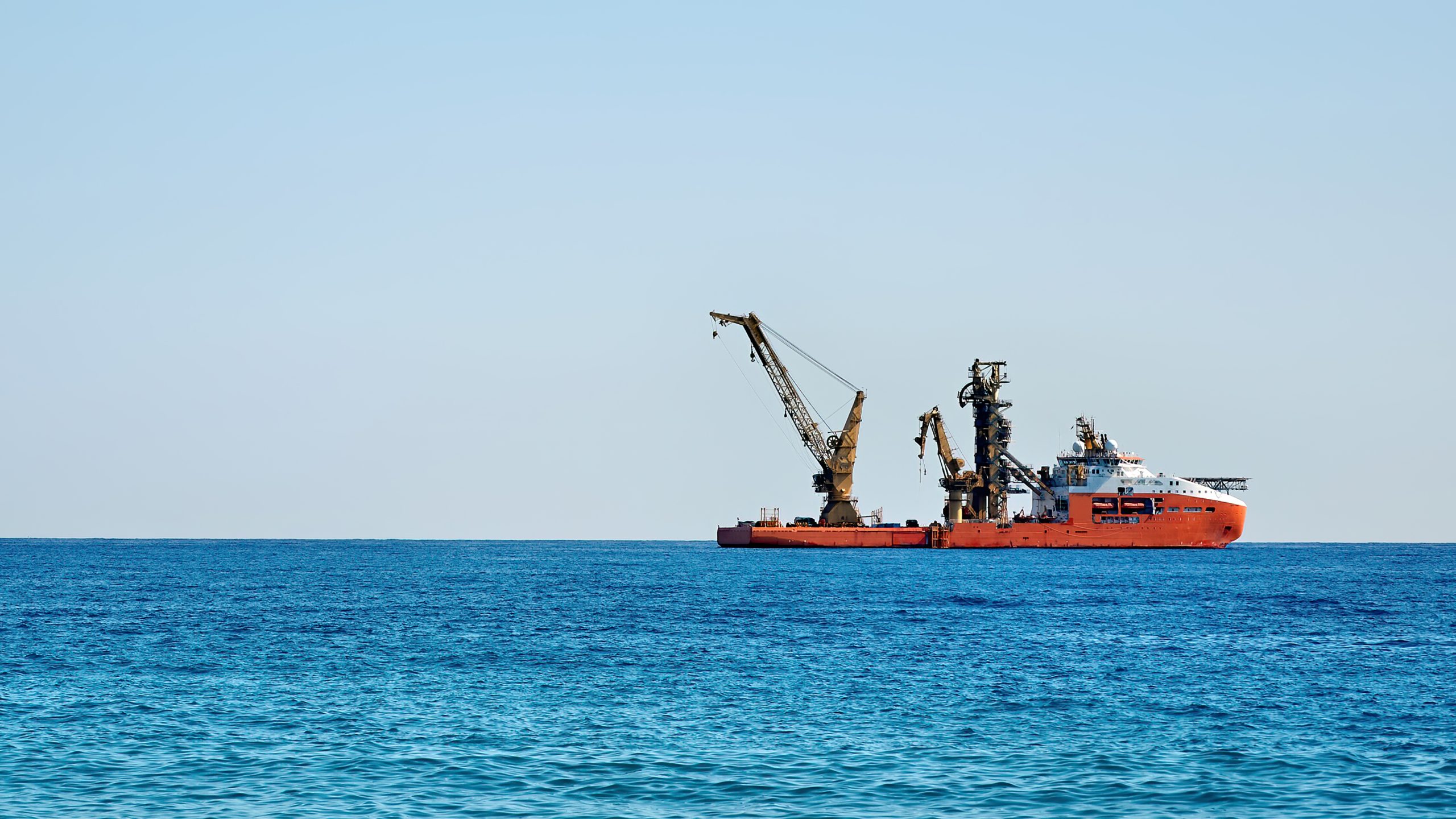
Qatar’s LNG Carriers Market is witnessing strong growth, supported by the country’s position as one of the world’s largest liquefied natural gas exporters. As the operator of the massive North Field, the world’s largest non-associated natural gas field, Qatar plays a critical role in global LNG supply. The country currently exports approximately 77 million tonnes per annum (MTPA) of LNG and is implementing large-scale expansion projects that will significantly increase export volumes. Rising demand from Asia and Europe, long-term LNG supply agreements, and expanding liquefaction capacity are strengthening demand for advanced LNG carrier fleets and maritime transportation infrastructure.
Key Market Drivers for Qatar’s LNG Carriers Market
North Field Expansion Creates Significant Vessel Demand
Qatar is undertaking one of the largest LNG expansion projects globally through the North Field East (NFE) and North Field South (NFS) developments. These projects are expected to increase LNG production capacity from 77 MTPA to 126 MTPA, representing one of the largest capacity additions in the global LNG industry. To support these exports, QatarEnergy has launched one of the world’s largest LNG carrier procurement programs, creating substantial demand for new-generation LNG vessels.
Long-Term LNG Supply Agreements Support Fleet Growth
Qatar continues to secure long-term LNG contracts with major buyers across China, India, South Korea, Japan, France, Germany, and the Netherlands. These long-duration agreements are strengthening LNG trade flows and creating stable demand for transportation capacity. As export volumes increase, LNG shipping requirements between Qatar and key importing markets are expected to grow substantially.
Global Energy Security Concerns Accelerate LNG Trade
The increasing importance of energy security and diversification of gas supplies has strengthened global LNG demand. Europe and Asia continue to seek long-term LNG imports to support power generation, industrial production, and energy-transition objectives. This trend is encouraging fleet expansion and greater deployment of technologically advanced LNG carriers equipped with fuel-efficient propulsion systems.
Government Initiatives Supporting Qatar’s LNG Carriers Market
The Qatari government continues to support LNG sector expansion through investments led by QatarEnergy, which is investing tens of billions of dollars in upstream development, liquefaction facilities, and maritime transportation assets. The North Field expansion program will raise national LNG export capacity to 126 MTPA, reinforcing Qatar’s position among the world’s largest LNG suppliers. In parallel, Qatar has ordered more than 100 LNG carriers through long-term shipbuilding agreements with major South Korean and Chinese shipyards, creating one of the largest LNG fleet expansion programs globally. These initiatives are strengthening Qatar’s LNG shipping capabilities while supporting long-term energy export growth.
Competitive Landscape of Qatar’s LNG Carriers Market
Qatar’s LNG Carriers Market is highly competitive and closely integrated with the global LNG shipping industry. Competition is increasingly focused on vessel efficiency, cargo capacity, charter availability, boil-off gas management technologies, and emissions performance. QatarEnergy’s LNG fleet expansion program includes more than 100 new LNG carriers, positioning the country among the largest LNG ship operators globally. Shipowners and operators are increasingly deploying advanced vessels featuring ME-GA, X-DF, and dual-fuel propulsion technologies to improve fuel efficiency and comply with international environmental regulations. Growing LNG exports, expanding trade routes, and long-term charter agreements continue to strengthen competition across the LNG transportation value chain.
Major Challenges Facing Qatar’s LNG Carriers Market
Modern LNG carriers typically require investments ranging from USD 250 million to USD 300 million per vessel, creating substantial capital commitments for fleet operators and shipping companies.
LNG Shipping Market Volatility
Freight rates remain sensitive to global LNG demand fluctuations, vessel availability, fuel costs, geopolitical developments, and seasonal trade cycles, requiring effective fleet management and charter strategies.
Shipyard Capacity Constraints
Global LNG carrier construction is concentrated in South Korean shipyards such as Hyundai Heavy Industries, Hanwha Ocean, and Samsung Heavy Industries. Strong worldwide demand for LNG vessels has created order backlogs, leading to longer delivery timelines and cost escalation.
Future Outlook
Qatar’s LNG Carriers Market is expected to witness strong growth through 2035, supported by the increase of LNG export capacity from 77 MTPA to 126 MTPA under the North Field expansion projects. The country’s fleet expansion program involving 100+ LNG carriers, combined with growing global LNG demand projected to exceed 600 million tonnes annually over the next decade, will generate sustained transportation requirements. Additional opportunities are expected to emerge from expanding LNG exports to Europe and Asia, adoption of low-emission vessel technologies, and increased use of digital fleet-management solutions. Companies investing in next-generation LNG carriers, dual-fuel propulsion systems, and long-term charter agreements will be well-positioned to capitalize on Qatar’s expanding role in global LNG trade.
Consultants at Nexdigm, in their latest publication “Qatar LNG Carriers Market to 2035,” analyse the sector By Vessel Containment Technology (GTT Mark III Flex, GTT N096 Super+ and GTT N096 Series), By Propulsion System Type (Steam Turbine Legacy and Dual Fuel Diesel Electric) and By Vessel Size Class (Conventional Q-Flex, Mega-Max Q-Max and Standard 174k CBM Class).
Nexdigm suggests that businesses in Qatar’s LNG Carriers Industry prioritize next-generation dual-fuel LNG vessels, digital fleet optimization technologies, strategic chartering partnerships, and low-emission maritime solutions to capitalize on the country’s planned expansion to 126 MTPA LNG export capacity, 100+ LNG carrier procurement program, and growing global demand for secure and efficient LNG transportation.
To take the next step, simply visit our Request a Consultation page and share your requirements with us.
Harsh Mittal
+91-8422857704