
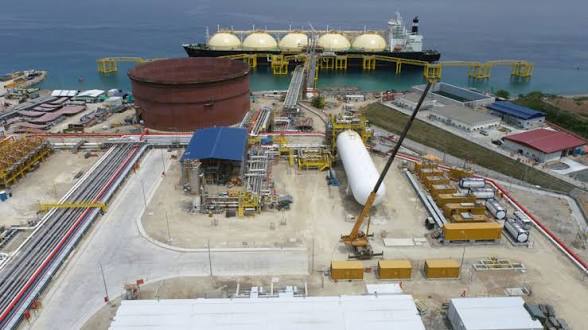
Qatar has long been a cornerstone of the global LNG trade, and its infrastructure market is entering a transformative phase. Home to the world’s largest non-associated natural gas field, the country continues to invest heavily in liquefaction plants, storage facilities, export terminals, and LNG carrier fleets. With LNG production capacity set to rise from 77 million tonnes per annum to 126 million tonnes per annum, Qatar is reinforcing its role as a reliable energy supplier for growing markets across Asia and Europe.
Market Drivers Advancing the Qatar LNG Infrastructure Industry
North Field Expansion Creating Unprecedented Infrastructure Demand
At the heart of Qatar’s LNG growth story is the North Field Expansion project, one of the largest energy infrastructure developments globally. The expansion involves six new LNG mega-trains and extensive supporting infrastructure, including storage tanks, pipelines, processing facilities, and marine loading terminals. The project will increase the country’s liquefaction capacity by approximately 64%, creating opportunities for engineering firms, equipment suppliers, technology providers, and construction contractors involved in LNG infrastructure development.
Growing Global Appetite for Reliable LNG Supplies
As countries seek cleaner alternatives to coal while ensuring energy security, LNG has become an attractive transition fuel. Qatar benefits from long-term supply agreements with leading energy importers, supporting continued investments in export infrastructure. Industry estimates indicate that Qatar’s expansion projects could account for rou in the international energy landscape.
Ras Laffan Strengthening Qatar’s Role as a Global LNG Hub
The development of Ras Laffan Industrial City remains central to Qatar’s LNG strategy. Significant investments are being made in LNG storage tanks, export berths, and one of the world’s largest LNG shipping programs.These developments not only improve export efficiency but also strengthen Qatar’s ability to meet rising customer demand while maintaining supply reliability in competitive international markets.
Government Initiatives Accelerating Qatar LNG Infrastructure Industry
The Qatar government continues to prioritize LNG infrastructure through long-term energy strategies and significant investments led by QatarEnergy. These initiatives support economic diversification while maximizing value from the country’s vast natural gas resources. Strategic partnerships with global energy companies and supportive regulatory frameworks are helping accelerate the execution of large-scale LNG infrastructure projects.
Competitive Landscape of the Qatar LNG Infrastructure Industry
The Qatar LNG infrastructure market is highly consolidated, with QatarEnergy leading most major developments. Global energy giants such as ExxonMobil, Shell, TotalEnergies, ConocoPhillips, and Eni are participating in expansion projects through partnerships and joint ventures. Competition largely revolves around technological expertise, project execution capabilities, operational efficiency, and long-term infrastructure development commitments.
Challenges Influencing Growth in Qatar’s LNG Infrastructure Industry
Managing Massive Capital Investment Requirements
Developing LNG infrastructure at Qatar’s scale requires billions of dollars in investment across liquefaction facilities, storage terminals, export facilities, and shipping networks. Maintaining cost efficiency while delivering projects on schedule remains a key industry challenge.
Adapting to Shifting Energy Market Dynamics
While LNG demand remains strong, market participants must navigate fluctuating energy prices, geopolitical uncertainties, and the accelerating growth of renewable energy. Balancing expansion plans with evolving global energy priorities will remain crucial for stakeholders.
Future Outlook
The future of Qatar’s LNG infrastructure industry appears exceptionally strong. Supported by abundant natural gas reserves, ambitious expansion projects, and long-term export contracts, the country is continuing to strengthen its position among the world’s leading LNG suppliers. Production capacity is expected to reach 126 MTPA, with longer-term plans targeting approximately 142 MTPA, further increasing the need for supporting infrastructure across the LNG value chain. Looking ahead, ongoing investments in liquefaction capacity, storage facilities, export terminals, digital technologies, and shipping assets are expected to make Qatar’s LNG ecosystem even more efficient and globally competitive. For industry participants, the market presents significant opportunities driven by scale, strategic vision, and growing international demand for secure LNG supplies.
Consultants at Nexdigm, in their latest publication “Qatar LNG Infrastructure Market Outlook to 2035” analyze the sector By Operational Phase (Brownfield Expansion, Greenfield Development and Decommissioning and Revamp), By Project Ownership Structure (State-Led Integrated Projects, Joint Venture Concessions and Third-Party Service Contracts) and By Energy Sector End-User (International Energy Corporations and Global Utility Off takers).
Nexdigm suggests that businesses in “Qatar LNG Infrastructure Industry” focusses on oilfield, desalination, construction, and industrial applications, strengthen local warehousing, develop application-specific grades, improve technical support, and build resilient sourcing networks to serve expanding energy, water, and manufacturing demand.
To take the next step, simply visit our Request a Consultation page and share your requirements with us.
Harsh Mittal
+91-8422857704