
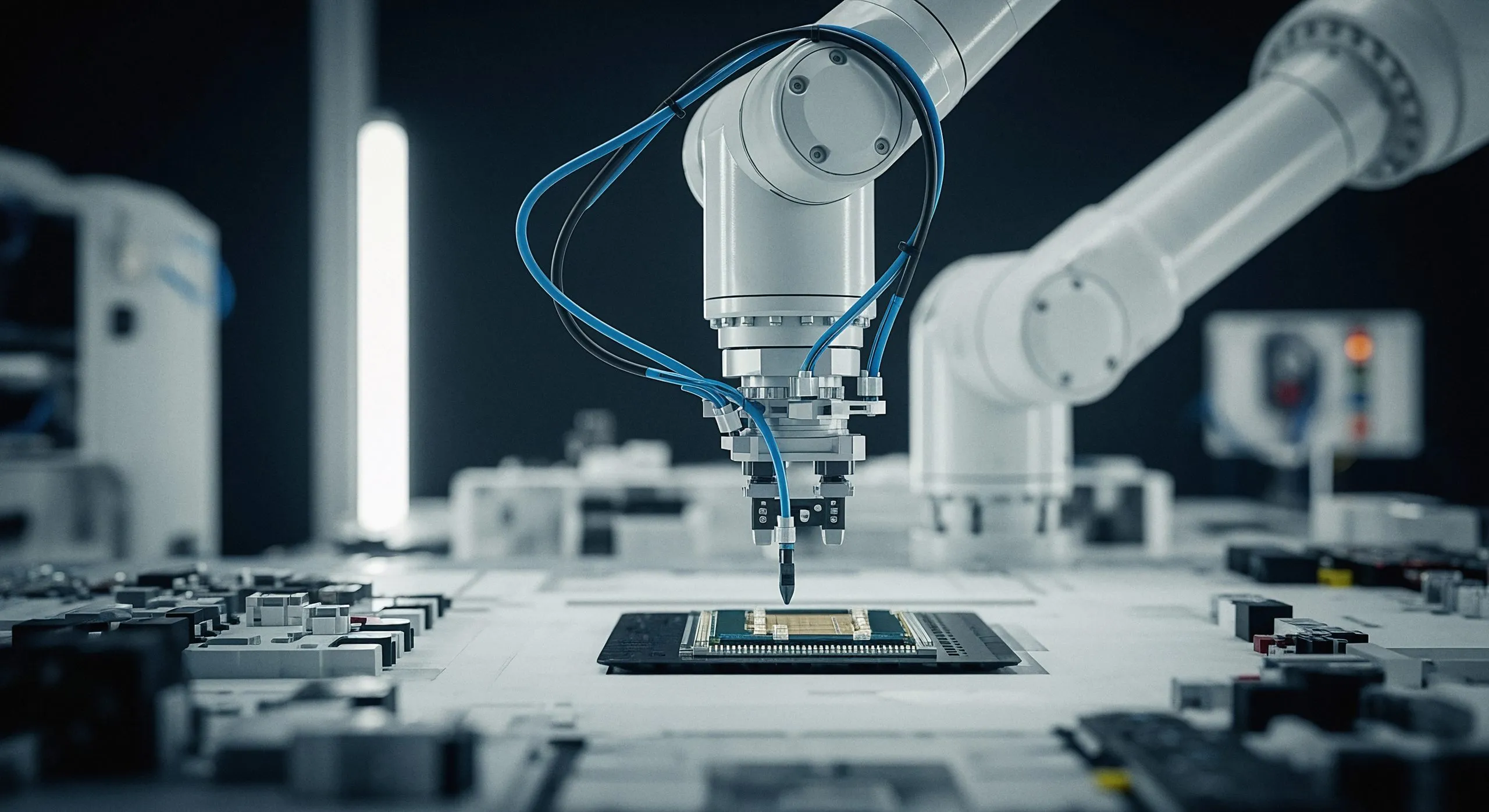
Qatar’s semiconductor manufacturing market is gradually gaining momentum as the country strengthens its focus on digital transformation and economic diversification. With global semiconductor demand rising and projected to grow at nearly 17% CAGR in the coming years, Qatar is beginning to carve out its space in this high-tech industry. Increasing demand for smart devices, advanced telecom infrastructure, and digital services is pushing the need for semiconductor capabilities. While still in its early stages, Qatar is laying the groundwork through investments, partnerships, and innovation initiatives to become part of the global semiconductor value chain.
Factors driving Semiconductor Market Growth in Qatar
Rising Demand for Smart Technologies and Connectivity
The growing use of smart devices, digital platforms, and high-speed connectivity is a key factor driving semiconductor demand in Qatar. With significant investments in 5G infrastructure and telecom expansion, the need for advanced chips is increasing. Semiconductors are essential for supporting faster data processing, cloud computing, and connected ecosystems. As consumers and businesses rely more on digital solutions, the demand for efficient and high-performance chips continues to rise, creating opportunities for local market development.
Building a Strong Technology Ecosystem
Qatar is actively investing in its technology ecosystem, including data centres, AI platforms, and smart city initiatives. These developments require a robust semiconductor backbone, encouraging growth in areas like chip design, testing, and assembly. Innovation hubs such as Qatar Science & Technology Park are helping startups, researchers, and global firms collaborate and develop new technologies. This ecosystem is playing a key role in strengthening the country’s position in the semiconductor space.
Strategic Investments and Global Partnerships
Another major driver is Qatar’s focus on forming global partnerships and attracting investments. Government-backed initiatives and sovereign investments are supporting collaborations with international technology companies. These partnerships are important for gaining access to advanced technologies, expertise, and best practices. By working closely with global leaders, Qatar is accelerating its learning curve and building a foundation for long-term growth in semiconductor manufacturing.
Qatari Government Strategic Initiatives to boost Semiconductor Market Growth
The Qatari government is actively supporting the growth of high-tech industries through policies and investment programs aligned with Qatar National Vision. A $1 billion incentive program has been introduced to attract foreign investment and promote advanced manufacturing sectors. The government is also investing in innovation hubs, research and development, and workforce training to build local capabilities. These efforts are creating a supportive environment for semiconductor growth and encouraging businesses to invest in the sector.
Competitive Insights of Qatar’s Semiconductor Market
Qatar’s semiconductor market is still developing, with a mix of global companies, research institutions, and regional players contributing to its growth. International technology firms bring expertise in chip design and manufacturing equipment, while local institutions focus on research and talent development. Collaboration between global and local players is essential, helping to transfer knowledge and build the capabilities needed to grow the market. As the ecosystem expands, competition is expected to increase, driving innovation and efficiency.
Challenges Ahead in Qatar’s Semiconductor Market
High Investment Requirements
One of the biggest challenges in building a semiconductor industry is the high cost involved. Setting up fabrication plants and advanced facilities requires significant capital investment and long-term planning. For a developing market like Qatar, this can slow down large-scale manufacturing efforts, especially when competing with established global hubs.
Skills Gap and Dependence on Global Expertise
Another key challenge is the shortage of skilled professionals in semiconductor design, engineering, and manufacturing. While Qatar is investing in education and training, the industry still depends heavily on international expertise. Developing a strong local talent pool will be critical to sustaining growth and reducing dependency on external resources.
Future Outlook
As we move ahead, Qatar’s semiconductor market is expected to grow steadily as the country continues to invest in digital infrastructure and advanced technologies. Opportunities are likely to emerge in areas such as chip design, testing, and specialized semiconductor applications. As demand for technologies like AI, 5G, and smart systems increases, Qatar can strengthen its role in the global supply chain. Continued government support, strategic partnerships, and investments in talent development will be key to unlocking long-term growth. While the journey is still at an early stage, Qatar has the potential to become an important player in the evolving semiconductor landscape.
Consultants at Nexdigm, in their latest publication Qatar Semiconductor Manufacturing Market Outlook to 2035 analyze the sector by System Type (Fabrication Equipment, Test Equipment, Assembly and Packaging Equipment and Wafer Manufacturing Equipment), by Fitment Type (On-premises Solution, Cloud Solutions, Hybrid Solutions and Integrated Solutions).
Nexdigm suggests that businesses should focus on building strategic partnerships, investing in advanced technologies, and strengthening local capabilities to stay competitive. Embracing innovation, upskilling talent, and aligning with government initiatives will help companies navigate challenges, reduce dependency on imports, and tap into emerging opportunities in Qatar’s growing semiconductor ecosystem.
To take the next step, simply visit our Request a Consultation page and share your requirements with us.
Harsh Mittal
+91-8422857704