
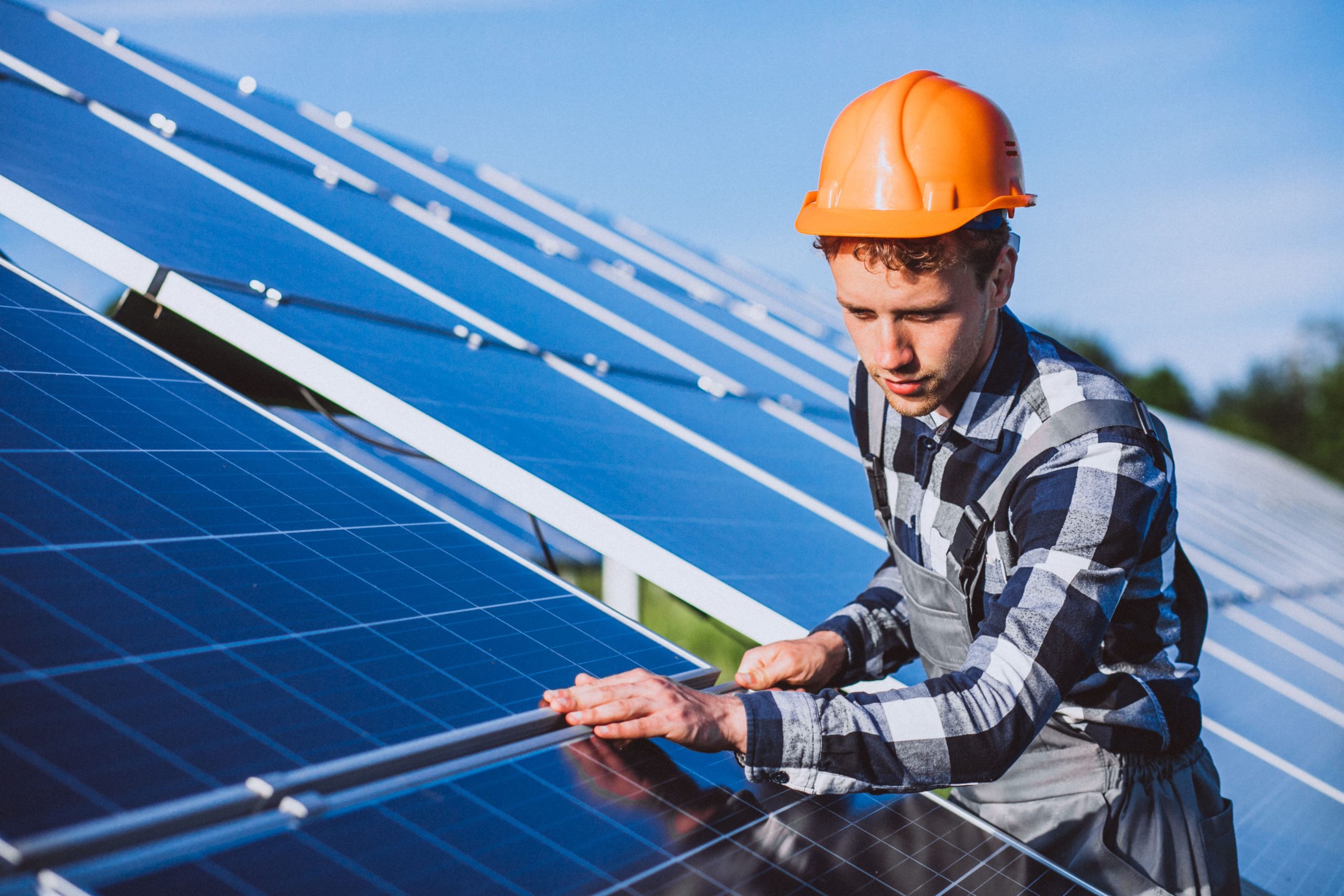
Qatar’s solar panel cleaning systems and services market is witnessing strong growth as the country accelerates renewable energy investments under its long-term sustainability and energy diversification strategy. The market is being supported by ambitious plans to develop more than 4 GW of solar power capacity by 2030, led by large utility-scale photovoltaic projects designed to reduce dependence on conventional energy sources. Qatar’s harsh desert climate, characterized by frequent dust storms, high solar irradiation levels, and minimal annual rainfall of around 75–100 mm, creates a strong need for regular panel maintenance. Industry studies indicate that dust accumulation can reduce solar power generation by 10%–30% if panels are not cleaned consistently. As solar infrastructure continues to expand across the country, demand is rising for robotic cleaning systems, water-free maintenance technologies, and AI-enabled performance monitoring solutions that help maximize energy output, improve operational efficiency, and extend the lifespan of solar assets through 2035.
Key Market Drivers for Qatar’s Solar Panel Cleaning Systems and Services Market
Desert Climate and Dust Accumulation Create Continuous Cleaning Demand
Qatar’s harsh desert environment remains the primary driver for solar panel cleaning services. The country receives less than 100 mm of annual rainfall, while frequent dust storms and airborne sand particles contribute to rapid soiling of photovoltaic modules. Industry studies indicate that dust accumulation can reduce solar panel efficiency by 10%–30%, with energy losses increasing significantly when cleaning cycles are delayed. As a result, solar asset owners are increasingly investing in robotic cleaning systems, automated maintenance technologies, and water-efficient cleaning solutions to maintain peak energy production throughout the year.
Expansion of Utility-Scale Solar Projects Strengthens Maintenance Requirements
Qatar is rapidly expanding its solar energy infrastructure as part of its renewable energy diversification strategy. The country aims to develop more than 4 GW of solar generation capacity by 2030, creating a substantial pipeline of photovoltaic assets requiring routine maintenance. Large-scale solar parks operating in desert conditions require frequent cleaning to prevent performance degradation, driving demand for advanced cleaning equipment and specialized service providers. The growing scale of solar installations is encouraging operators to adopt automated and predictive maintenance solutions that improve operational efficiency while reducing labor costs.
Increasing Focus on Energy Yield Optimization and Operational Efficiency
As solar investments grow, project developers and asset owners are placing greater emphasis on maximizing electricity generation and return on investment. Research across Middle Eastern solar markets shows that regular cleaning can recover significant energy losses caused by dust and sand accumulation. With Qatar experiencing some of the world’s highest solar irradiation levels, even marginal improvements in panel cleanliness can translate into substantial increases in annual power generation. This is accelerating the adoption of AI-enabled monitoring systems, robotic dry-cleaning technologies, and integrated asset management services designed to optimize solar plant performance and extend equipment lifespan through 2035.
Government Initiatives Supporting Qatar’s Solar Panel Cleaning Systems and Services Market
Qatar’s solar panel cleaning systems and services market is benefiting from the country’s long-term renewable energy and sustainability agenda under Qatar National Vision 2030 and the National Environment and Climate Change Strategy (NECCS). The government is targeting more than 4 GW of installed solar capacity by 2030, while continuing to diversify its energy mix and reduce carbon emissions. Major utility-scale solar investments, coupled with growing electricity demand, are accelerating photovoltaic deployment across the country. As solar infrastructure expands in Qatar’s harsh desert environment, demand for advanced cleaning, inspection, and maintenance services is expected to increase significantly to ensure maximum energy generation, operational efficiency, and long-term asset performance.
Competitive Landscape of Qatar’s Solar Panel Cleaning Systems and Services Market
The Qatar solar panel cleaning systems and services market is becoming increasingly technology-driven as large-scale photovoltaic projects expand across the country. Competition is primarily centered on robotic cleaning technologies, water-free and water-efficient solutions, operational reliability, and integrated asset management capabilities. Given that dust accumulation can reduce solar panel efficiency by 10%–30% in desert environments, solar asset owners are prioritizing advanced maintenance solutions that minimize performance losses and operating costs. Market participants are increasingly investing in autonomous cleaning systems, AI-powered monitoring platforms, predictive maintenance tools, and sustainable cleaning technologies to support the growing portfolio of utility-scale solar assets and enhance long-term energy yields.
Major Challenges Facing Qatar’s Solar Panel Cleaning Systems and Services Market
High Dust Accumulation and Harsh Environmental Conditions
Qatar’s desert climate results in frequent dust deposition and sand accumulation on solar modules, increasing cleaning frequency requirements and operational costs. Maintaining panel performance in such environments requires specialized cleaning technologies designed to withstand extreme temperatures and abrasive conditions.
Water Scarcity and Sustainability Requirements
Water availability remains a critical challenge for traditional solar panel cleaning practices. As sustainability becomes a greater priority, solar operators are increasingly seeking water-efficient and dry-cleaning technologies that can maintain panel performance while reducing water consumption and operating expenses.
Future Outlook
Looking ahead to 2035, Qatar’s solar panel cleaning systems and services market is expected to benefit from continued renewable energy investments, utility-scale photovoltaic expansion, and growing emphasis on performance optimization. With national solar capacity targets exceeding 4 GW by 2030 and additional clean energy projects anticipated beyond that period, the installed solar asset base requiring routine maintenance will continue to expand. Industry research indicates that effective cleaning programs can improve solar energy production by 10%–30% in desert environments. Future growth is expected to be driven by robotic cleaning systems, AI-powered diagnostics, autonomous maintenance technologies, and water-free cleaning solutions, positioning the market for sustained long-term growth.
Consultants at Nexdigm, in their latest publication “Qatar Solar Panel Cleaning Systems and Services Market Outlook to 2035,” analyse the sector By Solar Panel Cleaning Technology (Brush-based dry Cleaning Robots, Waterless microfiber autonomous crawlers and Compressed air blower units), By End user Segment (Utility-Scale Solar Farms and Commercial and Industrial Rooftops Arrays) and By Service Frequency Tier (Weekly Periodic Maintenance, Monthly Scheduled Service and On-Demand Soiling Response).
Nexdigm suggests that businesses in Qatar’s Solar Panel Cleaning Systems and Services Industry prioritize robotic dry-cleaning technologies, water-efficient maintenance solutions, and long-term solar asset management partnerships to capitalize on the country’s expanding utility-scale photovoltaic capacity, ambitious renewable energy targets, and growing need to minimize dust-related efficiency losses across desert-based solar installations.
To take the next step, simply visit our Request a Consultation page and share your requirements with us.
Harsh Mittal
+91-8422857704