
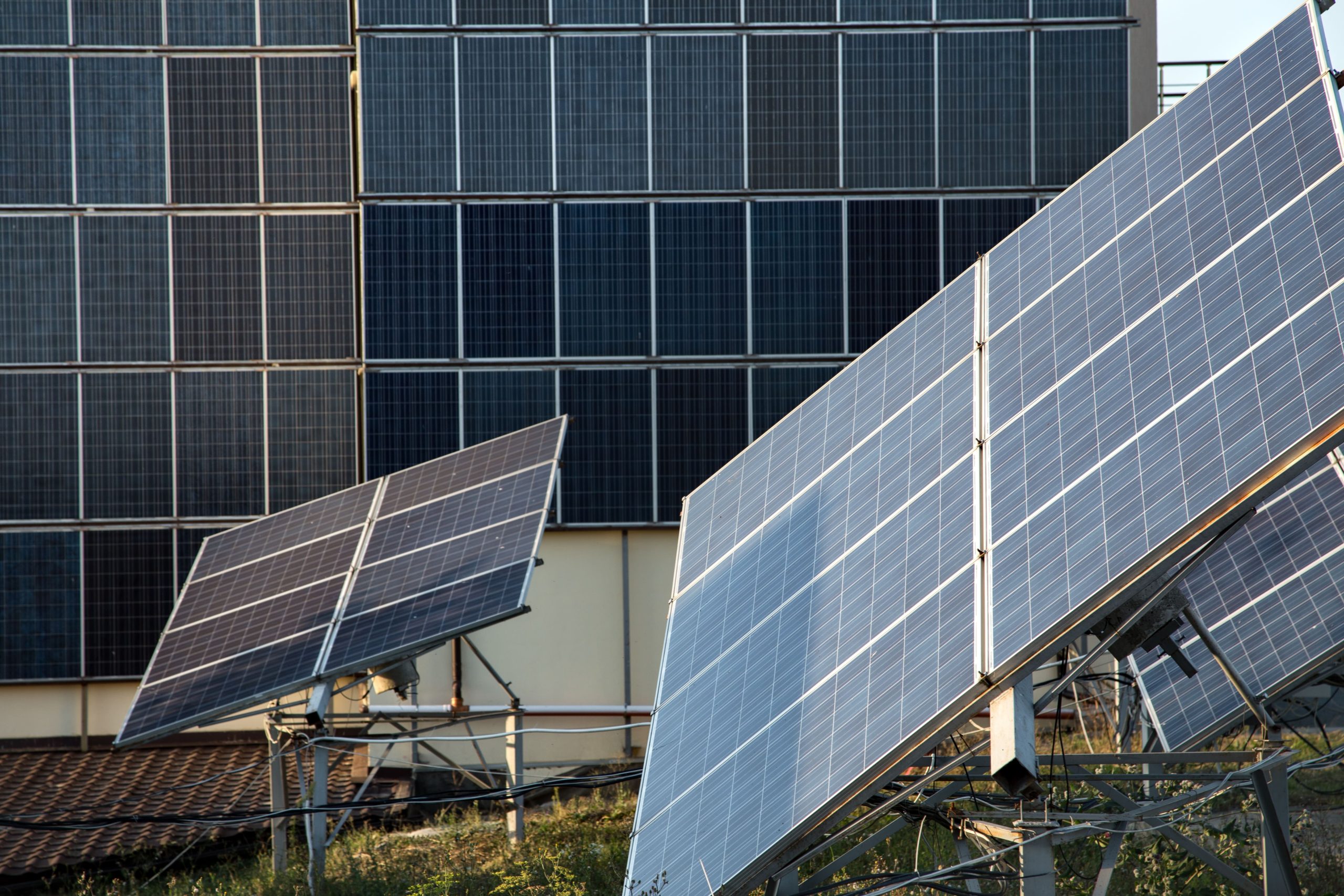
Qatar’s solar PV mounting systems market is gaining momentum as the country accelerates renewable energy deployment to diversify its energy mix and reduce carbon emissions. Backed by a project pipeline exceeding USD 220 billion, ongoing investments in smart cities, industrial zones, and sustainable infrastructure are creating strong demand for solar installations. Qatar aims to develop more than 5 GW of solar power capacity in the coming years as part of its clean energy transition strategy. Additionally, with urbanization exceeding 85% and rising electricity demand from commercial, industrial, and residential sectors, the need for efficient and durable solar PV mounting systems is expected to increase significantly through 2035.
Key Market Drivers for Qatar’s Solar PV Mounting Systems Industry
Large-Scale Solar Capacity Expansion Drives Demand for Ground-Mounted and Tracking Systems
Qatar is rapidly scaling up its solar energy sector with plans to exceed 5 GW of installed solar capacity, positioning solar power as a key component of the country’s energy diversification strategy. High solar irradiation levels of more than 2,100–2,200 kWh/m² annually make utility-scale solar projects highly attractive, increasing demand for fixed-tilt and single-axis tracking systems that maximize energy output. As new solar parks and independent power projects continue to enter the pipeline, demand is rising for durable mounting structures capable of withstanding harsh desert conditions while optimizing project efficiency.
USD 220 Billion Infrastructure Investments Support Solar Deployment Across Commercial and Industrial Sectors
Qatar’s infrastructure development pipeline exceeds USD 220 billion, covering industrial zones, logistics hubs, commercial complexes, smart-city developments, and public infrastructure projects. Many new developments are integrating renewable energy technologies to improve sustainability performance and reduce operating costs. This trend is creating substantial opportunities for rooftop and carport solar installations, driving demand for lightweight, corrosion-resistant mounting systems that can be deployed across diverse commercial and industrial facilities.
High Electricity Demand and Sustainability Initiatives Accelerate Renewable Energy Adoption
Qatar continues to maintain one of the highest per-capita electricity consumption levels globally, driven by energy-intensive industries, air-conditioning requirements, and urban development. With urbanization exceeding 85% and increasing commitments toward carbon reduction and resource efficiency, both public and private sector organizations are expanding investments in solar energy. The growing implementation of green building standards, sustainability frameworks, and ESG-driven projects is increasing demand for advanced solar mounting solutions that improve panel performance, minimize maintenance requirements, and enhance long-term project economics.
Government Support and Renewable Energy Initiatives Backed by Clean Energy Targets and Sustainable Infrastructure Development
Qatar’s solar PV mounting systems market benefits from strong governmental support aimed at expanding renewable energy generation and reducing dependence on fossil fuels. The country is targeting more than 5 GW of solar power capacity, while infrastructure investments exceeding USD 220 billion continue to support sustainable urban development and energy diversification initiatives. In addition, national programs promoting energy efficiency, green building practices, and carbon-emission reduction are creating favorable conditions for solar deployment, generating sustained demand for utility-scale and rooftop mounting systems across the country.
Competitive Landscape Driven by Large-Scale Solar Investments and Growing Demand for Advanced Mounting Technologies
Qatar’s solar PV mounting systems market is becoming increasingly competitive as solar capacity expansion accelerates and renewable energy investments continue to grow. Market participants are focusing on galvanized steel structures, aluminum mounting systems, solar trackers, and customized rooftop solutions designed for desert environments and high-temperature conditions. Competition is primarily based on structural durability, corrosion resistance, installation efficiency, engineering capabilities, and lifecycle performance. As utility-scale solar farms, industrial facilities, and commercial developments increase solar adoption, suppliers offering innovative and climate-adapted mounting solutions are expected to strengthen their market position.
Major Challenges Facing Qatar’s Solar PV Mounting Systems Industry
Extreme Climate Conditions and Material Durability Requirements
Qatar’s desert climate presents challenges including high temperatures, dust accumulation, strong winds, and corrosion risks that can affect mounting system performance. Manufacturers must develop durable structures capable of maintaining long-term reliability under harsh environmental conditions.
Dependence on Imported Raw Materials and Components
The market remains dependent on imported steel, aluminum, and specialized solar components. Fluctuations in global commodity prices, logistics costs, and supply chain disruptions can impact project economics and create challenges for mounting system suppliers and solar developers.
Future Outlook
Qatar’s solar PV mounting systems market is expected to experience robust growth through 2035, supported by solar development targets exceeding 5 GW, infrastructure investments of more than USD 220 billion, and increasing adoption of renewable energy technologies across commercial and utility-scale applications. The growing integration of solar power into Qatar’s energy mix, coupled with rising investments in smart cities, industrial developments, and sustainable infrastructure, will continue to drive demand for advanced mounting systems. Future market expansion is likely to be supported by innovations in tracking technologies, desert-optimized mounting structures, and localized supply chain development that improve efficiency, durability, and long-term project performance.
Consultants at Nexdigm, in their latest publication “Qatar Solar PV Mounting Systems Market Outlook to 2035,” analyse the sector By Mounting System Technology (Aluminum Profile Systems, Hot-Dip Galvanized Steel Frames and Ground Screw Pile Installation), By Foundation Type (Driver Piles and Concrete Ballast) and By Material Composition (Anodized Aluminum, Hot-Dip Galvanized Steel, Pre-Galvanized Steel).
Nexdigm suggests that businesses in Qatar’s Solar PV Mounting Systems Industry focus on desert-optimized mounting technologies, advanced solar tracking systems, and strategic collaborations with utility-scale developers to capitalize on the country’s expanding solar capacity targets and long-term renewable energy investment opportunities.
To take the next step, simply visit our Request a Consultation page and share your requirements with us.
Harsh Mittal
+91-8422857704