
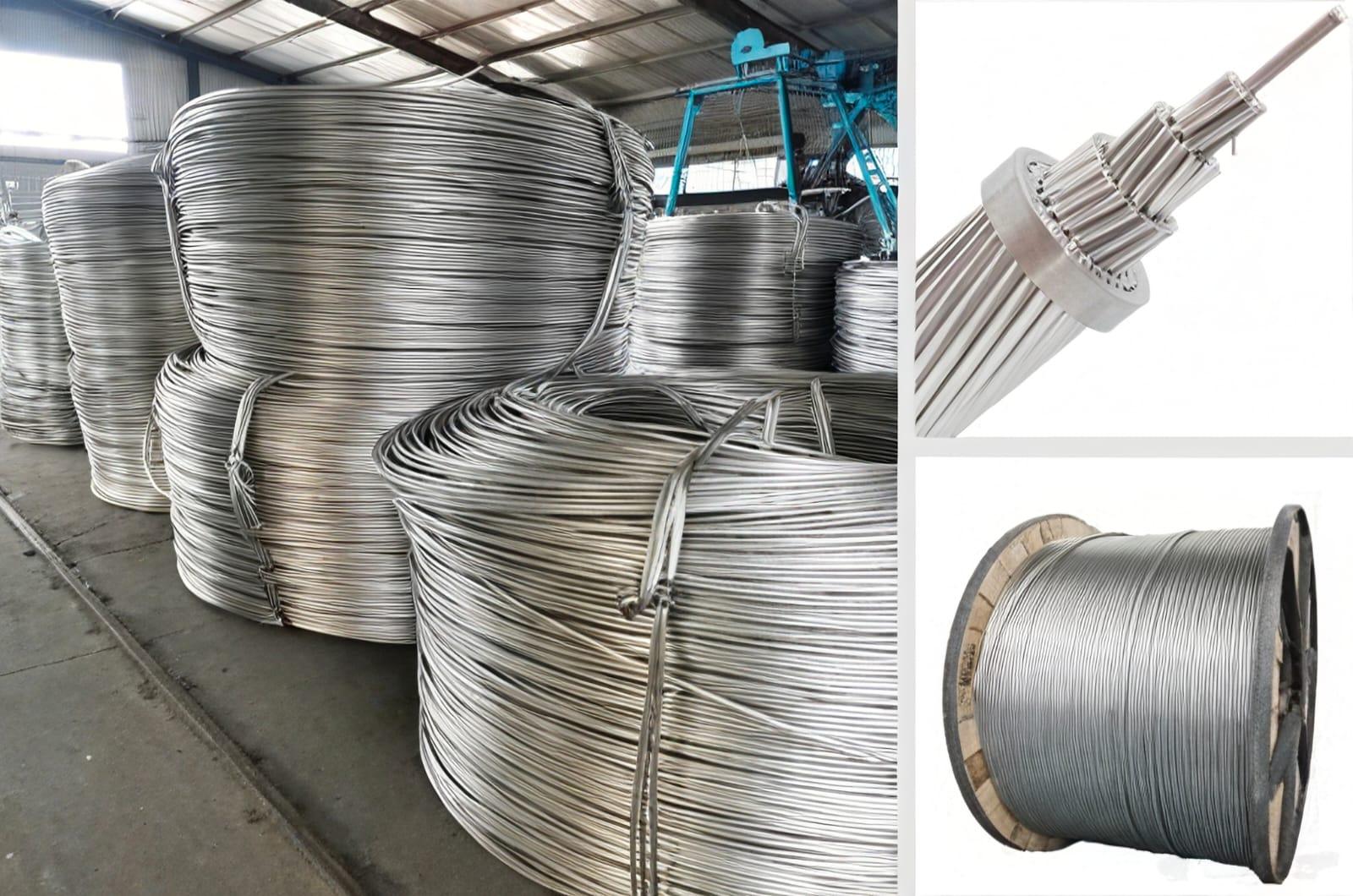
Saudi Arabia’s aluminum alloy conductors industry is gaining momentum as the Kingdom invests heavily in strengthening its electricity infrastructure. From powering futuristic cities such as NEOM to connecting renewable energy projects across vast desert regions, reliable transmission networks have become more important than ever. With national peak electricity demand exceeding 80 GW and significant investments flowing into grid modernization, aluminum alloy conductors are playing a critical role due to their lightweight design, durability, and cost efficiency. As Saudi Arabia advances its energy transformation agenda, the industry is well-positioned for sustained growth over the coming decade.
Market Drivers Advancing the Saudi Arabia Aluminum Alloy Conductors Industry
Rising Electricity Consumption Driving Transmission Network Expansion
Saudi Arabia’s growing population, expanding urban centers, and increasing industrial activity continue to place greater pressure on the national power grid. Major investments in transmission and distribution infrastructure are being made to ensure reliable electricity supply across the country. With peak power demand surpassing 80 GW, utilities are expanding high-voltage transmission lines and upgrading aging networks. Aluminum alloy conductors have emerged as a preferred solution because they deliver strong electrical performance while reducing overall infrastructure costs and installation complexity.
Vision 2030 Renewable Energy Projects Creating New Demand Opportunities
The Kingdom’s transition toward cleaner energy sources is becoming a powerful growth catalyst for the aluminum alloy conductors industry. Under Vision 2030, Saudi Arabia is rapidly increasing solar and wind power installations to diversify its energy mix. Landmark projects such as the Sudair Solar PV plant and multiple utility-scale renewable developments require extensive transmission connections to move electricity from generation sites to major demand centers. As renewable capacity continues to expand, demand for advanced conductors capable of supporting efficient long-distance transmission is expected to rise significantly.
Mega-Projects and Industrial Development Strengthening Market Potential
Saudi Arabia’s ambitious economic diversification strategy is generating new opportunities for conductor manufacturers. Mega-projects including NEOM, The Red Sea Project, Qiddiya, and various industrial cities require large-scale power infrastructure to support residential, commercial, and industrial operations. Thousands of kilometers of transmission and distribution networks will be necessary to meet future electricity requirements. Aluminum alloy conductors offer an attractive balance of strength, conductivity, and longevity, making them particularly suitable for these high-investment infrastructure developments
Government Initiatives Supporting the Aluminum Alloy Conductors Industry
Government-backed investments remain a cornerstone of market growth. Through Vision 2030, the Saudi government continues to prioritize electricity network expansion, renewable energy integration, and smart grid implementation. Initiatives led by the Ministry of Energy, the Saudi Electricity Company, and the National Renewable Energy Program are encouraging substantial investments in transmission infrastructure. These efforts are creating a favorable environment for conductor manufacturers while supporting the Kingdom’s long-term energy security and sustainability objectives.
Competitive Landscape of the Saudi Arabia Aluminum Alloy Conductors Sector
The market features a combination of international cable leaders and regional suppliers competing for major utility and infrastructure contracts. Prominent participants include Prysmian Group, Nexans, Elsewedy Electric, Apar Industries, and Midal Cables. Companies are increasingly focusing on improving conductor efficiency, meeting stringent technical specifications, and developing partnerships with utilities and engineering contractors. Participation in large-scale government-funded power and renewable energy projects remains a key strategy for strengthening market position.
Challenges Impacting the Saudi Arabia’s Aluminum Alloy Conductors Industry
Aluminum Price Volatility Pressuring Manufacturing Economics
Fluctuations in global aluminum prices can directly affect production costs and profitability. Manufacturers often face challenges in maintaining competitive pricing while managing volatile raw material expenses.
Evolving Grid Standards Increasing Compliance Requirements
As Saudi Arabia modernizes its transmission infrastructure, utilities are demanding higher product quality, reliability, and operational performance. Meeting increasingly stringent technical standards requires continuous investment in testing, certification, and product innovation, adding complexity for market participants.
Future Prospects
The outlook for Saudi Arabia’s aluminum alloy conductors industry remains highly promising as energy demand, renewable power generation, and infrastructure development continue to expand simultaneously. Growing investments in smart grids, high-voltage transmission corridors, and renewable energy integration will create long-term opportunities for manufacturers and suppliers. As the Kingdom progresses toward its economic diversification and sustainability goals, aluminum alloy conductors will remain an essential component of modern power networks, helping connect industries, communities, and emerging smart cities across Saudi Arabia.
Consultants at Nexdigm, in their latest publication “KSA Aluminum Alloy Conductors Market Outlook to 2035” analyze the sector By End User (Utility Scale Infrastructure and Cross-Border Interconnection Grids), By Voltage Class (Low Voltage Under 1kv and Medium Voltage 1kv to 36kv) and By Installation Environment (Inland Mountainous Terrain and Remote Industrial Mining Areas) and By Manufacturing Origin (GCC Regional Imports and Asia-Pacific Regional Imports).
Nexdigm suggests that businesses in “KSA Aluminum Alloy Conductors Industry” focusses on oilfield, desalination, construction, and industrial applications, strengthen local warehousing, develop application-specific grades, improve technical support, and build resilient sourcing networks to serve expanding energy, water, and manufacturing demand.
To take the next step, simply visit our Request a Consultation page and share your requirements with us.
Harsh Mittal
+91-8422857704