
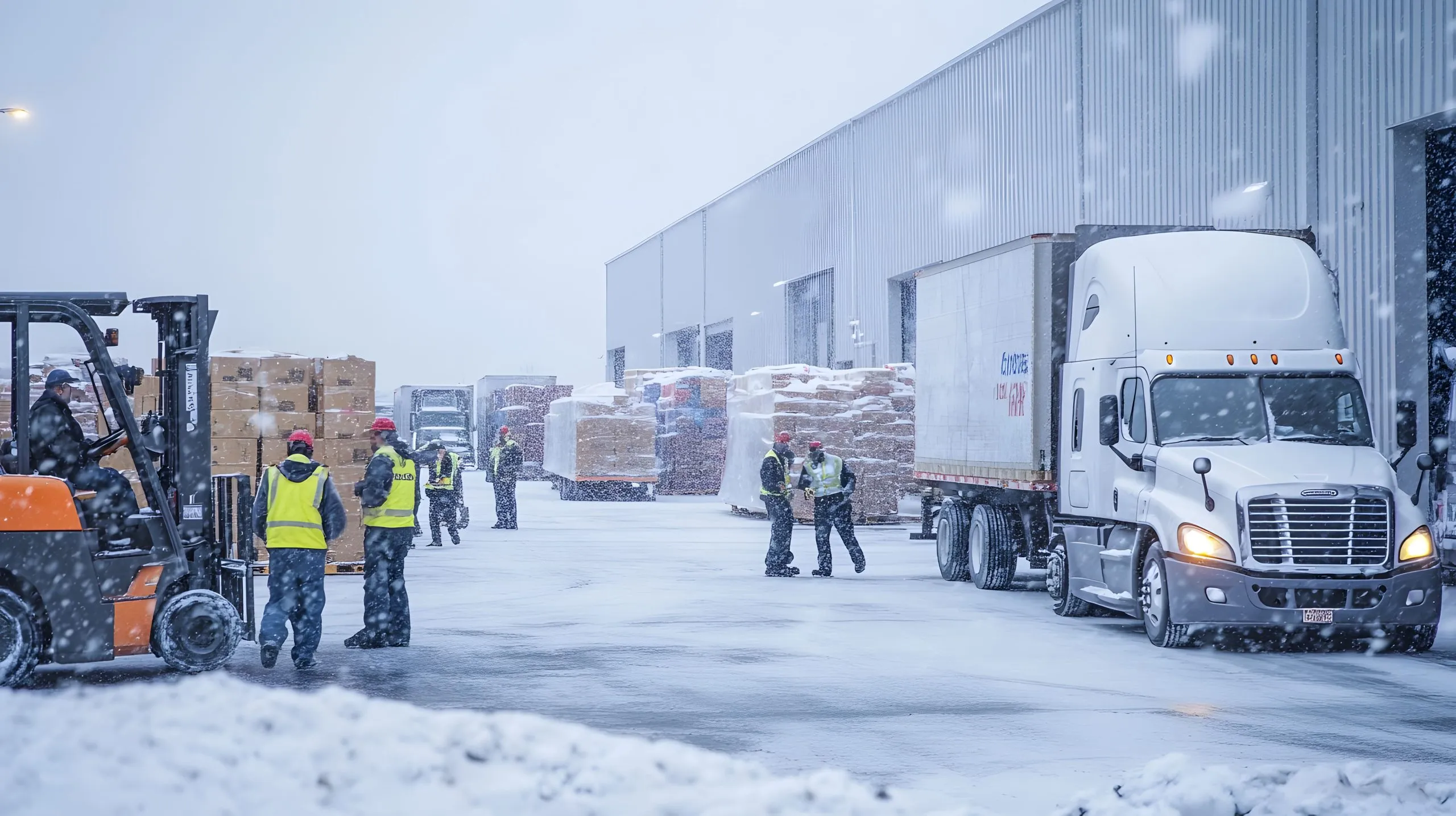
Saudi Arabia’s cold chain logistics market has moved from being a back-end support function to a core part of national infrastructure. Food imports, modern grocery retail, vaccine handling, and domestic drug manufacturing all depend on reliable temperature-controlled storage and transport. In a country where summer temperatures can cross 45°C, cold chain failure is not a minor inconvenience – it can mean spoiled food, rejected shipments, or compromised medicines. As of 2026, Saudi Arabia still imports a meaningful share of dairy inputs, frozen foods, meat, and specialty pharmaceuticals. That makes logistics performance especially important. A delay at a port or a poorly managed warehouse can quickly turn into financial loss. Vision 2030 investments in transport corridors, industrial zones, and healthcare are helping close those gaps, while private operators are racing to modernize fleets and storage assets.
What’s Driving the Cold Chain Logistics Market in KSA?
Food Imports Need Reliable Temperature Control
Saudi Arabia’s climate limits domestic production in several food categories, so imports remain essential. Poultry, seafood, fruits, dairy products, and frozen packaged meals often travel long distances before reaching shelves in Riyadh or Jeddah. That creates steady demand for refrigerated warehousing near ports and efficient inland trucking networks. Retailers have become less tolerant of wastage than they were a decade ago. Large supermarket chains now track shelf life closely, and poor handling can quickly erode margins. In practice, this means better pallet monitoring, faster unloading times, and tighter warehouse discipline.
Healthcare and Pharma Standards Are Rising
The healthcare segment has become one of the more attractive parts of the market. Vaccines, insulin, biologics, and temperature-sensitive therapies need narrow storage ranges and documented compliance. Hospitals and distributors are asking for real-time data logging rather than simple assurances. Saudi Arabia is also encouraging local pharmaceutical manufacturing. That creates a two-way logistics requirement: inbound movement of ingredients and outbound movement of finished products. Cold chain providers that understand validation standards and audit processes are likely to outperform basic transport operators.
E-commerce, Hospitality, and Food Service Expansion
Consumer behavior has changed quickly. Grocery apps, same-day delivery, premium meal kits, and restaurant chains all rely on dependable chilled transport. The rise of quick commerce has made urban cold logistics far more complex than traditional bulk delivery models. At the same time, tourism growth, pilgrimage traffic, and hotel development are adding fresh demand for meat, dairy, desserts, and ready-to-cook products. A five-star hotel and a dark kitchen may need very different delivery schedules, but both need consistency.
Government-Led Initiatives Supporting the Market
The National Transport and Logistics Strategy has given the sector a clear push. Saudi Arabia wants smoother trade flows across ports, airports, rail links, and industrial zones, and cold storage naturally benefits when broader logistics improve. Better roads and customs processing often matter as much as building another warehouse. Food security programs are another tailwind. Authorities have backed greenhouse farming, local food production, and supply resilience planning. Healthcare spending has also increased, which indirectly supports pharmaceutical logistics. The policy direction is clear: fewer weak links, more dependable supply chains.
Market Competition and Distribution Landscape
The market remains moderately fragmented. Large international logistics firms compete with regional specialists and local transport fleets. Some players offer nationwide warehousing and fleet management, while others survive by knowing one city or one trade lane extremely well. A noticeable shift is the move toward integrated contracts. Retailers and pharma clients increasingly prefer one provider that can manage customs clearance, storage, transport, and tracking. That reduces finger-pointing when something goes wrong. Smaller firms can still compete, but they often need niche expertise or better service responsiveness.
High Operating Costs in a Harsh Climate
Running cold chain assets in Saudi Arabia is expensive. Refrigeration systems consume heavy power, reefer trucks need frequent maintenance, and equipment works harder in extreme heat. Energy efficiency sounds attractive on paper, yet upgrading facilities requires capital many smaller operators do not have. A common challenge is pricing pressure. Customers want premium reliability but often negotiate on cost. That tension can lead to underinvestment, especially among low-margin providers.
Future Outlook
By 2035, Saudi Arabia’s cold chain market is likely to look more sophisticated and more selective. Customers will demand temperature visibility, not just transport capacity. IoT sensors, route optimization software, and semi-automated cold warehouses should become more common, particularly in Riyadh, Jeddah, and Dammam. Pharma logistics may emerge as the premium segment because compliance barriers are higher and margins tend to be stronger. Food logistics will remain larger by volume, though competition there may stay intense.
Consultants at Nexdigm, in their latest publication “KSA Cold Chain Logistics Market Outlook to 2035”, analyzed the market by Service Type (Cold Storage, Refrigerated Transportation, Value-Added Services), By End User (Food & Beverage, Pharmaceuticals, Retail, Chemicals), and By Region (Central, Western, Eastern, Southern Saudi Arabia). Nexdigm believes companies should focus on energy-efficient facilities, audited handling standards, and digital shipment visibility while using Saudi Arabia’s location as a practical gateway for GCC trade.
To take the next step, simply visit our Request a Consultation page and share your requirements with us.
Harsh Mittal
+91-8422857704