
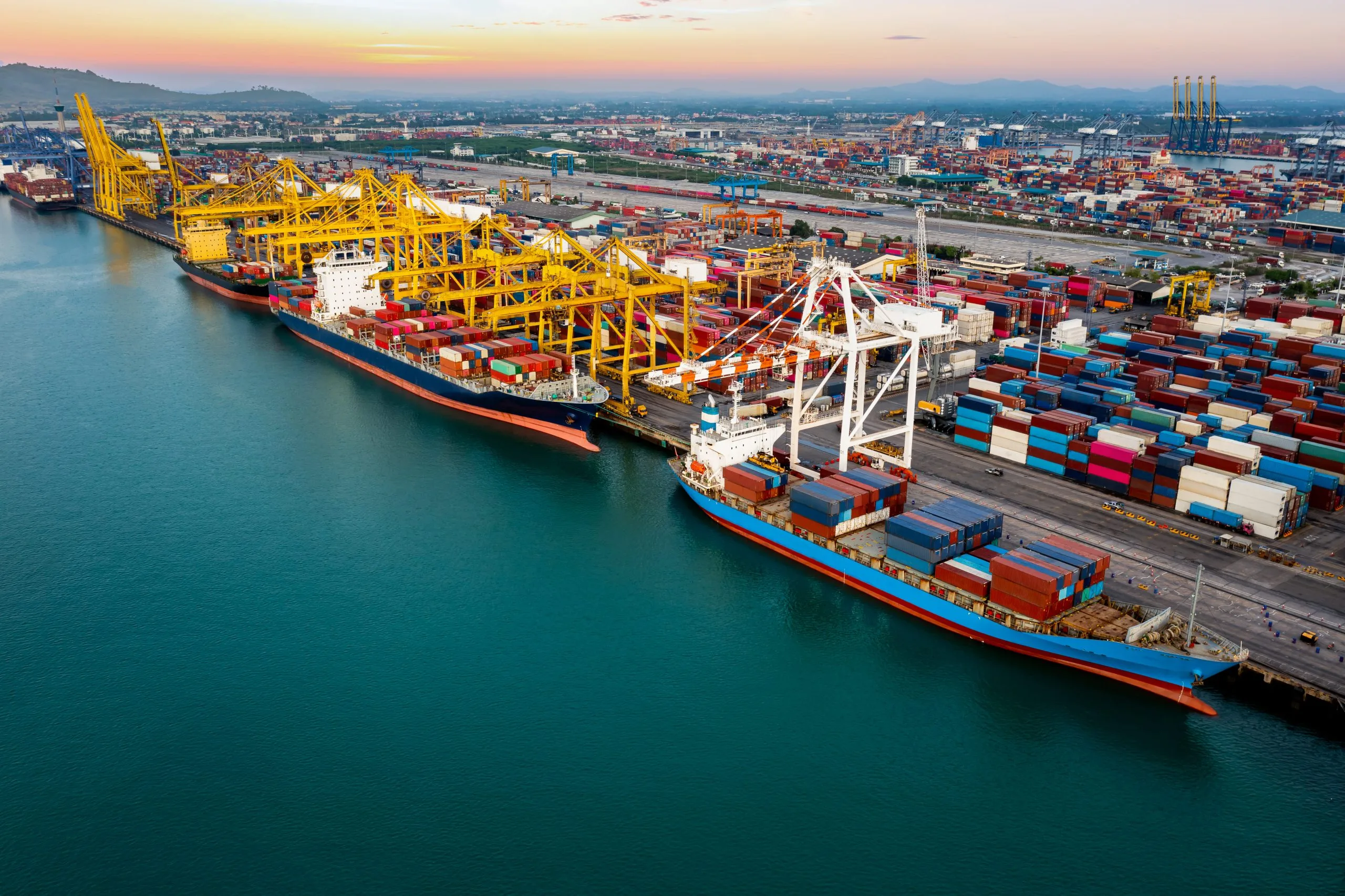
Saudi Arabia’s freight forwarding industry has moved well beyond its traditional role of simply handling import cargo. It now sits at the center of the Kingdom’s broader trade and industrial agenda. With Vision 2030 pushing diversification away from oil, the movement of goods across ports, airports, highways, and rail lines has become a priority sector. That shift matters because freight forwarding often acts as the invisible layer connecting factories, retailers, customs authorities, and end customers. As of 2026, Saudi Arabia continues to expand logistics capacity through projects around Jeddah, Dammam, Riyadh, and the Red Sea corridor. Warehousing clusters, free zones, and digital customs platforms are improving cargo flow. At the same time, businesses want faster transit, clearer pricing, and fewer delays. Those demands are reshaping what freight forwarders need to offer. By 2035, firms that combine execution with technology and local expertise are likely to outperform those competing only on price.
What’s Driving the Freight Forwarding Market in KSA?
Trade Routes and Geographic Reach
Saudi Arabia sits in a commercially useful location between Asia, Europe, and Africa. That sounds obvious, but in freight terms it means shorter rerouting options, better transshipment potential, and access to multiple shipping lanes. Jeddah Islamic Port remains a critical gateway for Red Sea traffic, while Dammam supports Gulf trade and industrial cargo. For freight forwarders, geography only becomes valuable when paired with infrastructure. Saudi Arabia has spent heavily on terminals, inland links, and customs modernization, making that location advantage more practical than theoretical.
Manufacturing and Industrial Cargo Demand
Factories need regular inbound shipments of components and outbound movement of finished goods. Saudi Arabia’s push into automotive assembly, pharmaceuticals, food processing, chemicals, and mining has created exactly that pattern. This type of cargo is often more complex than standard consumer imports. It may need temperature control, hazardous handling, oversized transport, or strict documentation. In practice, industrial clients usually prefer reliability over the cheapest quote. A delayed machinery shipment can cost more than premium freight rates. That tends to favor experienced forwarding firms with stronger operating discipline.
E-commerce and Faster Supply Chains
Online retail has changed expectations across the Kingdom. Consumers now compare delivery times the way they compare prices. Retailers therefore need inventory closer to demand centers and quicker replenishment from overseas suppliers. This has created room for freight companies that can blend ocean freight for cost efficiency with air cargo for urgent stock movement. Mid-sized sellers, especially cross-border merchants, often rely on forwarders to handle customs paperwork, parcel consolidation, and returns flow. That side of the market will likely stay active for years.
Government-Led Initiatives
Public policy has played a major role in moving logistics higher on the national agenda. The National Transport and Logistics Strategy aims to make Saudi Arabia one of the leading logistics hubs globally, backed by port upgrades, airport expansion, rail links, and special economic zones. Saudi Customs has also digitized several procedures, reducing paperwork that once slowed cargo release. On the ground, smoother clearance can save importers days rather than hours, which often matters more than people assume. Faster release lowers storage costs and keeps inventory moving. There is still work to do. Infrastructure can be built quickly, but operational consistency across every node usually takes longer.
Market Competition
Competition in the KSA freight forwarding market is active and layered. Global names such as DHL Group, Kuehne+Nagel, and DB Schenker bring international networks and technology tools. Local and regional operators often counter with stronger domestic relationships, Arabic-language service teams, and a better feel for local compliance requirements. Price competition remains intense, particularly in standard sea freight lanes. Yet many shippers have learned that the cheapest option can become expensive once delays, poor communication, or customs errors appear. As a result, service quality is becoming a clearer differentiator.
Margin Pressure and Talent Availability
A common challenge is that customers ask for premium service while negotiating aggressively on rates. Freight forwarding already runs on relatively thin margins, so volatile fuel costs, vessel pricing swings, and trucking shortages can quickly squeeze profits. The sector also needs trained staff in customs brokerage, route planning, and digital operations. Hiring locally is improving, but experienced talent remains uneven across the market. Without stronger workforce depth, some firms may struggle to scale smoothly.
Future Outlook
The KSA freight forwarding market should remain on a firm upward path through 2035, supported by trade diversification and continued industrial investment. Rail freight is likely to take a larger share for inland cargo, while ports and airports handle growing international volumes. Warehouses will become more automated, and shipment visibility tools may move from optional to standard. Not every player will benefit equally. Firms that rely on manual processes or generic pricing models may lose ground. Those building sector expertise in healthcare, industrial projects, retail, or cold chain logistics stand to do better.
Consultants at Nexdigm, in their latest publication “KSA Freight Forwarding Market Outlook to 2035”, analyzed the market by Mode of Transport (Air, Sea, Road, Rail), By End User (Retail, Manufacturing, Healthcare, Oil and Gas, E-commerce), and By Service Type (Transportation, Customs Brokerage, Warehousing, Value-Added Services). Nexdigm believes the strongest opportunities will come from digital execution, multimodal coordination, and specialized industry solutions.
To take the next step, simply visit our Request a Consultation page and share your requirements with us.
Harsh Mittal
+91-8422857704