
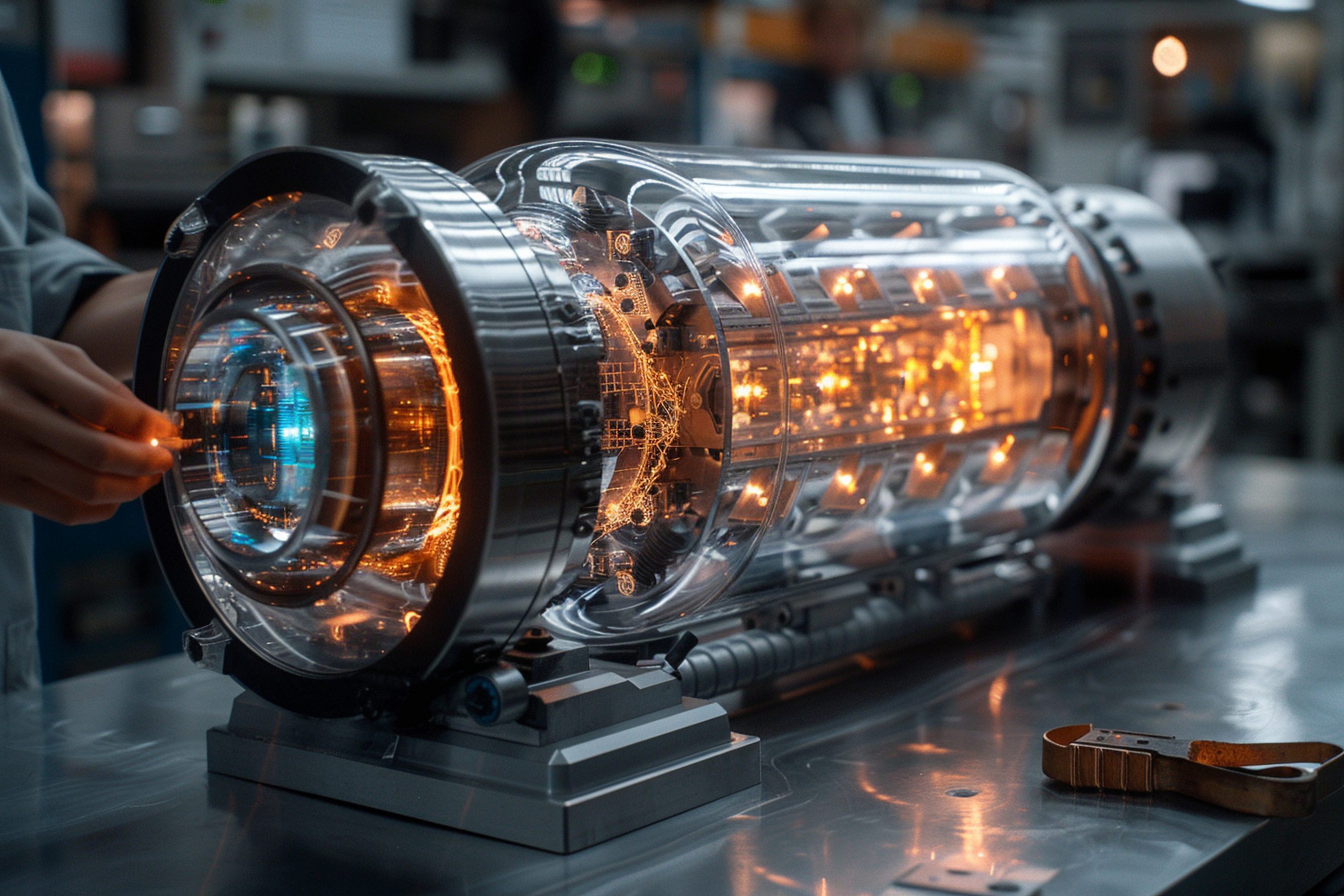
Saudi Arabia’s industrial electric motors market is gaining momentum as the Kingdom accelerates its economic diversification under Vision 2030. Growing investments in oil and gas, petrochemicals, mining, manufacturing, water utilities, and infrastructure are creating consistent demand for reliable and energy-efficient motors. These machines play an essential role in powering pumps, compressors, conveyors, fans, and automated production systems. According to IMARC Group, the Saudi industrial motors market reached approximately USD 231.6 million in 2025 and is projected to reach USD 348.5 million by 2034, registering a CAGR of 4.65% during 2026–2034.
Key Market Drivers Accelerating the KSA Industrial Electric Motors Industry
Expanding Industrial Infrastructure and Manufacturing Activities
Saudi Arabia’s growing industrial base is one of the strongest contributors to electric motor demand. Investments in industrial cities, petrochemical facilities, refineries, and manufacturing plants are increasing the need for motors across production and material-handling operations. The expansion of industrial infrastructure is particularly significant in Jubail, Yanbu, and other manufacturing hubs. An Aramco industry presentation also highlights expectations of approximately 36,000 industrial plants in the Kingdom by 2035, indicating substantial long-term opportunities for motor suppliers.
Rising Demand from Oil, Gas, Mining, and Water Utilities
Oil and gas operations remain important consumers of industrial electric motors, particularly for drilling equipment, pumps, compressors, ventilation systems, and processing facilities. Meanwhile, investments in mining, mineral processing, and desalination are broadening the customer base. Saudi Arabia’s growing focus on phosphate, gold, and bauxite extraction is creating additional demand for heavy-duty motors capable of operating under demanding conditions. Water treatment and desalination projects are also supporting procurement of reliable, continuous-operation motor systems.
Industrial Automation and Energy-Efficient Technologies
The adoption of automation, smart manufacturing, and digital monitoring is changing motor purchasing preferences. Industries are increasingly investing in high-efficiency motors, variable frequency drives (VFDs), and intelligent motor systems to reduce electricity consumption and operational downtime. These technologies offer better speed control, improved productivity, and predictive maintenance capabilities. As companies prioritize operating efficiency and sustainability, demand for premium-efficiency IE3 and IE4 motors is expected to strengthen through 2035.
Government Support and Industrial Localization Initiatives Strengthening Market Development
Saudi Arabia’s Vision 2030 and National Industrial Strategy are creating a supportive environment for industrial electric motor manufacturers and suppliers. Through the National Industrial Development and Logistics Program (NIDLP), the government is focusing on industrial diversification, advanced manufacturing, local content, and supply-chain development. The General Authority for Military Industries is also highlighting opportunities to localize electric motor production. These initiatives can encourage domestic manufacturing, attract foreign investment, strengthen technical capabilities, and reduce dependence on imported industrial equipment.
Competitive Landscape, Global Manufacturers and Local Suppliers Shape the Industry
The KSA industrial electric motors market features established international manufacturers alongside regional distributors, service providers, and domestic industrial companies. Major participants include ABB, Siemens, WEG, Nidec, Toshiba, TECO, and Regal Rexnord. Competition is increasingly based on energy efficiency, product reliability, customized motor solutions, pricing, and after-sales support. Companies with local partnerships, maintenance networks, and the ability to meet Saudi technical and certification requirements are likely to gain an advantage as industrial investments expand.
Market Challenges Affecting Industrial Electric Motor Adoption
Dependence on Imported Equipment and Raw Material Costs
Despite localization initiatives, the market remains exposed to imported motor components and finished products. Fluctuations in copper, electrical steel, and other raw material prices can increase manufacturing and procurement costs. International supply-chain disruptions may also affect delivery schedules, particularly specialized and high-capacity motors.
High Initial Investment and Technical Requirements
Premium-efficiency motors, intelligent monitoring systems, and advanced drive technologies often involve higher upfront costs. Smaller industrial operators may hesitate to replace existing equipment without a clear return on investment. Additionally, specialized installation, maintenance, and technical expertise remain important considerations for wider adoption.
Future Outlook
The KSA industrial electric motors market is expected to maintain a positive growth trajectory through 2035, supported by industrial diversification, infrastructure investments, mining expansion, and increasing automation. Demand is likely to shift gradually toward energy-efficient, digitally connected, and application-specific motor solutions. Domestic manufacturing and localization efforts could also create opportunities for new suppliers and technology partnerships. While project execution and imported component costs may influence market performance, manufacturers offering reliable products, competitive pricing, and strong after-sales services will be well-positioned to benefit from the Kingdom’s evolving industrial landscape.
Consultants at Nexdigm, in their latest publication “KSA Industrial Electric Motors Market Outlook to 2035,” analyze the sector by Motor Type (AC Induction Motors, DC Motors, Synchronous Motors, Specialty Motors), By Efficiency Class (IE1 Standard Efficiency, IE2 High Efficiency, IE3 Premium Efficiency), and By Application Vertical (Oil and Gas Refining, Petrochemical Processing, Water Desalination Plants).
Nexdigm suggests that businesses should prioritize investments in energy-efficient motor technologies, strengthen local manufacturing partnerships, and develop reliable after-sales service capabilities to capitalize on Saudi Arabia’s expanding industrial ecosystem. Companies should also align their product portfolios with Vision 2030 initiatives, increasing demand for automation, and the growing adoption of sustainable industrial operations.
To take the next step, simply visit our Request a Consultation page and share your requirements with us.
Harsh Mittal
+91-8422857704