
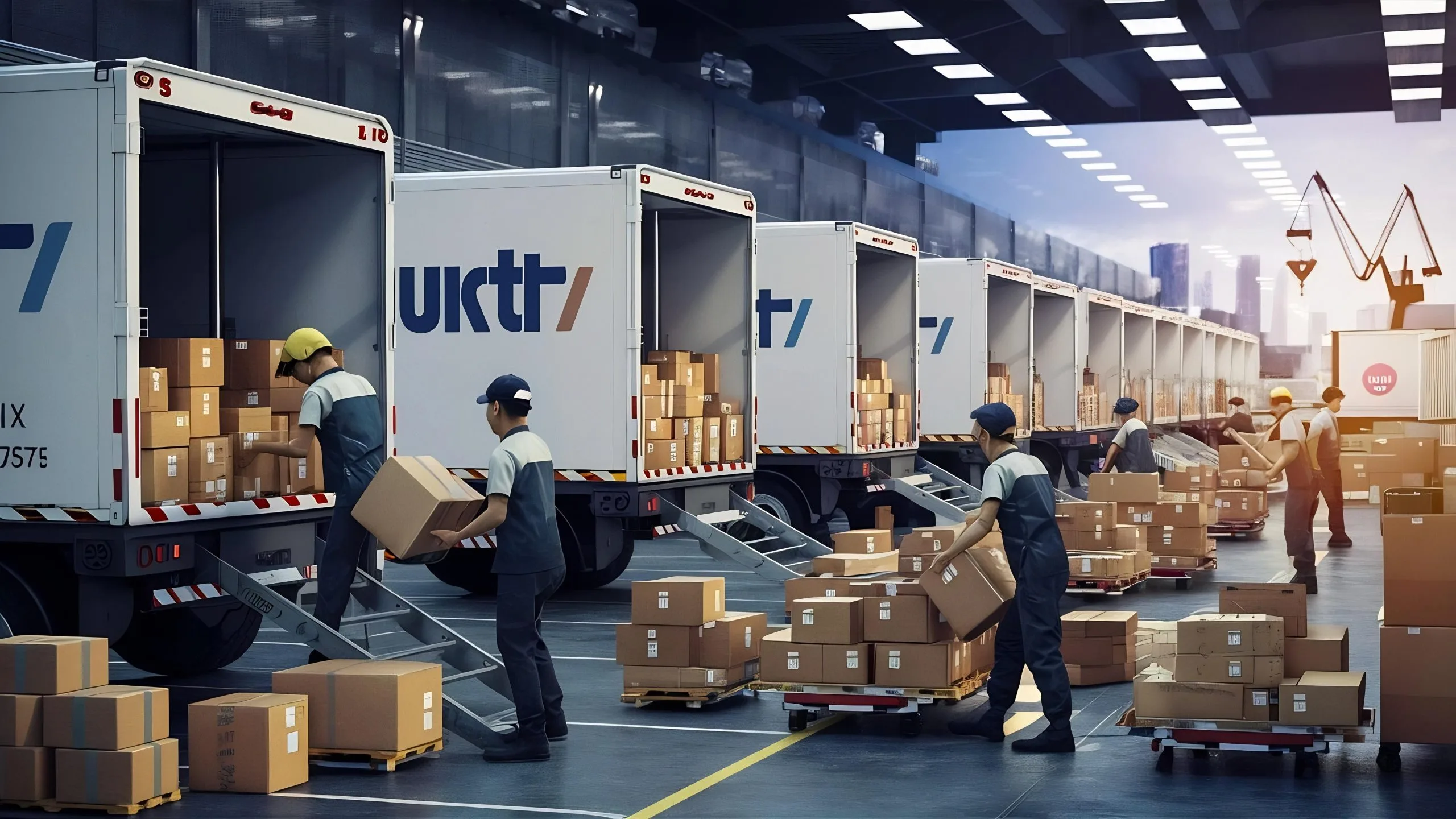
Singapore’s third-party logistics (3PL) sector has always had a certain edge, but the nature of that advantage is changing. The country still benefits from its location along major shipping lanes and its reputation for efficiency, yet the real shift now comes from how logistics services are being redefined. As of 2026, a large share of regional cargo continues to pass through Singapore, but the focus is no longer just on movement of goods. Companies now expect integrated services such as inventory visibility, rapid fulfillment, and specialized handling. The rise of e-commerce, pharmaceuticals, and high-value electronics trade has made logistics far more complex than simple warehousing and transport.
What’s Driving the 3PL Market in Singapore?
E-commerce Fulfillment and Changing Consumer Expectations
Online retail across Southeast Asia has altered how logistics providers operate on a daily basis. Retailers no longer look for just storage space; they need partners who can manage returns, handle peak sale volumes, and ensure same or next-day delivery. In practice, this means 3PL firms in Singapore are redesigning warehouses into fulfillment hubs with automated sorting and picking systems. A common challenge here is balancing speed with cost, since faster delivery often eats into margins. Still, businesses are willing to pay for reliability, especially when serving cross-border customers.
Singapore as a Redistribution Hub for Asia-Pacific
Few locations can match Singapore’s connectivity. Goods arriving from Europe or the US are often broken down here and redistributed across ASEAN markets. This role has become even more relevant as companies rethink supply chains after recent global disruptions. Rather than relying on a single large warehouse in one country, firms are spreading inventory across smaller hubs, with Singapore acting as the anchor. On the ground, this has led to steady demand for contract logistics and regional distribution services, particularly for industries such as semiconductors and healthcare.
Technology Adoption in Warehousing and Transport
Automation is no longer a future concept in Singapore’s logistics sector; it is already visible inside most large facilities. Robotic picking systems, automated guided vehicles, and AI-based forecasting tools are being deployed to handle rising volumes without proportionate increases in labor. That said, the transition is not seamless. Smaller operators often struggle with the upfront investment required, and there is still a learning curve when integrating new systems with legacy processes. Even so, firms that delay adoption risk falling behind, especially when clients expect real-time tracking and data transparency as a basic offering.
Government-Led Initiatives
Public sector involvement has played a steady role in shaping logistics capabilities. The development of Tuas Mega Port stands out, not just for its scale but for its emphasis on automation and efficiency. Once fully operational, it will consolidate port activities and reduce turnaround times significantly. Alongside infrastructure, programs under the Logistics Industry Transformation Map encourage companies to digitize operations and upskill workers. These initiatives are practical rather than symbolic, addressing real bottlenecks such as manpower shortages and fragmented systems.
Market Competition
Competition in Singapore’s 3PL space is intense, with global names such as DHL Supply Chain, Kuehne+Nagel, DB Schenker, and UPS Supply Chain Solutions competing alongside regional specialists. What is interesting is how the basis of competition has shifted. Pricing still matters, but clients increasingly evaluate providers on their ability to handle complex requirements like cold chain logistics or multi-country distribution. Partnerships are becoming more common, particularly when companies want to expand capabilities without building everything in-house. Smaller firms, meanwhile, often survive by focusing on niche segments or highly customized services.
High Operating Costs and Space Constraints
One persistent issue is cost. Land in Singapore remains expensive, and warehousing space is limited. This pushes operators toward vertical storage solutions and highly automated facilities, which are efficient but capital intensive. Labor costs add another layer of pressure, especially for roles that cannot be fully automated. For some companies, the economics only work when they handle high volumes or specialize in premium services. Others may find it difficult to compete unless they adapt quickly.
Future Outlook
Looking ahead, the Singapore 3PL market will likely evolve into a more specialized and technology-heavy sector. Growth will not necessarily come from volume alone but from the type of services offered. Areas such as pharmaceutical logistics, temperature-controlled storage, and high-value cargo handling are set to gain importance. Sustainability will also move from being a talking point to a requirement, with companies exploring electric delivery fleets and energy-efficient warehouses. At the same time, there are trade-offs. Greater automation may reduce reliance on labor but increases dependence on capital and technical expertise. Firms that manage this balance well will stand out. By 2035, Singapore may not be the cheapest logistics hub in the region, but it will remain one of the most reliable and sophisticated.
Consultants at Nexdigm, in their latest publication “Singapore 3PL Market Outlook to 2035”, analyze the market by Service Type (Transportation, Warehousing and Distribution, Value-Added Services), By End User (E-commerce, Manufacturing, Healthcare, Retail, Others), and By Mode of Transport (Roadways, Seaways, Airways, Multimodal). The firm suggests that companies focus on automation, invest in specialized capabilities such as cold chain, and make better use of Singapore’s role as a regional distribution base to unlock long-term opportunities.
To take the next step, simply visit our Request a Consultation page and share your requirements with us.
Harsh Mittal
+91-8422857704