
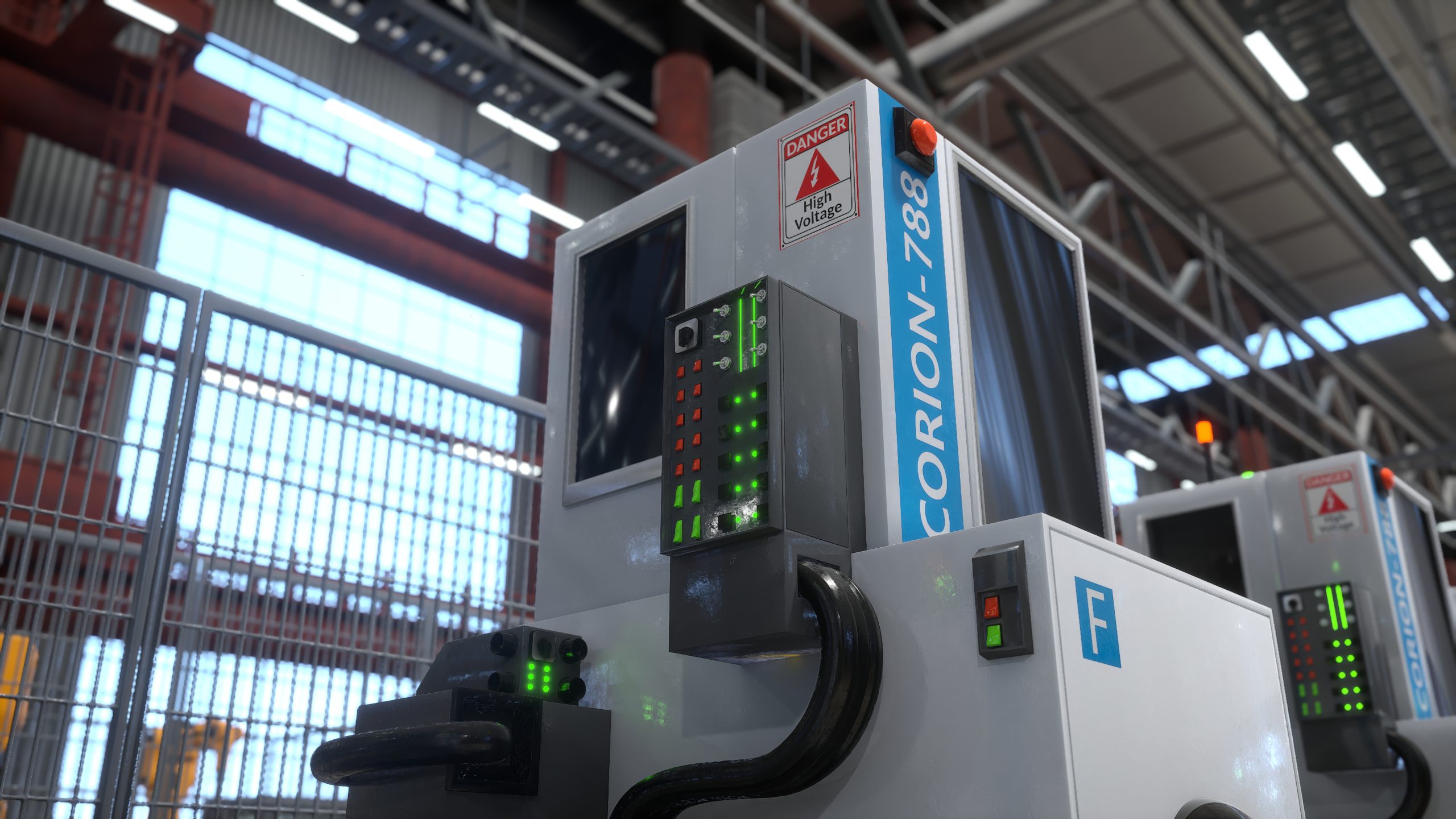
The Singapore advanced energy storage systems market is experiencing significant expansion, supported by renewable energy integration, electricity infrastructure modernization, and increasing demand for reliable power storage solutions. Advanced storage technologies are used across utility-scale networks, industrial facilities, commercial buildings, and renewable energy projects to improve grid stability and operational efficiency. Singapore’s installed energy storage capacity has reached approximately 350 MWh, with a national target to exceed 1 GWh by 2030. Growing electricity demand, limited land availability, solar energy expansion, and technological advancements are creating favorable opportunities for high-performance and space-efficient energy storage technologies.
Growth Drivers Shaping Singapore’s Advanced Energy Storage Systems Industry
Renewable Energy Expansion Accelerates Energy Storage Demand
Increasing investments in solar power generation are strengthening demand for advanced energy storage systems across Singapore. The country achieved approximately 2 GWp of installed solar capacity in 2025 and aims to reach 3 GWp by 2030. Solar electricity production fluctuates throughout the day, creating demand for storage technologies that capture surplus generation and release electricity during periods of lower output. Lithium-ion batteries, thermal storage systems, and intelligent energy management platforms improve grid flexibility, reduce renewable energy intermittency, and support reliable electricity delivery. Expanding rooftop and floating solar installations are encouraging wider integration of energy storage technologies across commercial, industrial, and utility applications.
Grid Modernization and Rising Electricity Demand Support Market Growth
Expanding data centers, semiconductor manufacturing, transportation electrification, and industrial activities are creating opportunities for advanced energy storage technologies. Singapore’s operational storage capacity of approximately 350 MWh is targeted to increase to just over 1 GWh by 2030, reflecting growing requirements for grid flexibility. Energy storage systems provide frequency regulation, peak-load management, backup electricity, and improved network resilience. Increasing reliance on digital infrastructure and uninterrupted power supplies is encouraging utilities and commercial operators to explore scalable battery systems and advanced energy management solutions.
Space-Efficient Storage Technologies Encourage Market Expansion
Singapore’s limited land availability is encouraging innovation in compact and modular energy storage technologies. A major battery storage facility expanded its capacity from 285 MWh to 326 MWh through vertical battery stacking without increasing its physical footprint. Advanced lithium iron phosphate batteries, improved thermal management systems, and modular storage configurations can enhance capacity utilization, operational safety, and system efficiency. Growing interest in high-density installations is creating opportunities for specialized storage technology providers.
Government Supporting Singapore Advanced Energy Storage Systems Industry Development
Singapore’s clean energy policies are supporting investment in electricity storage, renewable integration, and grid modernization. The government has announced a target to increase national energy storage capacity from approximately 350 MWh to more than 1 GWh by 2030. It also aims to expand installed solar capacity to 4 GWp by 2035. Policy initiatives encouraging grid flexibility, energy storage innovation, and industry collaboration are creating opportunities for technology suppliers while supporting reliable electricity infrastructure development.
Competitive Dynamics Across Singapore’s Advanced Energy Storage Systems Industry
The Singapore advanced energy storage systems market includes international battery manufacturers, regional energy developers, specialized technology integrators, equipment distributors, and engineering service providers. Competition centers on energy density, storage efficiency, operational lifespan, safety performance, pricing, and system reliability. Suppliers are increasingly investing in advanced lithium-ion technologies, vertically stacked battery configurations, intelligent monitoring software, and efficient thermal management systems. Companies offering customized storage solutions, technical expertise, dependable maintenance services, and integrated energy management capabilities can strengthen competitiveness across utility, commercial, industrial, and renewable energy applications.
Challenges Influencing Singapore’s Advanced Energy Storage Systems Industry
Land Constraints and High Installation Costs
Limited land availability creates challenges for large-scale battery storage deployment and supporting infrastructure development. Advanced energy storage projects require significant investment in battery systems, power electronics, cooling equipment, and grid connections, potentially increasing project costs and limiting installation flexibility.
Supply Chain Dependence and Safety Requirements
Dependence on imported battery cells, critical minerals, and specialized components exposes suppliers to international price fluctuations and procurement disruptions. Singapore’s hot and humid climate also requires effective thermal management, while stringent fire safety, battery degradation, and recycling requirements can increase operational complexity.
Future Outlook
The Singapore advanced energy storage systems market is expected to maintain strong growth, supported by solar expansion, rising electricity demand, and continued grid modernization. Demand for lithium-ion batteries, long-duration storage technologies, and intelligent energy management systems will create opportunities across utility, commercial, and industrial applications. Advancements in vertical battery stacking, modular storage configurations, thermal management, and digital grid integration are likely to improve capacity utilization and operational efficiency. As Singapore advances renewable energy adoption and strengthens electricity infrastructure, suppliers offering compact, reliable, scalable, and high-performance storage technologies should remain well positioned for long-term expansion.
Consultants at Nexdigm, in their latest publication “Singapore Advanced Energy Storage Systems Market Outlook to 2035,” analyze the sector By Storage Technology (Lithium-Ion Chemistries, Lithium Iron Phosphate, Nickel Manganese Cobalt, Lithium Titanate Oxide, Flow Battery Systems, Vanadium Redox Flow, Zinc-Bromine Flow, By Operational Application (Grid Ancillary Services, C&I Microgrid Backup, Electric Vehicle Charging Buffers, Renewable Energy Time-Shifting)
Nexdigm suggests that businesses in the Singapore Advanced Energy Storage Systems Market Outlook to 2035 should prioritize space-efficient battery technologies, strategic utility partnerships, advanced thermal management, regional supply chain development, and intelligent energy integration to strengthen competitiveness, improve grid reliability, and capitalize on expanding storage deployment opportunities.
To take the next step, simply visit our Request a Consultation page and share your requirements with us.
Harsh Mittal
+91-8422857704