
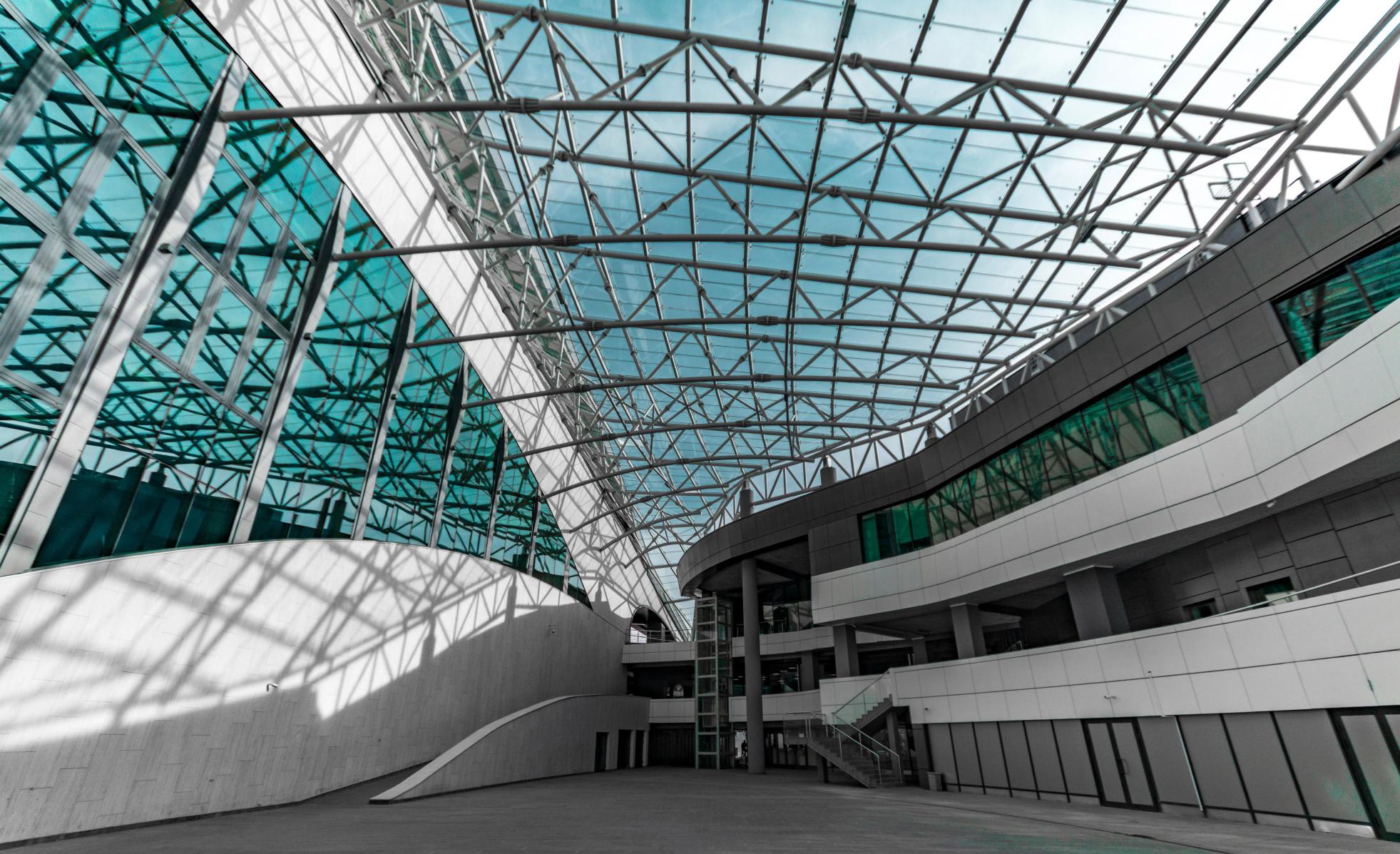
The Singapore architectural and construction glass market is experiencing steady growth, supported by rapid urban development, sustainable building practices, and increasing adoption of advanced glazing technologies. The market reached a value of approximately USD 1.42 billion and is projected to grow at a CAGR of around 5.4%, reaching nearly USD 2.41 billion by the end of the forecast period. Demand is being fueled by commercial high-rise developments, green building initiatives, and investments in modern infrastructure projects across the city-state. Energy-efficient and high-performance glass products are becoming increasingly important in both residential and commercial construction.
Market Drivers Advancing the Singapore Architectural and Construction Glass Growth
Rising Adoption of Energy-Efficient Building Materials
Singapore’s tropical climate has increased the need for energy-efficient buildings that can reduce cooling requirements. Developers are increasingly utilizing low-emissivity (Low-E) glass, double-glazed units, and solar-control glass to enhance thermal insulation and reduce electricity consumption. These solutions improve indoor comfort while supporting sustainability objectives, making advanced architectural glass a preferred choice in modern construction projects.
Growth of Smart Buildings and High-Rise Developments
The growing presence of smart commercial buildings and premium residential towers is significantly boosting demand for innovative glass solutions. Smart glass technologies that automatically regulate heat and light transmission are gaining popularity in office buildings, hotels, and mixed-use developments. Major development hubs such as the Jurong Innovation District and Marina Bay continue to generate demand for high-performance facade glazing systems, supporting long-term market expansion.
Technological Advancements in Glass Processing
Manufacturers are investing in automated tempering, laminating, and CNC-cutting technologies to improve production efficiency and product quality. Advanced manufacturing processes enable the production of customized architectural glass with superior strength, safety, and aesthetic appeal. This technological progress allows suppliers to meet the evolving requirements of Singapore’s modern construction industry while maintaining high precision and performance standards.
Government Initiatives Supporting Singapore Architectural and Construction Glass Industry
Government regulations play a crucial role in shaping Singapore’s architectural glass market. The Building and Construction Authority (BCA) promotes sustainable construction through programs such as the Green Mark Scheme, which encourages energy-efficient building designs. Strict performance requirements related to building envelopes, solar heat gain control, and environmental sustainability have accelerated the adoption of advanced glazing solutions across new commercial and residential developments.
Competitive Landscape of Singapore Architectural and Construction Glass Sector
The market consists of both international and regional manufacturers offering specialized architectural glass products. Competition is centered on product innovation, energy efficiency, customization capabilities, and compliance with stringent building regulations. Leading companies focus on expanding their portfolios of low-emissivity, laminated, tempered, and smart glass solutions to meet the needs of architects, developers, and infrastructure projects. Strategic collaborations and technological investments remain key competitive strategies.
Challenges Impacting Singapore Architectural and Construction Glass Industry
High Production and Installation Costs
Advanced architectural glass products such as smart glass, triple-glazed units, and vacuum-insulated glass involve higher manufacturing and installation costs. These expenses can limit adoption, particularly in projects with strict budget constraints.
Regulatory Compliance Requirements
Manufacturers must continuously adapt to evolving energy-efficiency and sustainability standards. Compliance with rigorous performance regulations often requires ongoing investments in research, development, and certification processes, increasing operational complexity.
Future Outlook
The future of Singapore’s architectural and construction glass market remains highly promising, supported by ongoing urban redevelopment initiatives, green construction practices, and smart city investments. Increasing adoption of energy-efficient glazing solutions, coupled with rising demand for intelligent building technologies, will continue to create opportunities for manufacturers and suppliers. As sustainability regulations become more stringent and construction activity remains robust, advanced glass products are expected to play an increasingly important role in shaping Singapore’s modern urban landscape. Continuous innovation and technological advancement will further strengthen the market’s growth trajectory.
Consultants at Nexdigm, in their latest publication “Singapore Architectural and Construction Glass Market Outlook to 2035 ,” analyze the sector By (BCA Market Data Aggregation, Top-Down Consumption Modeling, Bottom-Up Project Pipeline Analysis, Architectural Firm Expert Interviews, Glass Fabricator Capacity Assessment).
Nexdigm suggests that businesses in the Singapore Architectural and Construction Glass Industry focus on energy-efficient glazing, smart glass technologies, and sustainable building solutions. Aligning with green building regulations and growing demand from modern infrastructure projects can help companies strengthen their market position and capture emerging growth opportunities.
To take the next step, simply visit our Request a Consultation page and share your requirements with us.
Harsh Mittal
+91-8422857704