
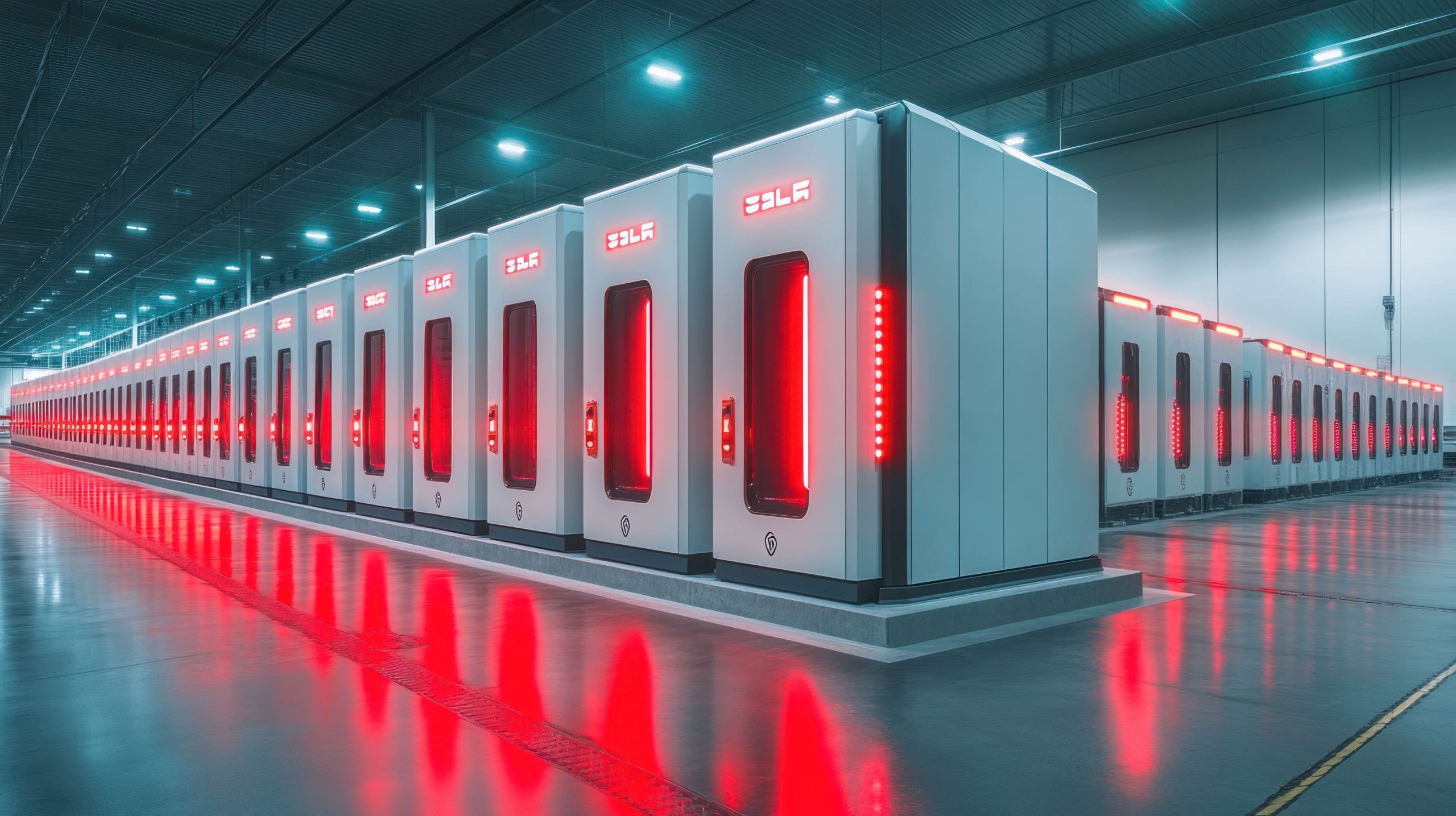
Singapore’s Battery Energy Storage System (BESS) market is moving from pilot stage ambition to real infrastructure deployment. That shift matters. In a country where land is scarce, power reliability is non negotiable, and decarbonization targets are becoming harder to meet with conventional tools alone, battery storage has gone from “nice to have” to essential. By 2026, Singapore has already crossed major milestones in energy storage deployment, while utility scale projects such as the Jurong Island battery system have shown that storage can work at serious scale in a dense urban setting. The logic is fairly straightforward: Singapore cannot build endless renewable capacity within its borders, so it needs flexible systems that can smooth supply, absorb imported clean power, and support a more complex grid. That is where BESS starts to look less like a side technology and more like core infrastructure.
What’s Driving the BESS Market in Singapore?
Solar Expansion and Intermittency Management
Singapore has made decent progress on solar, especially through rooftop installations, industrial buildings, and floating solar projects. Still, solar comes with an obvious problem: it only shows up when the sun does. In practice, that creates a mismatch between generation and demand, especially during evening peak periods when households and businesses are still consuming heavily. Batteries help close that gap. This becomes even more important in a city state where every square meter of energy infrastructure has to justify itself. A battery system that stores excess daytime solar and discharges it later can deliver more practical value than simply adding more panels without flexibility. It is not glamorous, but it is necessary.
Grid Resilience and Ancillary Services Demand
Singapore’s electricity system is built around stability, and that is not something regulators or operators are willing to compromise on. Battery storage is attractive because it responds in milliseconds, which makes it useful for frequency regulation, reserve capacity, and other grid balancing functions that traditional plants handle more slowly. On the ground, this is one of the strongest commercial arguments for BESS. It is not just about storing electricity for later use. It is also about keeping the system steady when supply or demand shifts unexpectedly. As more variable energy sources and electricity imports enter the mix, those balancing services become much more valuable.
Land Scarcity Encouraging High Density Storage Innovation
One interesting feature of the Singapore market is that storage design cannot be copied and pasted from larger countries. There is simply less room to work with. That is forcing developers to think differently about compact systems, vertical layouts, and safer urban deployment models. The Jurong Island project is a good example. It is not just large, it is also designed for space efficiency. That may sound like a technical footnote, but in Singapore it is a real competitive advantage. The companies that solve for density, heat management, and safety will likely have the upper hand.
Government-Led Initiatives
Public policy has played a big role in moving the BESS market forward. Singapore’s Energy Market Authority has supported early deployments through pilot programs, funding support, and testbeds for new storage applications. That has helped reduce some of the uncertainty that usually slows adoption in newer infrastructure categories. There is also a broader policy logic here. Singapore wants more low carbon electricity in its system, including imports from neighboring countries. That sounds promising, but imported electricity still needs balancing once it reaches the grid. Batteries are one of the few practical tools available to do that efficiently. So government backing is not just about innovation, it is about system readiness.
Market Competition
The market is still fairly concentrated. Large infrastructure and utility linked players such as Sembcorp and SP Group remain at the front because they have capital, project access, and regulatory familiarity. That said, the market is not closed. There is growing room for battery integrators, software providers, thermal management specialists, and engineering firms that can solve very specific problems. In a market like Singapore, small technical advantages often matter more than sheer scale. That makes competition more interesting than it looks at first glance.
High Cost and Limited Space
The biggest challenge is not demand. It is economics. Battery projects in Singapore face high installation costs, tight land constraints, and strict fire safety requirements. Those are not minor hurdles. A common challenge is that many projects still need multiple revenue streams to make the numbers work. That means operators often have to combine energy arbitrage with reserve services, peak shaving, or grid support. If one revenue stream weakens, the business case can get shaky. So while the opportunity is real, this is not an easy market to crack.
Singapore Expands BESS Role in Regional Clean Energy Imports
Singapore is increasingly linking its battery storage strategy with cross border renewable electricity imports. Recent developments include large scale solar plus storage projects in Indonesia, including a 900 MW solar and 1.2 GWh battery system planned to supply power to Singapore by 2029. At the same time, new infrastructure plans such as a 670 MW hydrogen ready power plant integrated with battery storage show how storage is becoming part of future generation planning. Together, these developments indicate that BESS will not only support domestic solar integration but also help stabilize imported low carbon electricity in the years ahead.
Future Outlook
By 2035, battery storage will likely be much more embedded in Singapore’s power system than it is today. Not because it is trendy, but because the grid will need it. More imported clean electricity, more distributed solar, and higher power demand from data centers and advanced industry will all put pressure on flexibility. The real story is not just volume growth. It is how storage gets used. Expect more modular systems, tighter integration with digital grid controls, and a stronger push toward batteries that fit industrial sites, substations, and urban energy hubs. Singapore may never be the biggest BESS market in Asia, but it could become one of the most technically sophisticated.
Consultants at Nexdigm, in their latest publication “Singapore Battery Energy Storage System (BESS) Market Outlook to 2035”, analyze the market by Battery Chemistry (Lithium ion, Sodium ion, Flow Batteries, Others), By Application (Utility Scale, Commercial & Industrial, Grid Services, Renewable Integration), and By End User (Utilities, Industrial Facilities, Data Centres, Commercial Buildings). Nexdigm believes that companies entering this market should focus less on headline capacity and more on solving practical deployment constraints such as density, safety, and monetization.
To take the next step, simply visit our Request a Consultation page and share your requirements with us.
Harsh Mittal
+91-8422857704